
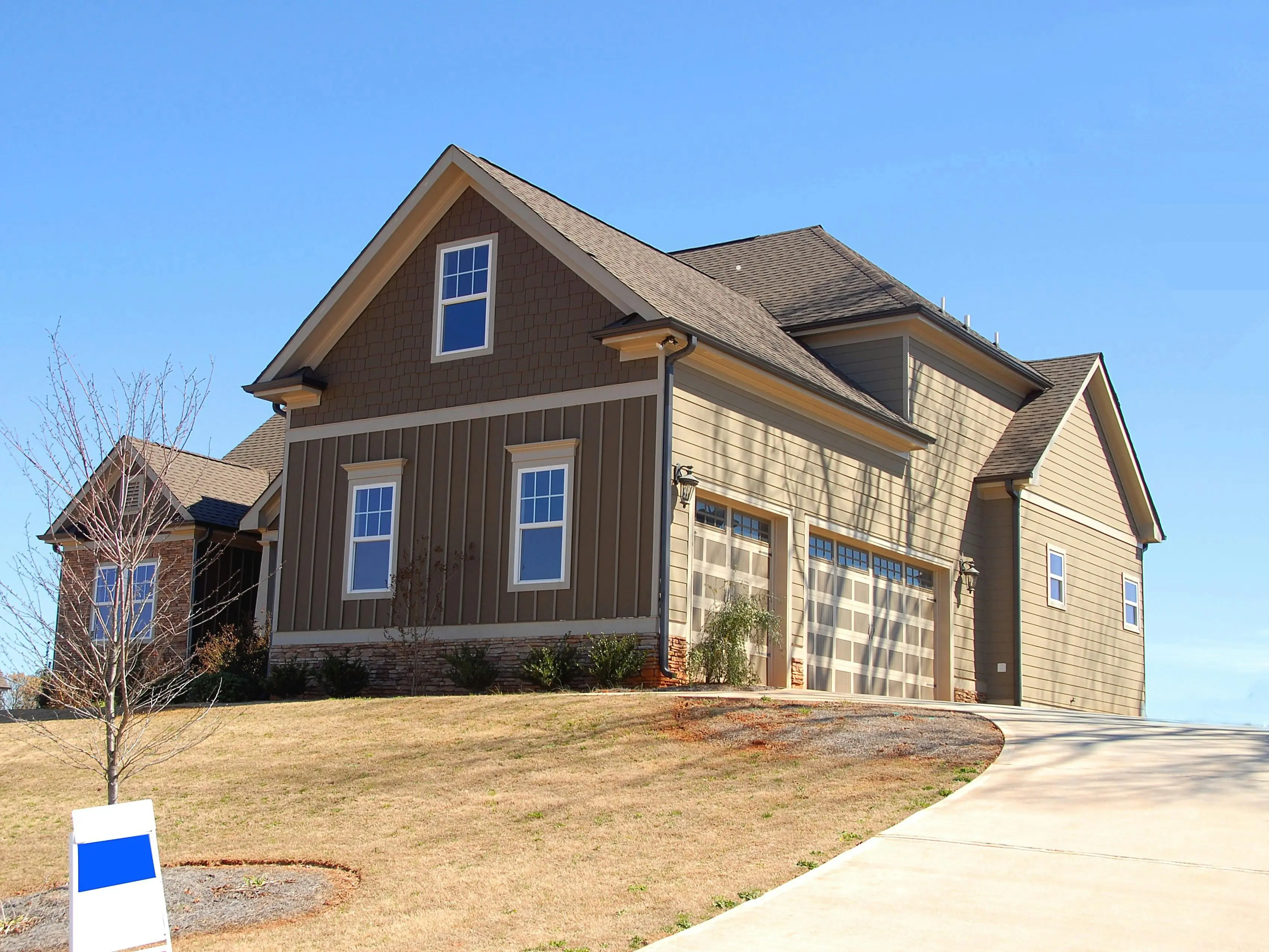
A driveway may seem like a straightforward feature, but it plays a bigger role in road safety than many realize. It’s where vehicles join and leave traffic, much like an intersection. When visibility is blocked, even small movements can become dangerous. Keeping that area clear and easy to see is a practical way to protect yourself and others.
What Are Sight Lines?
Sight lines refer to the distance a driver can clearly see along the roadway from a driveway entrance. Adequate sight distance allows enough time to detect approaching vehicles and react safely. Two key types include:
- Stopping sight distance: The distance needed for a driver to see a hazard and come to a complete stop.
- Intersection sight distance: The distance required to safely enter or cross traffic.
Both are important when designing or evaluating a driveway entrance.
Why Driveway Visibility Matters
Every time a driver pulls out of a driveway onto a public road, two things must happen simultaneously: the exiting driver must be able to see oncoming traffic clearly enough to make a safe decision, and drivers already on the road must be able to see the emerging vehicle in time to slow down or stop if necessary. Poor visibility at these points is a common contributing factor in vehicle accidents, especially on busy or high-speed roads. Driveway entrances function as connection points between private property and public roads. Restricted sight lines can be caused by parked vehicles, fences, walls, or hedges, elevation changes or slopes, or curves in the road. Ensuring clear visibility allows drivers to safely judge gaps in traffic before entering or exiting the driveway.
Recommended Sight Distance Guidelines
Sight distance standards aren’t identical everywhere, but they’re guided by a common set of roadway safety principles. Higher-speed roads require longer sight distances to ensure driver safety, allowing sufficient time to react to oncoming traffic or obstacles. Drivers should have a clear, unobstructed view of traffic in both directions, and any objects within the line of sight should be minimized or removed whenever possible. Local regulations often link sight distance requirements to traffic speed, so reviewing them in advance is a key step.
Common Causes of Poor Driveway Sight Lines
Structural Barriers
Walls, fences, mailboxes, and signage placed too close to the driveway entrance can restrict visibility.
Road Design Factors
Curved roads, hills, and dips can limit how far a driver can see, even if the driveway itself is clear.
Landscaping Obstructions
Overgrown trees, shrubs, and hedges can block views of the road. Even decorative landscaping can become a hazard if not properly maintained.
Improper Driveway Placement
Driveways located too close to intersections or on sharp bends often have reduced sight distance.
How to Improve Driveway Visibility
Trim and Manage Landscaping
Regularly trim vegetation to ensure it does not block the line of sight. Choose low-growing plants near driveway entrances when possible.
Maintain Clear Sight Triangles
A “sight triangle” is an open area on either side of the driveway entrance that must remain free of visual obstructions. Keeping this space clear improves visibility in both directions.
Adjust Driveway Design
If you’re installing a new driveway:
- Avoid placing it near intersections or blind curves
- Position it where the road is straight and visibility is better
- Consider widening the entrance for better maneuverability
Use Mirrors or Warning Aids (When Needed)
In areas with unavoidable visibility limitations, convex mirrors or warning signs may help improve awareness, though they should not replace proper design.
Improve Lighting
Adequate lighting helps visibility during low-light conditions, especially in areas with pedestrian or vehicle traffic at night.
Safety Considerations for High-Traffic Roads
Driveways that connect to busy roads require careful planning and additional safety considerations. Longer sight distances are essential in these areas due to higher vehicle speeds, allowing drivers more time to react to approaching traffic. It is often advisable to consult a professional for proper site planning to ensure the driveway is safely designed and positioned. Beyond that, local regulations regarding driveway permits and placement must be followed, and in some cases, authorities may require specific design modifications to enhance overall safety.
Common Mistakes to Avoid
- Installing tall fences or walls near the entrance
- Ignoring visibility when choosing driveway location
- Failing to account for road speed and traffic volume
- Allowing landscaping to grow into sight lines
- Skipping local safety guidelines and permit requirements
When to Consult a Professional
If your property is located on a curve, hill, or busy roadway, consider consulting:
- A licensed contractor familiar with local codes
- A civil engineer or site planner
- A local transportation or public works department
Professional guidance can help ensure your driveway meets safety standards and avoids future issues.
Key Takeaway
Clear visibility and proper sight lines at driveway entrances are critical for safe driving and accident prevention. By maintaining open sight areas, managing landscaping, and following established safety guidelines, homeowners can significantly reduce risks when entering or exiting their property. Careful planning and regular maintenance will help ensure long-term safety and compliance.
Frequently Asked Questions
In most states, the property owner can be held liable under “premises negligence.” Courts look at whether you knew or should have known the vegetation created a hazard. Regular trimming and compliance with city sight-triangle ordinances are your best defense.
Usually no, unless the tree is in a city right-of-way or protected heritage list. Always check the municipal tree ordinance first; fines for unpertected removal can exceed $1,000 per tree.
Civil code allows you to trim branches up to your property line, but you can’t enter their land without permission. If the hedge is on city property, file a service request; public works will handle it.
At least twice a year—late spring after growth spurts and late fall after storms. If you plant new shrubs, measure again after one full growing season.