
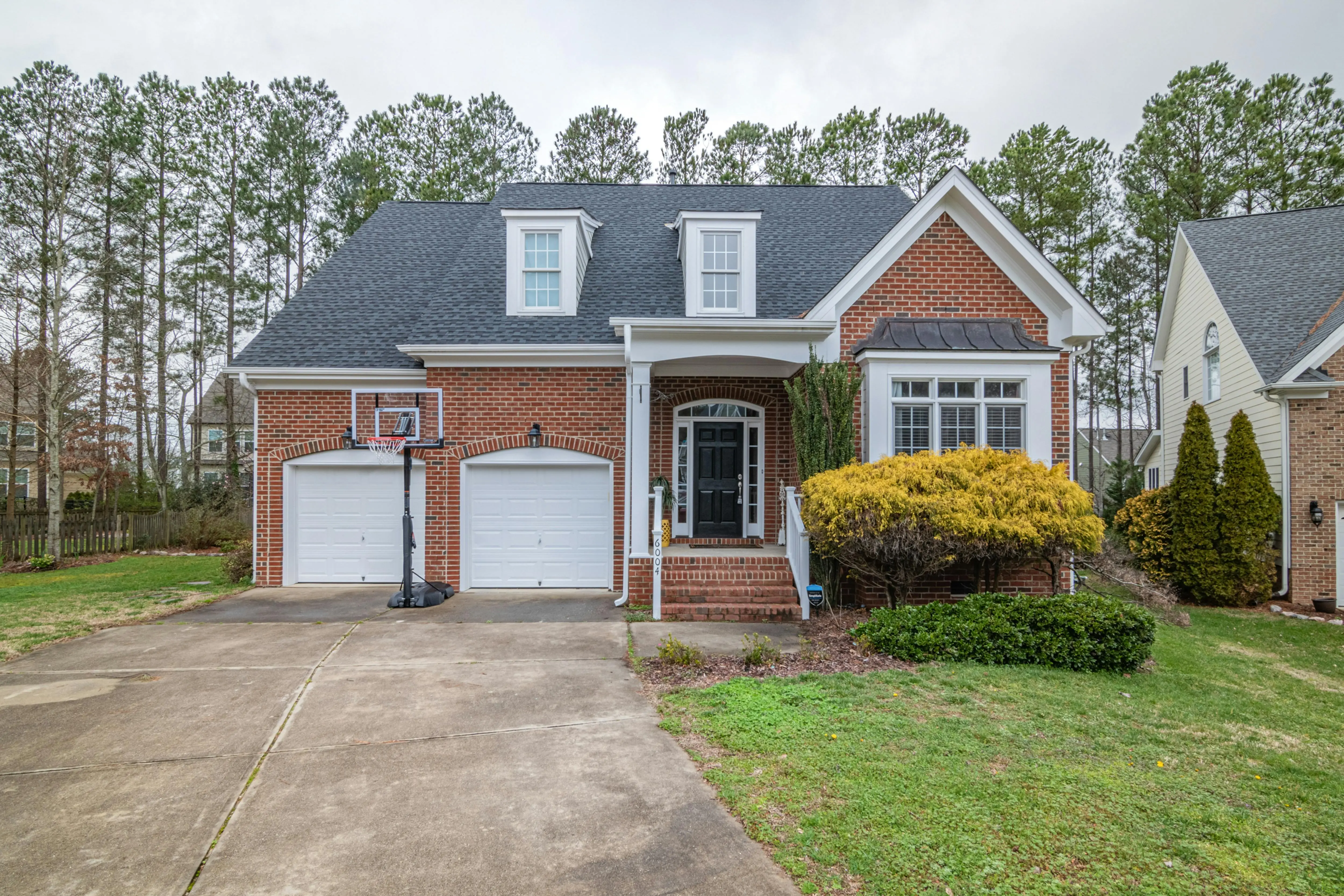
Labor, Materials, and Equipment Overview
Installing a driveway is a significant investment that improves both the functionality and appearance of your property. Whether you're replacing an old driveway or installing a new one, understanding the driveway cost breakdown is essential for planning your budget effectively.
The total cost of a driveway is not just about materials—it also includes labor, equipment, and site preparation. Knowing how these components work together will help you make smarter decisions and avoid unexpected expenses.
What Is the Average Cost of a Driveway?
The cost of a driveway can vary widely depending on factors like material type, size, and location. On average, homeowners can expect to spend anywhere between $3,000 and $15,000, with most projects falling in the range of $5,000 to $10,000. On a per-square-foot basis, driveway installation costs typically range from $3 to $30. This variation largely depends on the material you choose and the complexity of the project.
Key Components of Driveway Costs
A driveway project generally includes three main cost components:
- Equipment and site preparation
- Material costs
- Labor costs
Each of these plays a major role in determining the final price, and understanding them individually gives you better control over your budget.
Material Costs: The Largest Expense
Materials make up the biggest portion of driveway costs. The type of material you choose will influence not only the initial investment but also long-term maintenance and durability.
Common Driveway Materials and Their Costs
Gravel is one of the most affordable options, costing around $3 to $5 per square foot. It is easy to install but requires regular maintenance to keep it in good condition.
Asphalt driveways approximately cost between $7 to $15 per square foot. They are flexible and perform well in colder climates, but they need periodic sealing to maintain their lifespan.
Concrete driveways range from $8 to $20 per square foot. They are known for their durability and low maintenance, often lasting decades with proper care.
Stamped or decorative concrete costs more, usually between $12 and $18 per square foot. It offers enhanced visual appeal with patterns and colors, making it a popular choice for homeowners who prioritize aesthetics.
Paver driveways fall in the range from $10 to $30 per square foot. They provide a high-end look and are relatively easy to repair, but installation is labor-intensive.
Natural stone is the most premium option, costing $20 to $30 per square foot. It delivers a luxurious appearance and exceptional durability but comes with a higher price tag.
Choosing the Right Material
When selecting a driveway material, it’s important to consider more than just cost. Climate, maintenance requirements, lifespan, and visual appeal all play a role. While cheaper materials may save money upfront, higher-quality options often provide better long-term value.
Labor Costs for Driveway Installation
Labor is the second-largest contributor to driveway costs, typically accounting for 30% to 50% of the total project cost. The average cost for labor is approximately $3.50 to $11 per square foot, depending on the project scope and local factors.
What Labor Costs Include
Driveway installation involves several steps, all of which are included in labor costs. These typically include excavation, grading, base preparation, material installation, finishing, and cleanup. Each step is crucial to ensuring the driveway is durable and long-lasting. Poor workmanship can lead to issues like cracking, uneven surfaces, and drainage problems.
Factors That Affect Labor Costs
Several factors can influence how much you pay for labor:
- Site accessibility
- The size and thickness of the driveway
- Design complexity
- Local labor rates
For example, a simple rectangular driveway will cost less to install than one with curves, slopes, or decorative elements.
Equipment and Site Preparation Costs
Equipment and site preparation are often overlooked, but they are essential for a successful driveway installation. Without proper preparation, even the best materials can fail over time.
What Site Preparation Involves
Before installation begins, the site must be properly prepared. This process includes removing any existing driveway, leveling the ground, and creating a stable base layer. A strong base is critical for preventing issues like sinking, cracking, and water damage.
Equipment Used in Driveway Installation
Contractors use a variety of equipment during the installation process, including excavators, skid steers, dump trucks, and compactors. These machines help ensure efficiency and precision.
Cost Impact of Preparation and Equipment
Site preparation can add around $1 to $2 per square foot to the total cost, depending on soil conditions and project complexity. Poor soil or drainage issues may require additional work, increasing the overall expense.
Additional Factors That Influence Driveway Costs
Beyond materials, labor, and equipment, several other factors can affect the final cost of your driveway.
Driveway Size and Layout
Larger driveways require more materials and labor, which increases costs. Complex shapes or designs may also add to the expense due to additional cutting and installation time.
Permits and Local Regulations
In certain locations, a permit is required for driveway installation, costing approximately $50 to $200 depending on local authorities.
Drainage Solutions
Proper drainage is essential to protect your driveway from water damage. Basic drainage solutions may cost a few hundred dollars, while more advanced systems can significantly increase the total price.
Decorative Features
Adding decorative elements such as stamped patterns, colored finishes, or borders can enhance the appearance of your driveway but will also increase costs.
Long-Term Cost vs Initial Investment
When evaluating driveway costs, it’s important to think beyond the initial price. Some materials may be cheaper upfront but require more maintenance over time.
For example, gravel driveways are affordable initially but need frequent upkeep. Concrete and pavers, on the other hand, cost more initially but offer durability and lower maintenance in the long run. Taking a long-term view can help you choose a driveway option that provides the best overall value.
Tips to Save Money on Driveway Installation
If you want to reduce costs without compromising quality, consider these practical tips:
- Schedule your project during the off-season
- Choose simpler designs over complex layouts
- Avoid unnecessary decorative features
- Plan everything in advance to avoid costly changes
- Get multiple quotes from contractors
Making informed decisions at each stage of the project can help you stay within budget while still achieving a high-quality result.
Understanding the Complete Driveway Cost Breakdown
A driveway installation involves more than just pouring concrete or laying asphalt. It’s a combination of materials, labor, and proper site preparation, all of which contribute to the final cost. By understanding the complete driveway cost breakdown, you can plan your project more effectively, avoid hidden expenses, and make choices that suit both your budget and long-term needs. With proper materials and expert workmanship, your driveway can achieve both aesthetic appeal and lasting strength.
Frequently Asked Questions
Gravel is the lowest up-front cost at $1.50–$3.50 per sq ft installed. Factor in annual re-grading ($200–$400) and you’ll still spend less than asphalt or concrete over a 10-year span—provided you don’t mind the rustic look and occasional ruts.
DIY saves 40-50 % on labor, but you’ll rent $800–$1,500 worth of equipment and assume risk of improper base or drainage. Gravel and small paver patios are doable; asphalt and concrete require experienced crews for smooth, durable results.
Thickness must match expected load. Standard passenger cars need 4 in. of concrete or 3 in. of asphalt; heavier trucks or RVs need 6 in. Going thicker without improving the base is wasted money. Invest in a well-compacted gravel foundation first.
Wait 90 days minimum so oils evaporate and the surface oxidizes. Sealing too early traps solvents, causing permanent softness. In most climates, the first sealcoat should go on the summer after installation, then every 3–5 years.