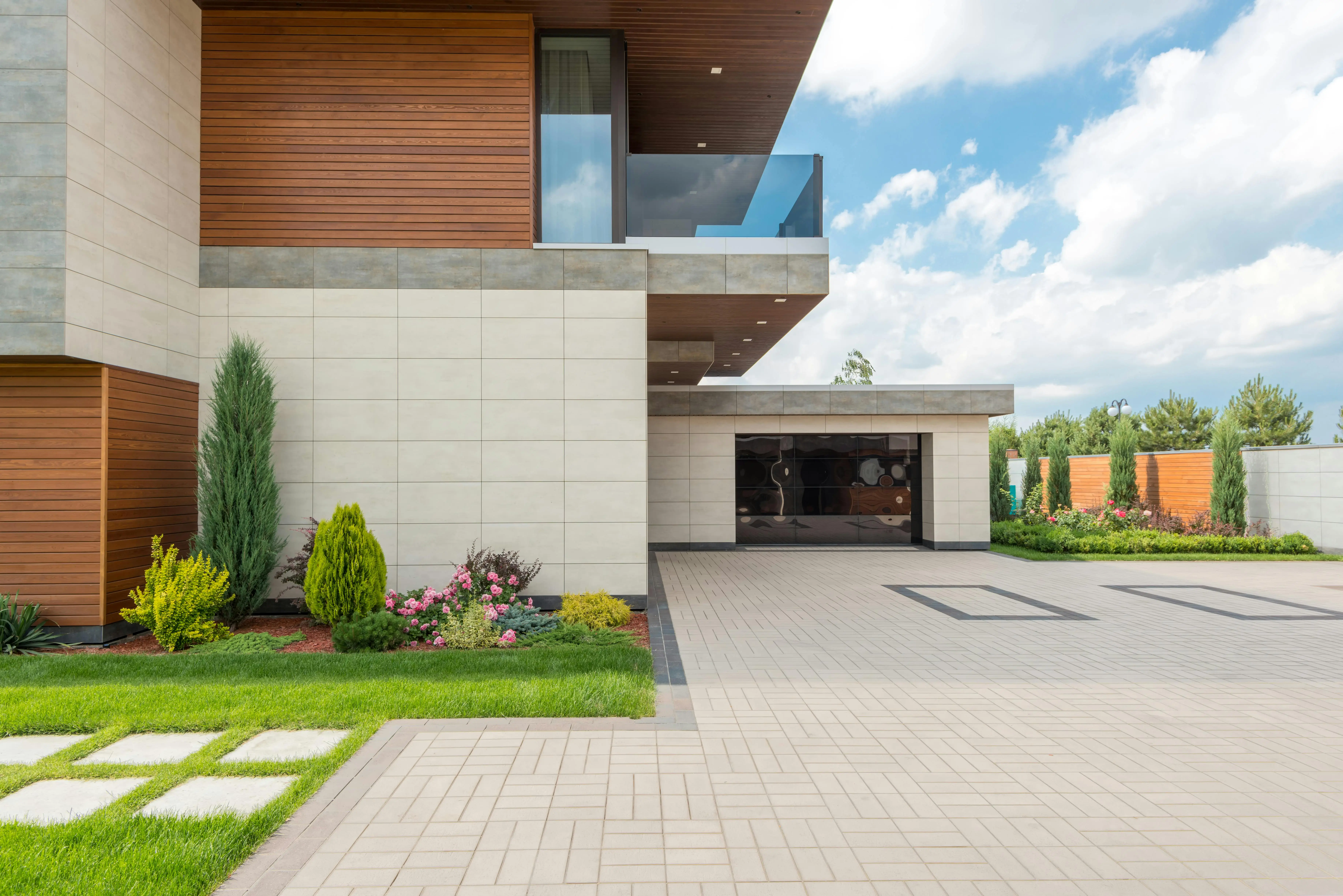
Driveway Basics
A driveway is more than just a place to park your vehicle, it plays a major role in your home’s functionality, curb appeal, and long-term value. Whether you’re installing a new driveway or upgrading an existing one, understanding driveway types, costs, and lifespan will help you make a smart and lasting decision.
Why Your Driveway Choice Matters
Selecting the right driveway material is crucial because it directly affects how long your driveway lasts and how much you’ll spend on maintenance over time. A well-chosen driveway can withstand weather conditions, support heavy vehicles, and maintain its appearance for years. When comparing driveway options, keep these factors in mind:
- Daily usage and traffic load
- Your budget for installation and maintenance
- Climate and weather patterns
- The overall look you want to achieve
- Drainage and soil conditions
Making the right choice early can save you from costly repairs and replacements later.
Concrete Driveways: Durable and Long-Lasting
Concrete is one of the most popular driveway materials due to its strength and clean appearance. It’s a reliable option for homeowners who want a long-term solution with minimal upkeep.
Cost and Lifespan of Concrete Driveways
Concrete driveways approximately cost between $4 and $15 per square foot, depending on design and finish. With proper care, they can last 25 to 30 years or even longer.
Benefits of Concrete Driveways
Concrete offers several advantages that make it a top choice:
- Strong and capable of handling heavy loads
- Long lifespan compared to many other materials
- Low maintenance requirements
- Customizable with stamping, coloring, or textures
- Performs well in warmer climates
Drawbacks to Consider
Despite its benefits, concrete does have a few limitations. It can crack in areas with frequent freeze-thaw cycles, and repairs may be more noticeable compared to other materials.
Asphalt Driveways: Affordable and Practical
Asphalt is a cost-effective driveway material widely used for residential properties. It is especially popular in colder climates due to its flexibility.
Cost and Lifespan of Asphalt Driveways
Asphalt driveways generally cost between $3 and $7 per square foot. They typically last around 15 to 20 years with regular maintenance.
Advantages of Asphalt
Many homeowners choose asphalt for its affordability and ease of installation. Key benefits include:
- Lower upfront cost than concrete
- Quick installation process
- Smooth surface ideal for driving
- Better performance in cold weather conditions
Maintenance and Limitations
Asphalt requires sealing every few years to maintain its condition. It can also soften in extreme heat and doesn’t offer as many design options as other materials.
Gravel Driveways: Budget-Friendly and Functional
Gravel driveways are one of the most affordable driveway solutions available. They are commonly used in rural areas or for long driveways where cost is a major concern.
Cost and Lifespan of Gravel Driveways
Gravel typically costs between $1 and $3 per square foot, making it the most economical option. With proper maintenance, the base can last indefinitely, although the surface needs regular replenishment.
Benefits of Gravel Driveways
Gravel offers several practical advantages:
- Very low installation cost
- Excellent drainage, reducing water buildup
- Quick and simple installation
Maintenance Challenges
Gravel requires ongoing upkeep, including leveling and adding new material over time. It may also shift under heavy use and is not ideal for high-traffic urban settings.
How to Choose the Best Driveway Material
Choosing the right driveway depends on balancing your budget, aesthetic preferences, and environmental conditions. There is no one-size-fits-all solution, but understanding your priorities will help narrow down your options.
Budget Considerations
If you are working with a tight budget, gravel is the most affordable option. Asphalt offers a balance between cost and durability, while concrete provides long-term value. Pavers, although expensive, deliver premium aesthetics and longevity.
Climate and Weather Impact
Climate plays a major role in driveway performance. Asphalt is better suited for colder regions because it can expand and contract without cracking. Concrete performs well in warmer climates, while gravel is ideal for areas with heavy rainfall due to its natural drainage capabilities.
Usage and Traffic
Think about how often your driveway will be used and the types of vehicles it will support. Heavier vehicles and frequent use require stronger materials like concrete or pavers.
Factors That Affect Driveway Lifespan
Even the best driveway material won’t last if it’s poorly installed or neglected. Several factors influence how long your driveway will perform effectively:
- Quality of the foundation and base preparation
- Proper drainage to prevent water damage
- Regular maintenance, such as sealing or repairs
- Exposure to weather conditions and temperature changes
Investing in proper installation and maintenance can significantly extend the life of your driveway.
Final Thoughts on Driveway Types, Costs, and Lifespan
Understanding driveway basics, including types, costs, and lifespan, helps you make a more informed decision for your home. Each material has its own strengths and trade-offs, so the right choice depends on your specific needs. Concrete offers durability, asphalt provides affordability, pavers deliver premium style, and gravel remains the most budget-friendly option.
By carefully evaluating your priorities, you can choose a driveway that not only looks great but also stands the test of time. A well-planned driveway is an investment that enhances both the function and value of your property for years to come.
Frequently Asked Questions
Gravel is the most affordable driveway material, costing $1-$3 per square foot installed. However, it requires the most ongoing maintenance.
Paver driveways have the longest potential lifespan at 25-50+ years. A properly maintained gravel driveway base can last 100+ years.
Paver driveways typically add the most value due to their premium appearance, durability, and curb appeal. A new driveway can increase home value by 5-10%.