
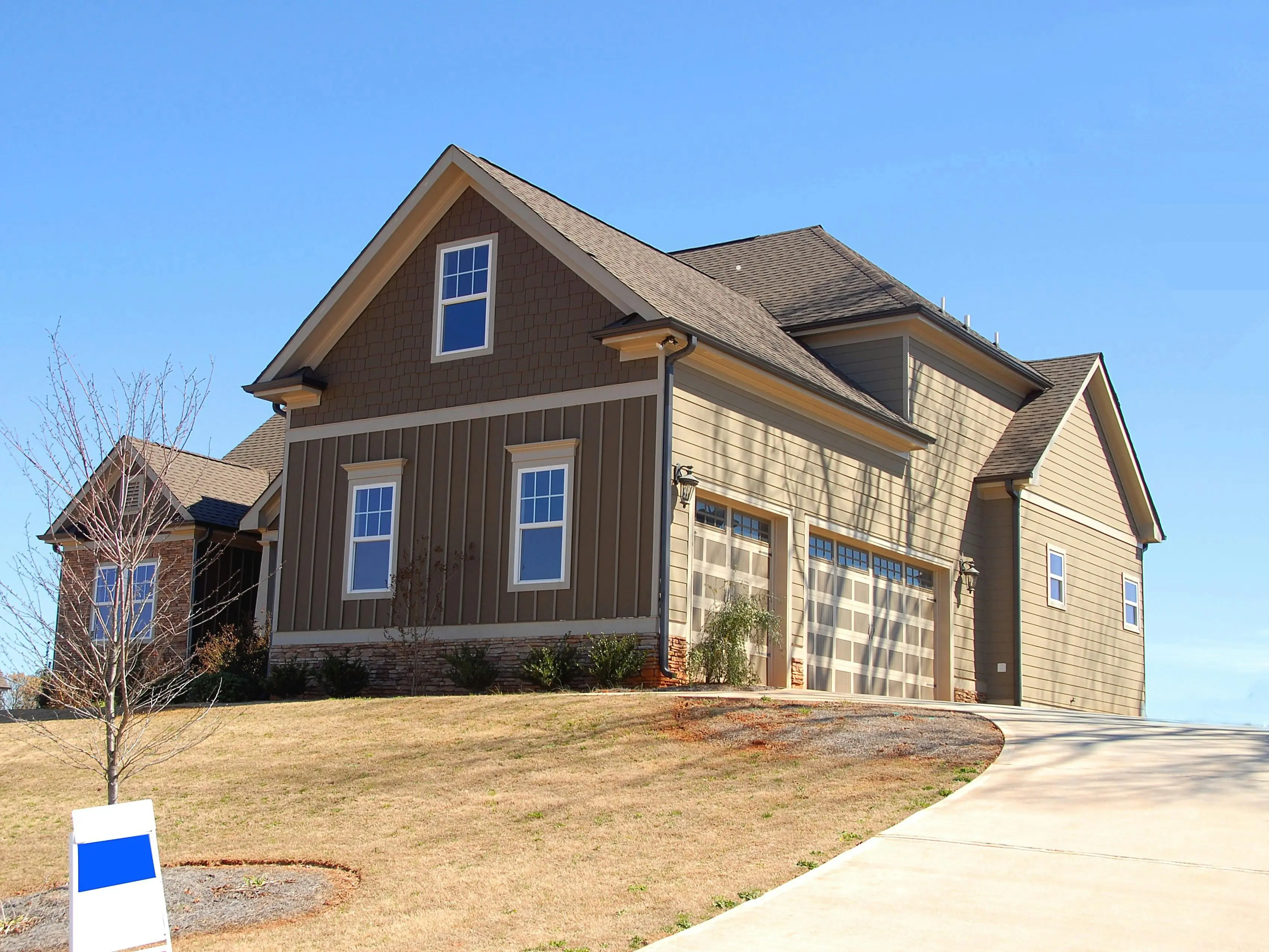
When planning a new driveway or expanding an existing one, understanding impervious surface limits and driveways is critical. These regulations directly affect how much of your property you can pave, what materials you can use, and whether your project will be approved. Ignoring them can lead to fines, delays, or even forced removal of your driveway.
What Are Impervious Surface Limits?
Impervious surface limits are regulations that determine how much of your property can be covered with non-permeable materials. Because these surfaces block water absorption, they can lead to higher runoff and flooding risks.
Common Examples of Impervious Surfaces
- Asphalt paving
- Concrete driveways
- Rooftops
- Sidewalks and walkways
- Stone or brick patios
Because driveways can take up a significant portion of your lot, they are one of the biggest contributors to impervious surface coverage.
Why Impervious Surface Limits Matter
Local governments enforce these limits to prevent flooding and erosion, reduce stormwater runoff, protect the groundwater supply, and maintain overall environmental balance. For homeowners, exceeding these limits can lead to permit denial or result in costly penalties.
How Impervious Surface Coverage Is Calculated
Understanding how to calculate your impervious surface coverage is essential before starting any driveway project.
Basic Calculation Formula
To determine your coverage, use this formula:
(Total Impervious Area ÷ Total Lot Area) × 100
For example, if your lot is 10,000 square feet and your impervious surfaces total 3,500 square feet, your coverage is 35%.
Typical Residential Limits
Most residential areas allow between 30% and 45% impervious coverage, although this can vary depending on zoning laws and environmental restrictions.
What Is Included in the Calculation?
The following surfaces are typically counted:
- Driveways and parking areas
- Roof structures
- Patios and decks
- Pools and surrounding surfaces
Some municipalities may give partial credit for permeable materials, but this depends on local regulations.
Measuring Your Driveway and Property Accurately
Accurate measurements are key to avoiding compliance issues during the permit process.
Tools You Will Need
- Measuring tape or laser distance tool
- Property survey or layout plan
- Calculator
Step-by-Step Measurement Process
- Measure the length and width of each impervious surface
- Calculate the square footage of each area
- Add all impervious surface areas together
- Divide by your total lot size
- Multiply by 100 to find your coverage percentage
This calculation helps you determine how much additional driveway area you can build.
Best Driveway Materials and Their Impact on Impervious Limits
Choosing the right material is crucial when dealing with impervious surface restrictions.
Fully Impervious Materials
These materials count as 100% impervious:
- Traditional asphalt
- Standard concrete
- Mortared stone or brick
They are durable but offer no water absorption benefits.
Semi-Permeable and Permeable Options
Some materials reduce your impervious coverage calculation:
- Pervious concrete
- Permeable pavers (partial credit)
- Porous asphalt
These materials allow water to drain through, making them ideal for eco-friendly driveway designs.
Grass and Grid Systems
Reinforced grass systems and grid pavers may count as partially impervious, depending on installation quality and maintenance. They are best suited for light-use areas.
Eco-Friendly Driveway Solutions to Reduce Impervious Coverage
If your property is close to its impervious limit, switching to permeable driveway solutions can make a big difference.
- Pervious Concrete Driveways: Pervious concrete allows water to pass through small voids, reducing runoff. It is durable and ideal for modern residential driveways.
- Porous Asphalt Driveways: This material looks like traditional asphalt but allows water infiltration. It is slightly more expensive but offers environmental benefits.
- Permeable Paver Driveways: These interlocking pavers create gaps for water drainage. They are visually appealing and highly customizable.
- Reinforced Turf Driveways: Grass-based systems blend with landscaping and are perfect for low-traffic or overflow parking areas.
Driveway Permits and Local Regulations
Before installing or expanding a driveway, most municipalities require a permit.
What You Need for Approval
- Property site plan
- Impervious surface calculations
- Drainage or stormwater management plan
- HOA approval (if applicable)
Approval Timeline
Permit approvals typically take one to two weeks, depending on your location and the complexity of your project.
Common Reasons for Permit Rejection
- Exceeding impervious surface limits
- Poor drainage planning
- Building too close to protected areas
Planning ahead and submitting accurate calculations can help avoid delays.
Smart Design Strategies to Stay Within Impervious Limits
Design plays a crucial role in managing your impervious surface coverage.
- Reduce Driveway Size: Consider narrower driveways or two-track designs instead of full-width paving.
- Combine Materials: Use a mix of traditional and permeable materials to balance durability and compliance.
- Reuse Existing Space: Removing unused patios or walkways can free up allowable coverage for your driveway.
- Optimize Layout: Efficient driveway layouts can reduce total paved area while maintaining functionality.
Cost Comparison of Driveway Materials
Understanding costs helps you choose the best option for your budget and compliance needs. For a full breakdown, see our guide on driveway cost factors.
- Asphalt driveways are generally the most affordable option, making them popular for budget-conscious homeowners.
- Concrete driveways cost more but offer durability and a clean, modern look.
- Porous asphalt falls slightly above traditional asphalt in price due to its drainage benefits.
- Pervious concrete is more expensive but provides excellent water management and long-term value.
- Permeable pavers are typically the most expensive option, but they offer premium aesthetics and strong environmental advantages.
Long-Term Value
Although permeable materials may have higher upfront costs, they can:
- Lower maintenance costs
- Reduce drainage expenses
- Increase property value
What Happens If You Exceed Impervious Surface Limits?
Ignoring regulations can lead to serious consequences.
How Violations Are Identified
- Satellite imaging
- Local inspections
- Public complaints
Possible Penalties
- Daily fines
- Permit revocation
- Mandatory removal of excess pavement
In some cases, fines can accumulate quickly, making compliance essential.
Pre-Construction Checklist for Driveways
Before starting your project, follow this checklist:
- Review local zoning laws
- Measure all existing surfaces
- Calculate impervious coverage
- Choose suitable driveway materials
- Apply for necessary permits
- Consult with professionals if needed
Plan Smart for a Compliant Driveway
Understanding impervious surface limits and driveway regulations is essential for any homeowner planning a paving project. These rules are designed to protect the environment while ensuring proper drainage and urban planning. By calculating your coverage, choosing the right materials, and designing efficiently, you can create a driveway that is:
- Fully compliant with local regulations
- Environmentally friendly
- Cost-effective in the long run
Careful planning today will save you time, money, and stress, while helping you build a driveway that lasts for years to come.
Frequently Asked Questions
Yes. The square footage of any attached garage counts toward the limit because the roof and slab are impervious. Detached accessory garages under 200 sf are sometimes exempt, but check your local code to be sure.
No. “Urbanite” or chunked concrete still counts as 100 % impervious unless it’s spaced with at least 2-inch gaps filled with gravel and vegetated soil, and even then most inspectors will not grant credit without an engineer’s infiltration test.
When installed over a properly sized stone base (12–18 inches in cold zones), pervious concrete and porous asphalt perform as well as conventional pavements. The key is vacuuming debris each spring so the voids stay open and water can drain before it freezes.
Look for companies certified by the Interlocking Concrete Pavement Institute (ICPI) or the National Ready Mixed Concrete Association’s Pervious Concrete Contractor program. Ask for local references and verify they have completed projects within your city’s limits in the past two years.