
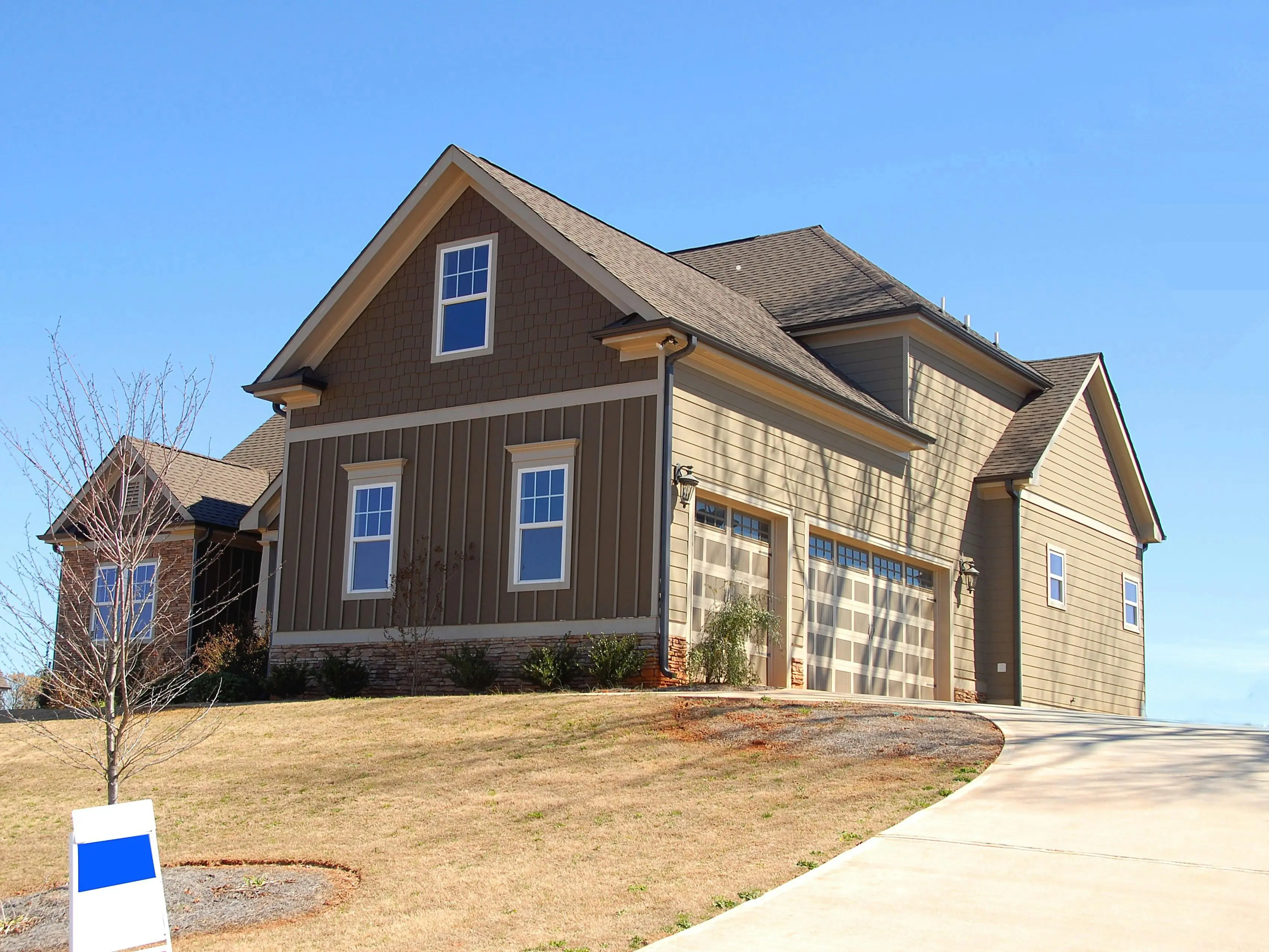
Buying your first home is a major milestone and while you may focus on interiors and landscaping, your driveway is just as important. A well-planned driveway enhances curb appeal, property value, and functionality, making it a critical part of your home.
Why Your Driveway Is an Essential Investment
Many homeowners overlook the importance of a driveway, but it plays a vital role in both aesthetics and performance.
Key Benefits of a Well-Designed Driveway
- Prevents water damage and drainage issues
- Provides safe and smooth vehicle access
- Improves overall curb appeal
- Increases property value
A poorly constructed driveway can lead to costly repairs, making it essential to plan correctly from the start. For a big-picture comparison of surfaces, see our concrete vs asphalt vs gravel overview.
Assessing Your Existing Driveway Condition
Before installing a new driveway or upgrading an existing one, evaluate its current condition.
What to Look For
- Surface cracks and potholes
- Water pooling or drainage problems
- Uneven or sinking areas
- Signs of wear due to age
If the base structure is still intact, you might only need driveway resurfacing or repairs, which can save money compared to a full replacement.
Choosing the Right Driveway Material
Selecting the best driveway material is one of the most important decisions for homeowners. Your choice will affect cost, durability, maintenance, and appearance.
Popular Driveway Materials for Homes
Asphalt Driveways
- Cost-effective and quick installation
- Smooth finish suitable for most climates
- Requires sealing every few years
Concrete Driveways
- Long-lasting and highly durable
- Minimal maintenance required
- Higher initial installation cost
Gravel Driveways
- Budget-friendly and easy to install
- Ideal for rural or large properties
- Needs regular leveling and upkeep
Paver Driveways
- Easy to repair individual sections
- Premium look with customizable designs
- Higher cost but excellent visual appeal
How to Choose the Best Option
Consider factors like budget, weather conditions, traffic load, and long-term maintenance when selecting your driveway material. Our driveway basics: types, costs & lifespan guide goes deeper on tradeoffs.
Planning Your Driveway Layout and Design
A driveway isn’t just about materials, it’s also about smart design. Proper planning ensures convenience, safety, and efficient use of space.
Important Design Considerations
- Driveway width and length
- Turning space and accessibility
- Number of vehicles to accommodate
- Slope and elevation
- Integration with landscaping
A functional layout improves daily usability while enhancing your home’s exterior.
Importance of Proper Driveway Drainage
Drainage is one of the most critical aspects of driveway construction. Without proper drainage, even the best materials can fail.
Problems Caused by Poor Drainage
- Cracks and structural damage
- Water pooling near the foundation
- Soil erosion and instability
Effective Drainage Solutions
- Sloping the driveway away from the house
- Installing trench drains or French drains
- Using permeable paving materials
Proper drainage extends the lifespan of your driveway and protects your home. For common fixes, read driveway drainage problems: causes and fixes.
Understanding Driveway Installation Costs
Driveway costs can vary significantly depending on several factors.
Key Cost Factors
- Type of material used
- Size and thickness of the driveway
- Site preparation and grading
- Labor and contractor fees
- Permits and local regulations
Budgeting Tips for First-Time Homeowners
- Always get multiple quotes
- Plan for maintenance costs
- Avoid choosing materials based only on price
Investing wisely upfront can save you money in the long run. See driveway cost breakdown: labor, materials, and equipment for line-item context.
DIY vs Professional Driveway Installation
Deciding whether to install your driveway yourself or hire professionals is a crucial step.
DIY Installation
Advantages:
- Lower upfront cost
- Full control over the project
Disadvantages:
- Requires skill and experience
- Time-consuming
- Higher risk of mistakes
Hiring a Professional Contractor
Advantages:
- High-quality workmanship
- Faster and more efficient
- Proper tools and expertise
Disadvantages:
- Higher initial cost
For most first-time homeowners, hiring a professional ensures better durability and long-term performance.
Checking Permits and Local Regulations
Before starting your driveway project, make sure to check local building codes and permit requirements.
When You May Need a Permit
- Expanding or modifying an existing one
- Installing a new driveway
- Making drainage changes
Ignoring regulations can result in fines, delays, or forced modifications.
Driveway Maintenance Tips for Long-Term Durability
Proper maintenance is essential to keep your driveway in top condition.
Maintenance by Material
- Asphalt: Seal every 2-3 years
- Concrete: Clean regularly and reseal when needed
- Gravel: Replenish and level periodically
- Pavers: Replace damaged units and manage weeds
Routine maintenance helps extend lifespan and maintain appearance.
Common Driveway Mistakes to Avoid
First-time homeowners often make mistakes that can lead to expensive repairs.
Avoid These Common Errors
- Choosing the cheapest material without research
- Ignoring drainage planning
- Skipping proper base preparation
- Hiring inexperienced contractors
- Overlooking long-term maintenance
Being aware of these pitfalls can help you make smarter decisions.
Planning for Future Driveway Needs
Your driveway should not only meet your current needs but also future requirements.
Think Ahead About:
- Additional parking space
- Electric vehicle charging setup
- Landscaping upgrades
- Property resale value
A future-ready driveway adds long-term convenience and value.
Key Takeaway: Build a Driveway That Lasts
For first-time homeowners, planning a driveway may seem overwhelming but with the right approach, it becomes manageable. Focus on:
- Designing for functionality
- Choosing the right materials
- Ensuring proper drainage
- Hiring skilled professionals
A well-built driveway enhances your home’s appearance, improves usability, and increases property value for years to come.
FAQ: First-Time Homeowner Driveway Questions
Wait 48–72 hours for passenger cars, 5–7 days for heavier trucks. Hot weather softens asphalt; if temps exceed 90 °F, give it an extra day. When in doubt, walk on it—if your heel leaves an imprint, it’s still too soft.
Only if the slab is in excellent condition—no major cracks or settling. A bonding mortar or thin overlay base is required, raising the surface 2–3 inches. Check garage door clearance and local frost-heave codes first; most pros recommend removing the old concrete for a longer-lasting job.
Those are efflorescence—mineral salts leaching to the surface as water evaporates. They’re harmless and fade within 6–12 months. Gentle washing with a 50/50 vinegar-water mix speeds up removal; avoid strong acids that etch the surface.
Yes, if the driveway is clean, crack-free, and temperatures stay 50–85 °F for 24 hours. Buy a rubber squeegee, not a paint roller, and work in 4 × 4 ft sections. One 5-gallon pail covers ~350 sq ft; most homeowners spend $150 in materials vs. $400–$600 hiring out. Wear old shoes—sealer doesn’t come off easily.