
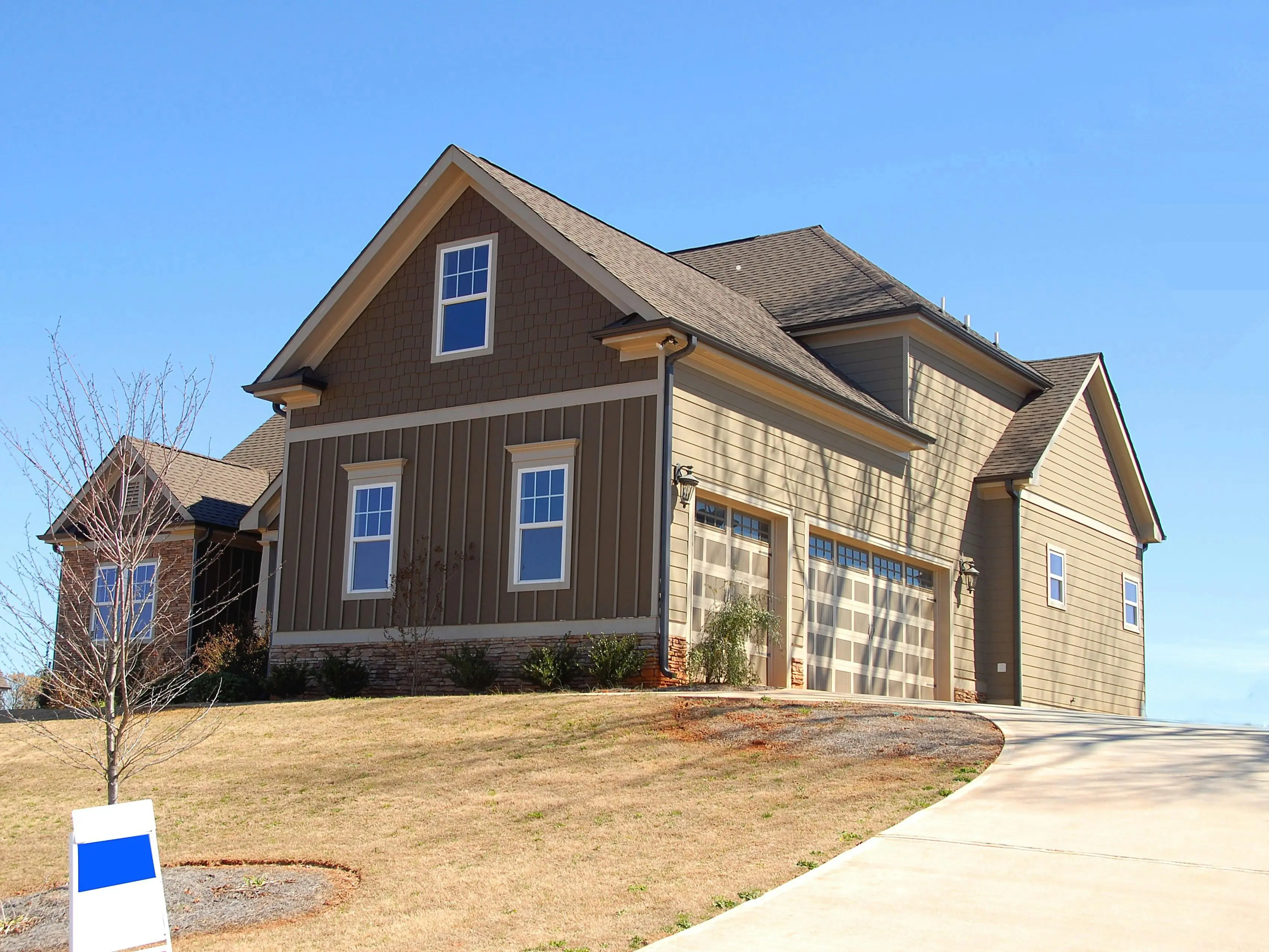
Driveway easements can create unexpected challenges for homeowners, especially when it comes to property rights, maintenance responsibilities, and neighbor relationships. Whether you are buying a property, planning a driveway installation, or dealing with an existing dispute, understanding easement issues affecting driveways is essential.
What Is a Driveway Easement?
A driveway easement is a legal agreement that grants someone the right to use a portion of another person’s property for access purposes. Most commonly, these easements allow vehicles to pass through a driveway to reach another property.
Even though you may own the land, the easement holder has a legal right to use it under specific conditions. These rights are typically documented in property deeds or title records and remain in place even when ownership changes.
Types of Driveway Easements You Should Know
Understanding the different types of easements can help you identify how they impact your driveway and property usage.
Utility Easements
Utility companies may have easement rights that allow them to install or maintain infrastructure like water lines, gas pipes, or electrical cables beneath or near your driveway.
Access Easements (Ingress and Egress)
These are the most common types of driveway easements. They allow individuals, usually neighbors, to enter and exit their property through your driveway.
Shared Driveway Easements
A shared driveway easement occurs when two or more property owners use the same driveway. This setup is common in residential neighborhoods where space is limited.
Common Easement Issues Affecting Driveways
Driveway easements can lead to a variety of legal and practical problems if not clearly understood.
Limited Property Rights and Usage
One of the most significant drawbacks of a driveway easement is the restriction it places on how you can use your property. You may not be allowed to:
- Install gates that block access
- Build structures over the easement area
- Park vehicles in a way that restricts usage
- Modify the driveway without approval
These limitations can interfere with landscaping plans and property improvements.
Disputes Over Maintenance Responsibilities
Maintenance is one of the most common sources of conflict in shared or access driveway easements. Issues often arise due to unclear agreements about:
- How costs are divided
- Who is responsible for repairs
- Who handles routine maintenance like cleaning or snow removal
Without a written agreement, these responsibilities can quickly become a point of tension.
Misuse or Overuse of Easement Rights
Easement holders are only allowed to use the driveway for its intended purpose. Problems occur when they exceed these rights, such as:
- Parking vehicles on the driveway
- Using the space for commercial activities
- Blocking access for the property owner
Such misuse can lead to disputes and may require legal intervention if unresolved.
Obstruction of Access
Blocking a driveway easement even temporarily can violate legal agreements. Obstructions like parked cars, construction materials, or gates can create serious issues and inconvenience. Ensuring clear and continuous access is typically a legal obligation for both parties.
Impact on Property Value
Easement issues affecting driveways can influence the value of your property in several ways:
- Buyers may see shared access as a disadvantage
- Restrictions on usage can reduce appeal
- On the positive side, easements can improve access to otherwise hard-to-reach properties
Understanding these factors is crucial when buying or selling a home. For related planning topics, see our driveway basics: types, costs & lifespan guide.
Legal Aspects of Driveway Easements
Driveway easements are legally binding, and failing to comply with their terms can result in legal disputes.
Review Property Documents Carefully
Before purchasing or modifying a property, review key documents such as:
- Property deeds
- Title reports
- Land surveys
These documents outline the exact location, size, and terms of the easement.
Understand Local Regulations
Local laws and zoning regulations may impact driveway easements, including:
- Minimum driveway width requirements
- Emergency vehicle access rules
- Restrictions on modifications
Consulting a legal professional or local authority can help ensure compliance.
Importance of Written Agreements
If a driveway is shared, a written agreement should clearly define:
- Usage rights
- Maintenance responsibilities
- Cost-sharing arrangements
Having everything documented helps prevent misunderstandings and protects all parties involved.
How to Prevent Driveway Easement Disputes
Taking proactive steps can help avoid conflicts related to driveway easements.
Communicate Clearly with Neighbors
Open communication ensures that everyone understands their rights and responsibilities, reducing the risk of disputes.
Mark Easement Boundaries
Clearly marking the easement area using physical markers, paint, or landscaping can help prevent accidental misuse.
Establish a Maintenance Plan
A simple maintenance agreement can outline:
- Repair schedules
- Cost-sharing methods
- Routine upkeep responsibilities
This helps maintain the driveway and avoids future disagreements.
Avoid Unauthorized Changes
Before making any modifications to your driveway, ensure that they comply with the easement agreement. Seek permission if necessary to avoid legal complications.
What to Do If You Face Easement Issues
If you encounter problems related to driveway easements, follow these steps:
- Review the Agreement: Check the easement terms to understand your rights and obligations.
- Attempt Direct Communication: Discuss the issue with the other party and try to resolve it amicably.
- Seek Professional Advice: Consult a real estate attorney or mediator for guidance.
- Consider Legal Action: If all else fails, legal action may be required to enforce the easement terms.
Conclusion: Managing Driveway Easements the Right Way
Easement issues affecting driveways can be complex, but they are manageable with the right knowledge and planning. By understanding the types of easements, legal implications, and common challenges, homeowners can make informed decisions and avoid costly disputes. Whether you are purchasing a property or dealing with an existing easement, taking the time to review agreements and communicate clearly can save you significant time, money, and stress in the long run.
FAQ – Easement Issues Affecting Driveways
Only the dominant estate (the party who benefits) can release an easement. You’ll need a signed release deed, notarized and recorded at the county clerk’s office. Budget $300–$500 for recording and title-update fees.
Check the original easement language. Most say “pro-rata according to use” or “equal share.” If silent, courts usually split costs 50/50. Get quotes from three contractors and email the neighbors a written estimate to lock in the price.
Not necessarily. A well-defined, recorded easement can add value by guaranteeing access. Problems arise when boundaries are unclear. Provide a current survey to buyers upfront; transparency prevents last-minute appraisal reductions.
Minor amendments like widening a shared apron can often be handled with a template from the local realtor association. For new right-of-way across multiple lots, hire an attorney. Expect $1,200–$2,000 for a full agreement that meets state recording standards.