
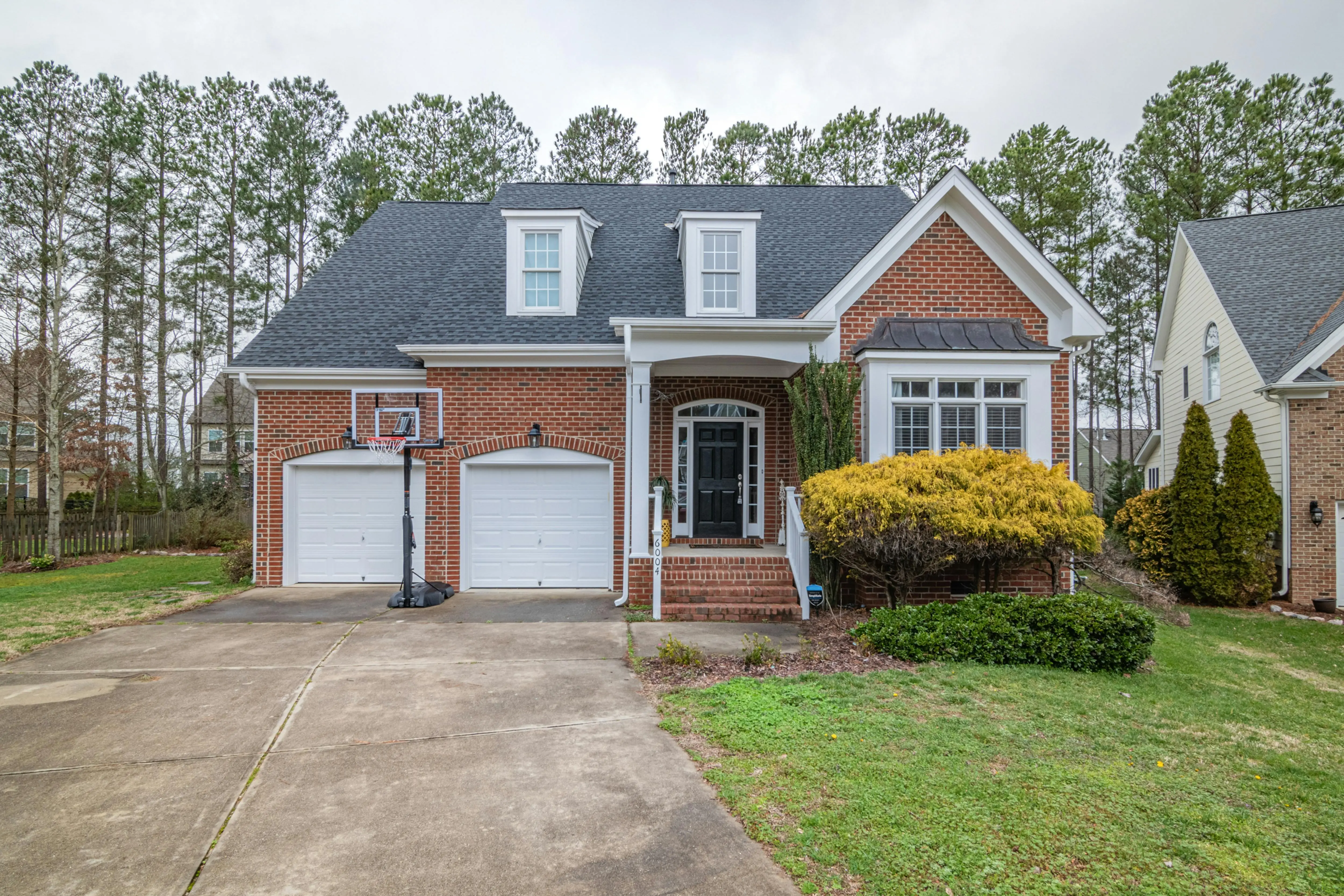
If your asphalt driveway is worn, cracked, or fading, replacing it entirely can be expensive and time-consuming. Fortunately, there’s a smarter solution: driveway whitetopping, a method that involves placing concrete over existing asphalt to create a stronger, longer-lasting surface.
What Is Driveway Whitetopping?
Driveway whitetopping is a pavement rehabilitation technique where a layer of concrete is installed over an existing asphalt driveway. Instead of removing the old asphalt, it is used as a base layer, which helps reduce costs and speeds up the project. This method is widely used for residential driveways, parking areas, and even roads because it improves durability while maintaining structural integrity.
Can You Pour Concrete Over Asphalt?
Yes, pouring concrete over asphalt is possible but only if the existing surface is in good condition.
Key Requirements for Success
- No major potholes or deep cracks
- Proper drainage must already exist
- The asphalt must be structurally stable
- Surface must be clean and well-prepared
If the asphalt base is weak or shifting, the concrete overlay may crack over time. Proper evaluation is critical before starting any whitetopping project. If you see pooling, review driveway drainage problems and fixes before you pour.
Types of Whitetopping for Driveways
Understanding the different types of whitetopping helps you choose the best solution based on your driveway condition and usage.
Thin Whitetopping
- Thickness: 4 to 6 inches
- Bonded to asphalt surface
- Suitable for moderate traffic
Conventional Whitetopping
- Thickness: 4 inches or more
- Not bonded to asphalt
- Best for heavy loads and damaged surfaces
Ultrathin Whitetopping (UTW)
- Thickness: 2 to 4 inches
- Strong bond with asphalt
- Ideal for residential driveways with light traffic
Each type varies in cost, durability, and application, making proper selection essential.
Benefits of Concrete Over Asphalt Driveways
Choosing a concrete overlay driveway offers several advantages:
- Faster Installation: Since the base layer already exists, installation time is much shorter compared to full replacement.
- Improved Appearance: A fresh concrete surface enhances curb appeal and increases property value.
- Cost-Effective Solution: No need for demolition or disposal of old asphalt, significantly reducing overall project costs.
- Increased Durability: Concrete is stronger than asphalt and can withstand heavy loads and weather conditions.
- Low Maintenance: Concrete driveways require fewer repairs and last longer than traditional asphalt surfaces.
When Is Whitetopping the Right Choice?
Concrete over asphalt works best under the following conditions:
- Minor cracks can be repaired easily
- The existing asphalt is stable and intact
- No major drainage issues
- The base layer is strong enough to support concrete
If your driveway has severe structural damage or sinking areas, a full replacement may be necessary instead. Compare options in our concrete vs asphalt vs gravel guide.
Step-by-Step Process of Concrete Over Asphalt
Proper installation is the key to a successful and long-lasting driveway.
1. Inspection and Assessment
Professionals evaluate the condition of the asphalt to determine if it can support a concrete overlay.
2. Surface Preparation
- Cleaning dirt, oil, and debris
- Filling cracks and potholes
- Milling or roughening the surface for better bonding
3. Edge Forming
Forms are installed around the driveway to maintain shape and thickness.
4. Reinforcement Installation
Steel mesh or rebar may be added to improve strength and prevent cracking.
5. Concrete Pouring
Concrete is poured evenly over the prepared asphalt surface.
6. Finishing and Curing
The surface is leveled, textured, and cured properly to ensure durability and strength.
Ideal Thickness for Concrete Overlay
The thickness of the concrete layer depends on how the driveway will be used:
- Residential driveways: 2-4 inches
- Heavy vehicles or RVs: 4-8 inches
Thicker overlays provide better performance and longevity, especially under heavy loads.
Pros and Cons of Driveway Whitetopping
Advantages
- Faster project completion
- Lower cost compared to full replacement
- Enhanced visual appeal
- Long-lasting and durable surface
Disadvantages
- Not suitable for severely damaged driveways
- Requires a stable asphalt base
- Risk of cracking if base shifts
- Less flexible than asphalt
Common Mistakes to Avoid
Avoid these common errors to ensure a successful project:
- Skipping proper surface preparation
- Using insufficient thickness
- Pouring concrete over unstable asphalt
- Ignoring drainage issues
- Failing to include control joints
Proper planning and professional installation can prevent these issues.
How Long Does Concrete Over Asphalt Last?
A properly installed concrete overlay can last 20 to 30 years or more, depending on:
- Quality of installation
- Climate conditions
- Thickness of the concrete
- Traffic load
This makes driveway whitetopping a long-term investment for homeowners.
Cost of Concrete Over Asphalt Driveway
The cost of a concrete over asphalt driveway varies based on several factors:
- Driveway size
- Thickness of concrete
- Surface preparation requirements
- Labor and materials
However, whitetopping is generally more affordable than full driveway replacement since it eliminates demolition costs. For a deeper cost breakdown, see driveway cost breakdown: labor, materials, and equipment.
Is Driveway Whitetopping Worth It?
Yes, if your existing asphalt is in good condition. Driveway whitetopping is ideal for homeowners who want:
- A cost-effective upgrade
- A durable and long-lasting surface
- Faster installation with minimal disruption
However, if the base is failing, investing in a complete replacement will provide better long-term results.
Final Thoughts on Concrete Over Asphalt Driveways
Driveway whitetopping is a practical, efficient, and cost-effective solution for upgrading worn asphalt surfaces. By installing concrete over existing asphalt, you can achieve a stronger, more attractive driveway without the hassle of full removal. The key to success lies in proper evaluation, preparation, and installation. When done correctly, a concrete overlay can deliver decades of performance while enhancing the overall look and value of your property.
Frequently Asked Questions
If cracks are stable and less than ½ in. wide, they rarely telegraph through a 4-in. whitetopping slab. Wider or moving cracks should be filled or patched before the pour.
3 in. is acceptable for ultra-thin whitetopping on sound asphalt with light vehicle loads. Most Drivewayz USA crews recommend 4 in. for standard residential use and 6 in. if you regularly park a ¾-ton truck or RV.
Standard rock salt (sodium chloride) can scale any concrete surface over time. Use calcium magnesium acetate or sand for traction during the first winter, and always reseal before the season starts.
Light cars: 7 days. Heavy trucks or RVs: 14 days. Waiting the full cure period ensures the concrete reaches 70 % design strength and prevents surface dents from tire pressure.