
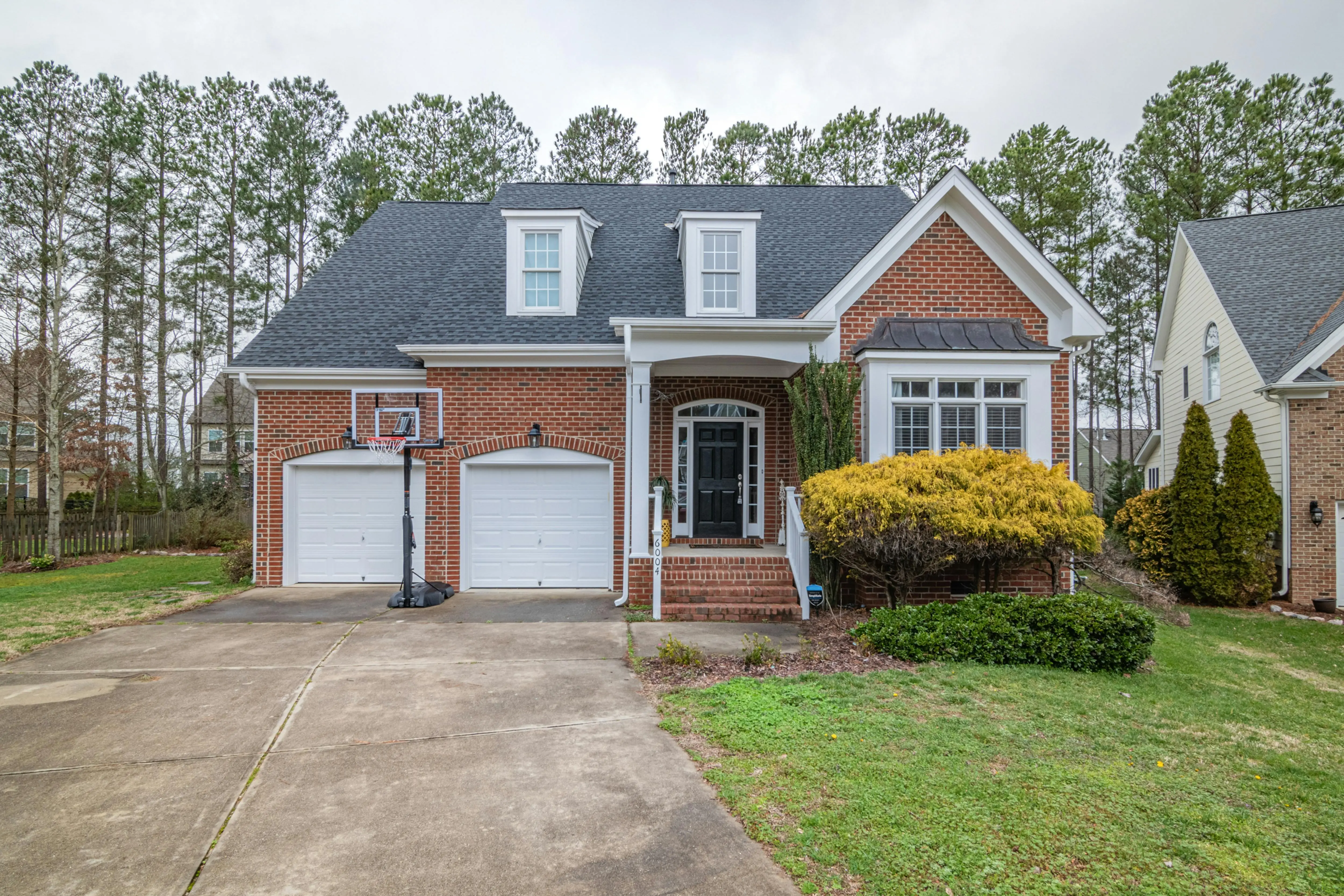
Driveway stenciling and pattern techniques have become one of the most popular ways to upgrade plain concrete into a visually appealing, high-end surface. Instead of investing in expensive materials like natural stone or brick, homeowners and contractors are increasingly turning to decorative concrete driveway solutions that offer durability, affordability, and design flexibility.
What Is Driveway Stenciling?
Driveway stenciling is a decorative concrete technique that uses specially designed stencil sheets to create patterns and textures on concrete surfaces. These patterns mimic the look of brick, cobblestone, tile, slate, and other premium materials. Unlike traditional paving methods, concrete driveway stenciling delivers a similar visual effect without the complexity and cost of individual units.
Why Homeowners Choose Driveway Stenciling
Homeowners are gradually turning to driveway stenciling as a smart way to boost curb appeal instantly while adding real value to their property. Unlike expensive alternatives like pavers or stamped concrete, stenciling offers a cost-effective solution with completely customizable designs and colors to suit any style. It also requires minimal maintenance over time, making it a practical long-term investment. Whether applied to a brand-new driveway or used to refresh existing concrete, this method delivers striking results without breaking the budget.
The Technique behind Driveway Stenciling
Understanding the process helps ensure better results whether you choose DIY or professional installation.
Step-by-Step Process
- Surface Preparation
The concrete surface is cleaned thoroughly using a pressure washer. Any cracks or damage are repaired to create a smooth base. - Application of Overlay
A thin layer of concrete overlay or micro-topping is applied to the surface. This creates a fresh base for the stencil design. - Placement of Stencil
Stencil sheets are carefully placed and aligned to achieve the desired pattern. Proper alignment is crucial for a seamless finish. - Color Application
Color hardeners or pigments are applied evenly across the stencil. This step defines the overall look of the driveway. - Stencil Removal
Once the material begins to set, the stencil is removed to reveal clean pattern lines that resemble grout or joints. - Sealing the Surface
A protective sealer is applied to enhance color, improve durability, and protect against weather and stains.
The final result is a smooth yet patterned concrete driveway that looks like real masonry.
Driveway Stenciling vs Stamped Concrete
Many people compare stenciled concrete driveways with stamped concrete. While both are decorative techniques, they differ in application and finish.
Stenciled Concrete
- Faster installation process
- Smooth finish with pattern illusion
- Applied as a surface treatment
- More budget-friendly
Stamped Concrete
- Creates a textured surface
- Pattern is pressed into wet concrete
- Requires more labor and specialized tools
- Higher overall cost
For driveways, stenciling is often preferred because it provides a cleaner surface and better resistance to wear and tear.
Ideal Conditions for Concrete Stenciling
For the best results, timing and environmental conditions are critical when applying driveway stencil patterns.
Recommended Conditions
- Surface should be damp but not wet
- Temperature between 15°C and 27°C
- Avoid extreme heat or direct sunlight during application
- Concrete should have moderate firmness for proper stencil adhesion
Poor conditions can lead to uneven color, weak adhesion, or blurred patterns.
Popular Driveway Stencil Patterns
Choosing the right pattern plays a major role in achieving the desired aesthetic. Here are some of the most widely used driveway stencil designs:
Herringbone Pattern
A dynamic and elegant design that adds movement and sophistication. It works well for large driveways and creates a premium appearance.
Cobblestone and Stone Patterns
Perfect for achieving an old-world or European-style driveway. These designs mimic natural stone and pair well with earthy tones.
Running Bond Brick Pattern
This classic pattern replicates traditional brickwork and is perfect for both modern and traditional homes. It’s also effective at hiding minor surface imperfections.
Basket Weave Pattern
This pattern offers a unique woven look, ideal for decorative borders or accent sections.
Custom Patterns and Logos
Homeowners can personalize their driveways with custom stencils, including house numbers, logos, or decorative borders. These are usually created using precision-cut stencil sheets.
Choosing the Right Colors for Your Driveway
Color plays a crucial role in enhancing the visual impact of your decorative concrete driveway.
Types of Coloring Methods
- Concrete Stains: Used for artistic finishes and layered color effects.
- Integral Color: Mixed directly into the concrete for consistent and long-lasting color.
- Color Hardeners: Applied to the surface to improve durability while adding vibrant color.
Color Selection Tips
- Darker tones help hide dirt and tire marks
- Light shades reflect heat and are ideal for hot climates
- Natural earth tones create a timeless appearance
- Contrasting colors enhance pattern visibility
Selecting the right combination ensures both beauty and longevity.
Maintenance Tips for Stenciled Concrete Driveways
Proper maintenance keeps your driveway looking new for years.
- Regular Cleaning: Sweep debris weekly and wash with water to prevent buildup.
- Monthly Care: Use a mild, pH-neutral cleaner to remove stains and dirt.
- Sealing Maintenance: Reapply sealer every 1.5 to 3 years depending on traffic and weather conditions.
- Avoid Harsh Chemicals: Acid-based cleaners can damage the surface and fade colors.
Routine maintenance helps preserve both the pattern and the protective layer.
Common Mistakes to Avoid
Avoiding these errors can save time and money during your driveway stenciling project:
- Poor surface preparation leading to weak adhesion
- Misaligned stencil placement causing uneven patterns
- Applying color inconsistently
- Skipping the sealing step
- Working in unsuitable weather conditions
Attention to detail is key to achieving a flawless finish.
Why Driveway Stenciling Is a Smart Choice
Driveway stenciling offers the perfect balance of style, durability, and affordability. It allows homeowners to achieve the look of high-end materials without the associated costs and maintenance. With endless design options, easy customization, and long-lasting performance, driveway stenciling and pattern techniques are an excellent investment for enhancing outdoor spaces.
Frequently Asked Questions
No—because stenciling is only ⅛ inch deep, plow blades ride above the joints. Use a plastic or rubber-edged blade and keep sealer intact; that’s where the protection lives.
Yes, but cracks wider than ¼ inch need to be routed and filled first. Then install a ½-inch bonded overlay before the stencil. Expect a 10- to 15-year life extension if prep is done right.
Foot traffic in 24 hours, cars in 72 hours (longer in cool, humid weather). Roll tires onto plywood the first week to avoid tire marking on uncured sealer.
The pattern itself adds micro-texture, but always mix a clear polymer grit into the final sealer coat. Aim for a friction coefficient of 0.6 or higher—your contractor can test with a tribometer.