
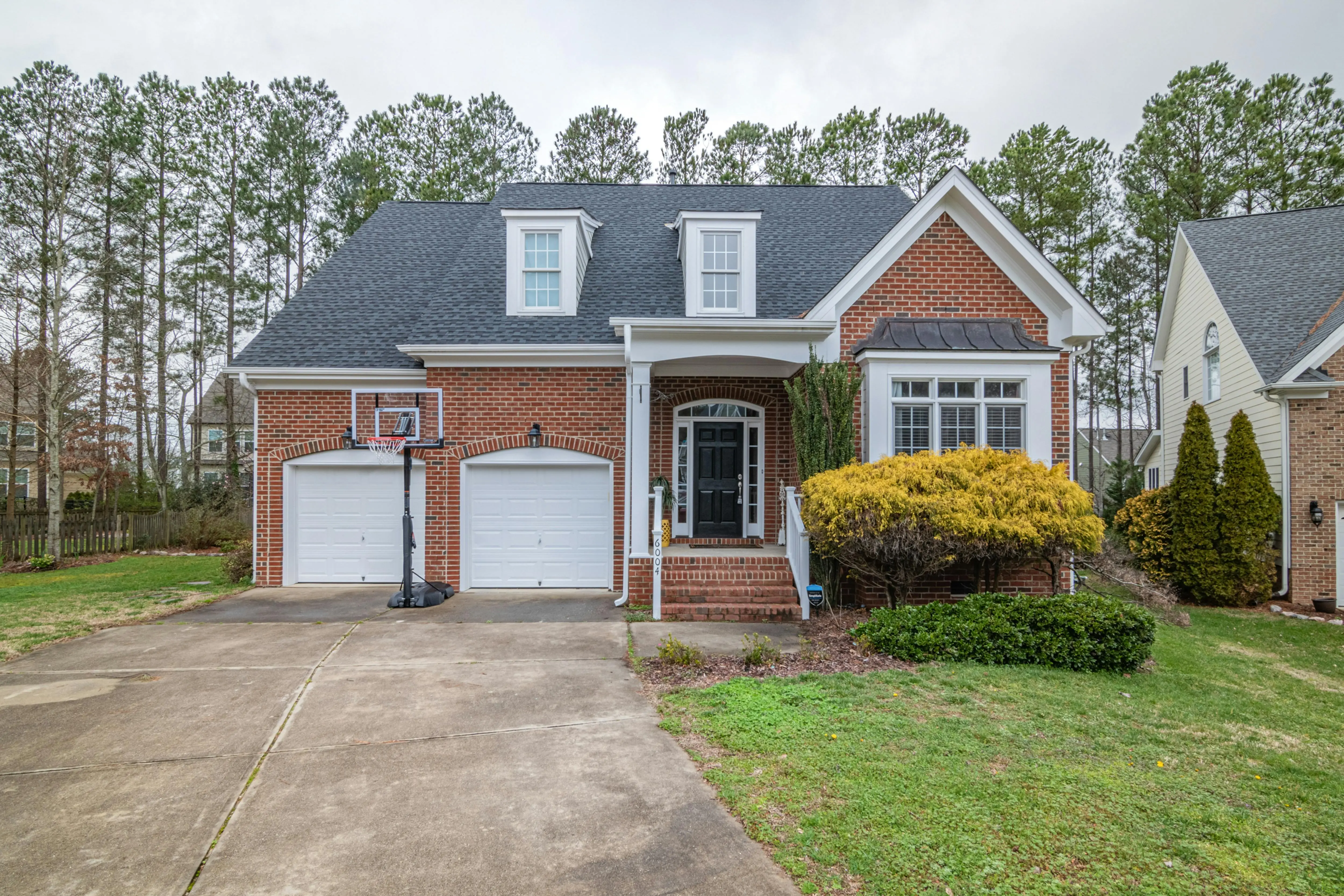
A driveway does more than provide a place to park, it plays a major role in your home's curb appeal, functionality, and resale value. Your driveway is the very first thing potential buyers see when they pull up to your home. Before they step through the front door, before they admire the kitchen, before they check out the backyard, they see the driveway. And that first impression carries more financial weight than most homeowners realize.
A well-installed, properly maintained driveway does more than just give you a place to park your car. It signals to buyers that the property has been cared for, that it's move-in ready, and that they won't be inheriting a list of costly repairs. On the other side, a cracked, crumbling, or stained driveway can drag down your property's perceived value and push serious buyers toward the competition. So, exactly how much does a new driveway add to home value, and is it worth the investment?
What Is Driveway ROI?
Driveway ROI refers to the percentage of your investment you recover through an increase in your home's market value after installing or upgrading a driveway. For example, if you spend $7,000 on a new driveway and your home value increases by $6,000–$7,500, your ROI ranges between 85% and 107%. Compared to many home improvements, a driveway upgrade often delivers a strong return with relatively low upfront cost, making it a practical investment for homeowners.
Why a New Driveway Increases Home Value
Improved Functionality and Safety
A damaged driveway with cracks, potholes, or uneven surfaces can raise concerns for buyers. It suggests future repair costs and possible safety issues. A new driveway eliminates these concerns by:
- Providing a smooth and safe surface for vehicles and pedestrians
- Improving drainage and reducing water pooling
- Offering better usability, especially if expanded or redesigned
Functional improvements can be just as important as visual upgrades when it comes to property value.
Curb Appeal and First Impressions
First impressions matter in real estate. A clean, well-installed driveway immediately signals that a home is well maintained. When potential buyers arrive, the driveway is one of the first features they notice. A smooth surface, clean edges, and modern finish can make the entire property feel newer and more appealing. Homes with strong curb appeal often:
- Attract more buyer interest
- Spend less time on the market
- Command better offers
Even a modest improvement in appearance can influence perceived value significantly.
Lower Maintenance and Long-Term Savings
Buyers are often willing to pay more for features that reduce future expenses. A newly installed driveway typically requires minimal maintenance for several years. Modern installation techniques also ensure:
- Proper grading and drainage
- Strong foundation layers
- Compliance with local construction standards
This gives buyers confidence that they won't face unexpected repairs shortly after purchase.
How Much Value Does a New Driveway Add?
The value added by a new driveway depends on several factors, including material, location, and the existing condition of the driveway. On average:
- In some cases, ROI can exceed 100%, especially in competitive housing markets (possible but not guaranteed)
- Most homeowners recover 75% to 100% of the installation cost
- A well-designed driveway can contribute up to 5%–10% of overall home value
If the current driveway is in poor condition, replacing it can also prevent a reduction in your home's asking price.
Driveway Installation Costs
Understanding the cost of installation is key to calculating ROI. See our driveway cost breakdown for a fuller look at labor, materials, and equipment.
Average Cost Per Square Foot (approx)
- Asphalt driveway: $3 to $5
- Concrete driveway: $5 to $7
- Stamped concrete: $8 to $12
- Paver driveway: $10 to $15
Typical Total Costs
For a standard 600-square-foot driveway:
- Asphalt: $4,000 to $7,500
- Concrete: $6,000 to $9,000
- Pavers: $12,000 to $18,000
Costs can vary based on location, labor rates, and site conditions.
Additional Costs to Consider
Beyond materials and labor, several factors can influence the final price:
- Grading and drainage improvements
- Removal of the existing driveway
- Permit and inspection fees
- Tree roots or soil stabilization
These additional expenses can increase total costs by 10% to 20%, so it's important to plan accordingly.
Best Driveway Materials for ROI
Choosing the right material plays a crucial role in maximizing return on investment. Compare options in our concrete vs asphalt vs gravel guide.
Asphalt Driveways: Asphalt is a cost-effective option and performs well in colder climates. It offers a lower upfront cost and quick installation, but it does require periodic sealing to maintain its appearance and durability.
Concrete Driveways: Concrete is one of the most popular choices due to its durability and clean appearance. It can last 30 years or more with minimal maintenance, making it a strong contender for high driveway ROI.
Stamped Concrete: Stamped concrete provides a decorative finish that mimics stone, brick, or tile. It enhances visual appeal, especially in upscale neighborhoods, but requires sealing to maintain its look over time.
Paver Driveways: Pavers are considered a premium option with high aesthetic value. They are durable and easy to repair, as individual units can be replaced. While the upfront cost is higher, they can deliver excellent ROI in high-end markets.
Replace vs. Resurface: Which Option Is Better?
Not every driveway needs a full replacement. In some cases, resurfacing can be a more cost-effective solution.
When to Resurface
Resurfacing is ideal if:
- Cracks are minor and not widespread
- The foundation is still strong
- You want a quick and affordable upgrade
Because of its lower cost, resurfacing can offer a very high ROI.
When to Replace
A full replacement is necessary when:
- The driveway has reached the end of its lifespan
- There are deep cracks or structural damage
- Drainage issues are present
While more expensive, replacement provides the best long-term value and buyer appeal.
Factors That Influence Driveway ROI
Several external factors can affect how much value your driveway adds.
Location and Climate
- Asphalt performs better in colder regions due to flexibility
- Concrete is more suitable for warmer climates
- Areas with heavy rainfall require proper drainage solutions
Neighborhood Standards
Your driveway should match the expectations of your neighborhood. Installing a luxury driveway in a modest area may not deliver a strong return, while upgrading a worn-out driveway in a high-end neighborhood can significantly boost value.
Parking Availability
In areas where parking is limited, a well-designed driveway can be a major selling point. Expanding width or adding extra parking space can increase buyer interest.
Simple Ways to Increase Driveway ROI
You don't always need a full replacement to improve value. Small upgrades can make a noticeable difference. Consider:
- Adding clean edging or borders
- Installing subtle lighting along the driveway
- Keeping the surface clean and well-maintained
- Improving landscaping around the driveway
These enhancements improve both appearance and functionality without a large investment.
Common Mistakes to Avoid
To get the best return, avoid these common errors:
- Poor installation or inadequate base preparation
- Overspending beyond neighborhood value
- Ignoring drainage issues
- Choosing overly complex or trendy designs
- Neglecting regular maintenance
Mistakes like these can reduce both durability and resale value.
When Should You Install a New Driveway?
Timing can influence how much value you get from your investment. If you're planning to sell, installing a new driveway 2 to 6 months before listing ensures it looks fresh and appealing during showings. For long-term homeowners, upgrading earlier allows you to enjoy the benefits while still increasing future resale value.
Is a New Driveway Worth the Investment?
A new driveway is a practical upgrade that offers both visual impact and financial return. While it may not always generate huge profits, it plays a crucial role in:
- Enhancing curb appeal
- Improving safety and usability
- Preventing value loss from a damaged surface
In many cases, the combination of aesthetic improvement and functional benefits makes driveway installation a smart and worthwhile investment. If your current driveway is cracked, outdated, or poorly designed, upgrading it can significantly improve your home's overall value and marketability.
Fast FAQ: Quick Answers to the Most Common Driveway ROI Questions
Yes—if the old one was in poor condition. Appraisers use paired-sales analysis; they’ll add $5 k–$10 k when comparable sales feature new driveways and yours does too. Provide the install invoice so the adjustment is documented.
In northern climates with freeze-thaw cycles, asphalt is accepted and delivers 80–90 % ROI. In southern or upscale markets, concrete is preferred and can return 95–100 %. Match neighborhood norms for best results.
Install 2–6 months before listing. This window allows you to photograph the surface in pristine condition while still advertising it as “brand new” and gives any landscaping sod time to fill in along edges.
Only if local codes allow and parking is scarce. Adding 2–3 ft on one side for extra vehicle or RV storage can recoup 100 % plus in urban areas; in rural settings with ample space, the payback drops to 50 %.