
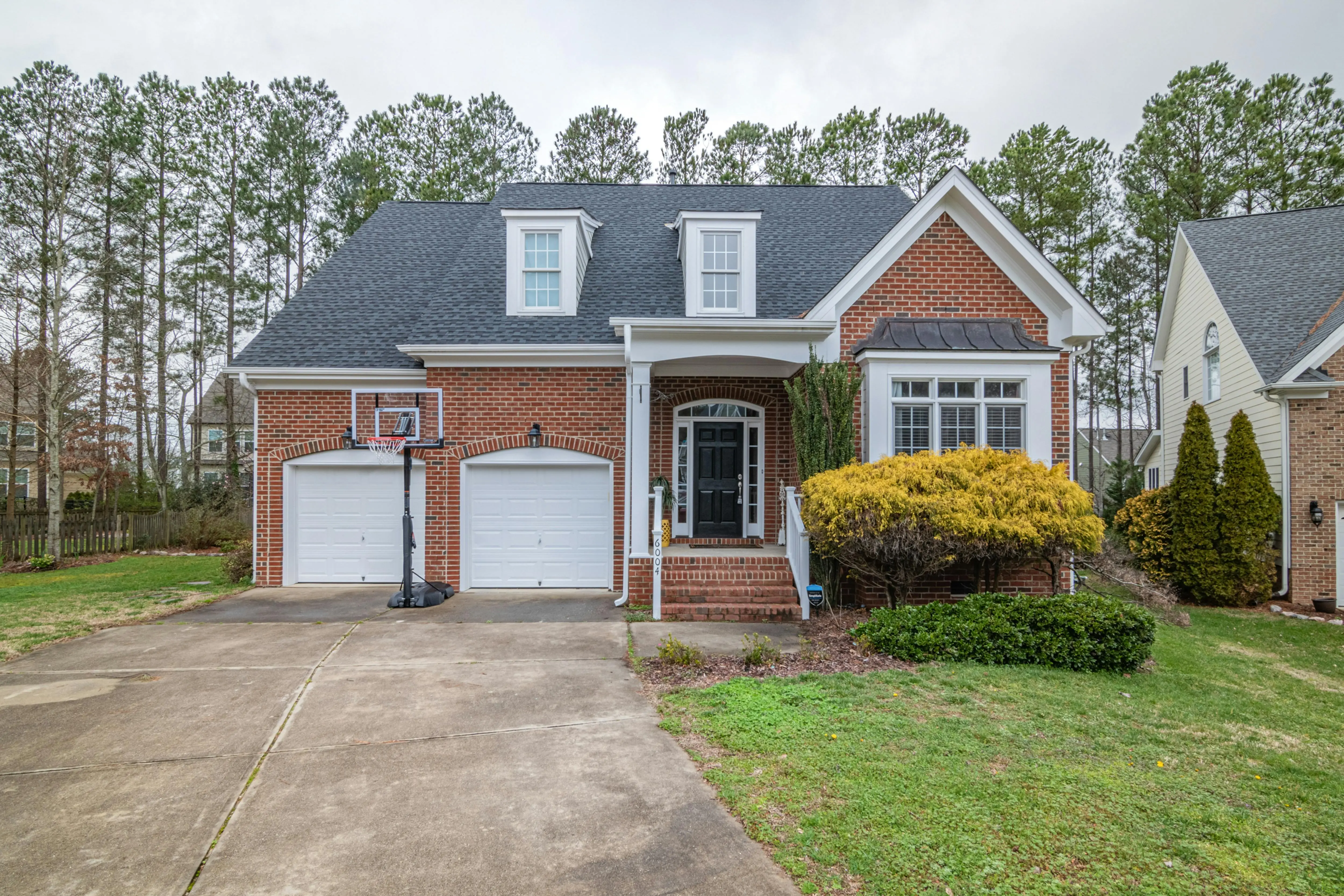
Understanding Driveway Historic Preservation Standards
When people think about preserving a historic property, they picture restored woodwork, original windows, maybe a carefully maintained roofline. The driveway rarely comes to mind first and that's a mistake. The path leading up to a historic home or estate is part of its story, just as much as the porch or the front door. The Secretary of the Interior's Standards, the framework most preservation boards across the country lean on, do account for landscape features like driveways. The underlying philosophy is consistent: keep what's original, don't alter more than necessary, and when materials need attention, choose ones that respect what was there before. For homeowners, contractors, and anyone navigating a preservation review, understanding how that philosophy translates specifically to driveways can save a lot of headaches and a lot of money.
What Gets Lost When a Driveway Disappears
A driveway isn't just a strip of pavement leading to a garage. A gravel carriage path laid down in the 1800s or an early poured-concrete driveway from the 1920s carries information about how a property was used and when. Tear it out and replace it with blacktop, and that piece of context is gone for good. Preserving these surfaces does real work: It keeps the architectural story of the property intact. It gives future visitors and historians something accurate to look at. It tends to support property values in designated heritage districts. And, practically speaking, it keeps you on the right side of local preservation rules.
Here's a common scenario
a homeowner swaps a deteriorating brick driveway for asphalt because it's cheaper and easier to maintain. The cost savings are real in the short term, but the historical value takes a hit and in stricter preservation zones, that kind of swap can get a renovation permit denied outright, or trigger fines after the fact.
The Core Logic Behind the Standards
Strip away the bureaucratic language, and the Secretary of the Interior's Standards boil down to one idea: preserve before you replace. Applied to driveways specifically, a few principles tend to come up again and again. Keep the original material if you can: Cobblestone, brick, early concrete, whatever the surface is made of, the default move is repair, not removal. Any patchwork should match the existing texture, color, and pattern as closely as possible. Repair first, replace as a last resort: Cracks, settling, minor wear, these are usually fixable with the right techniques. Full replacement only makes sense once a surface is genuinely beyond saving. Resist the urge to modernize the look: Stamped concrete made to resemble stone might seem like a reasonable compromise, but if it doesn't convincingly replicate the original material, it can fail to meet preservation criteria entirely. Don't mess with the footprint: Widening a narrow historic driveway so it can fit modern SUVs might solve a parking problem, but it also changes the proportions and layout that made the property historically accurate in the first place.
Working With Specific Materials
Different surfaces call for different approaches, and knowing the difference matters if you want a restoration to actually hold up to scrutiny.
Gravel
Gravel shows up constantly on older properties because it was cheap, easy to lay, and drained well. Keeping it authentic mostly comes down to maintenance: topping it off with gravel that matches the original size and tone, keeping the edges defined so the path doesn't bleed into the surrounding lawn, and staying on top of drainage so it doesn't wash out after heavy rain. Picture a farmhouse from the early 1900s, often it's the simple gravel drive bordered by fieldstone that gives the property its character, more than the house itself in some cases.
Brick
Common in colonial-era and early urban properties, brick driveways hold up well when maintained properly. When bricks crack or crumble, reclaimed or closely matched replacements work best. The laying pattern herringbone, running bond, whatever was originally used should stay consistent. And where mortar repairs are needed, a traditional mix tends to age and look more appropriate than modern alternatives.
Cobblestone
These surfaces are tough, but they shift over time. The fix usually isn't replacement, it's resetting stones that have come loose. Sealants that give the surface a glossy, "new" sheen should generally be avoided, since they change the look the material was chosen for in the first place. The irregularity of the pattern is part of what makes it historically valuable, so resist the urge to make it look too uniform.
Early Concrete
Concrete driveways from the early 20th century have their own quirks, including scoring patterns that were often part of the original design. Cracks can be patched with compatible materials, but overlays that bury the original surface should be off the table, they erase exactly the detail that makes the driveway historic in the first place.
Modern Life, Historic Surfaces
Here's the tension nobody can avoid: cars today are bigger and heavier than what these driveways were originally built for. A surface designed for a Model isn't necessarily built to handle a modern pickup truck day after day. The workaround isn't usually visible from the surface. Reinforcing what's underneath the base layer lets a driveway handle more weight without changing its appearance. Subtle drainage upgrades can prevent erosion without anyone noticing a difference. And in some cases, using historically appropriate materials engineered for better durability strikes the right balance.
A good example
a property keeps its original brick on top but gets a reinforced base installed underneath. From the street, nothing's changed. Structurally, it can handle a lot more than it used to.
Where Restorations Go Wrong
Even people with good intentions mess this up. The most common missteps: swapping original materials for something modern and easier to maintain, widening or reshaping the driveway without realizing it changes the historic footprint, applying sealants or coatings that weren't part of the original design, and ignoring drainage problems until they cause real structural damage. A glossy sealant on a stone driveway is a good example: it might buy a few years of easier upkeep, but it changes the surface's appearance permanently and can violate preservation standards outright.
A Restoration Done Right
Picture a historic estate with a cobblestone driveway that's seen better decades, stones shifting, gaps opening up, drainage failing. Rather than ripping it out for asphalt, the restoration crew took a slower route: pulling up each stone, resetting it by hand, reinforcing the base underneath, and fixing the drainage that had been causing the damage in the first place. The outcome speaks for itself. The original character stayed intact. The driveway can handle modern use without falling apart again. And the property's value went up, not down. That's really the whole point of the Secretary of the Interior's Standards in practice, not blocking progress, but making sure progress doesn't erase what made the place worth preserving.
Finding the Right Contractor
Not every paving contractor understands what historic preservation actually requires and hiring the wrong one can undo decades of careful upkeep in a single afternoon. Look for someone with a track record in historic restoration specifically, real familiarity with traditional materials and techniques, a track record of following preservation guidelines rather than cutting corners, and the willingness to lay out a detailed plan before any work starts.
Final Thoughts
Driveways don't get the same attention as a historic home's facade, but they deserve to. Following the Secretary of the Interior's Standards and the broader principles behind driveway preservation means a property can adapt to modern life without losing what made it worth preserving in the first place. Drivewayz USA works at that intersection: practical, durable driveway solutions that don't sacrifice historical integrity to get there. Whether the project is reviving a gravel path or carefully restoring century-old brick, doing it right means the work lasts without erasing the history underneath it. This isn't just about checking a regulatory box. It's about protecting something that can't be recreated once it's gone, and handing it off intact to whoever owns the property next.
Frequently Asked Questions
They're a set of guidelines aimed at making sure historic driveways get repaired and maintained in ways that keep their original materials and character intact, rather than replaced wholesale.
Generally, no, not unless the original surface is truly beyond repair. And even then, whatever replaces it should closely mirror the look of what was there.
The core ideas are the same as they are for buildings: preserve original materials, keep the layout intact, and avoid changes that shift the historic character of the property.
Use matching materials, keep the original pattern and layout, and fix structural issues in ways that don't change how the surface looks.
If the property sits in a designated historic district, yes, check with the local preservation board before starting any work.