
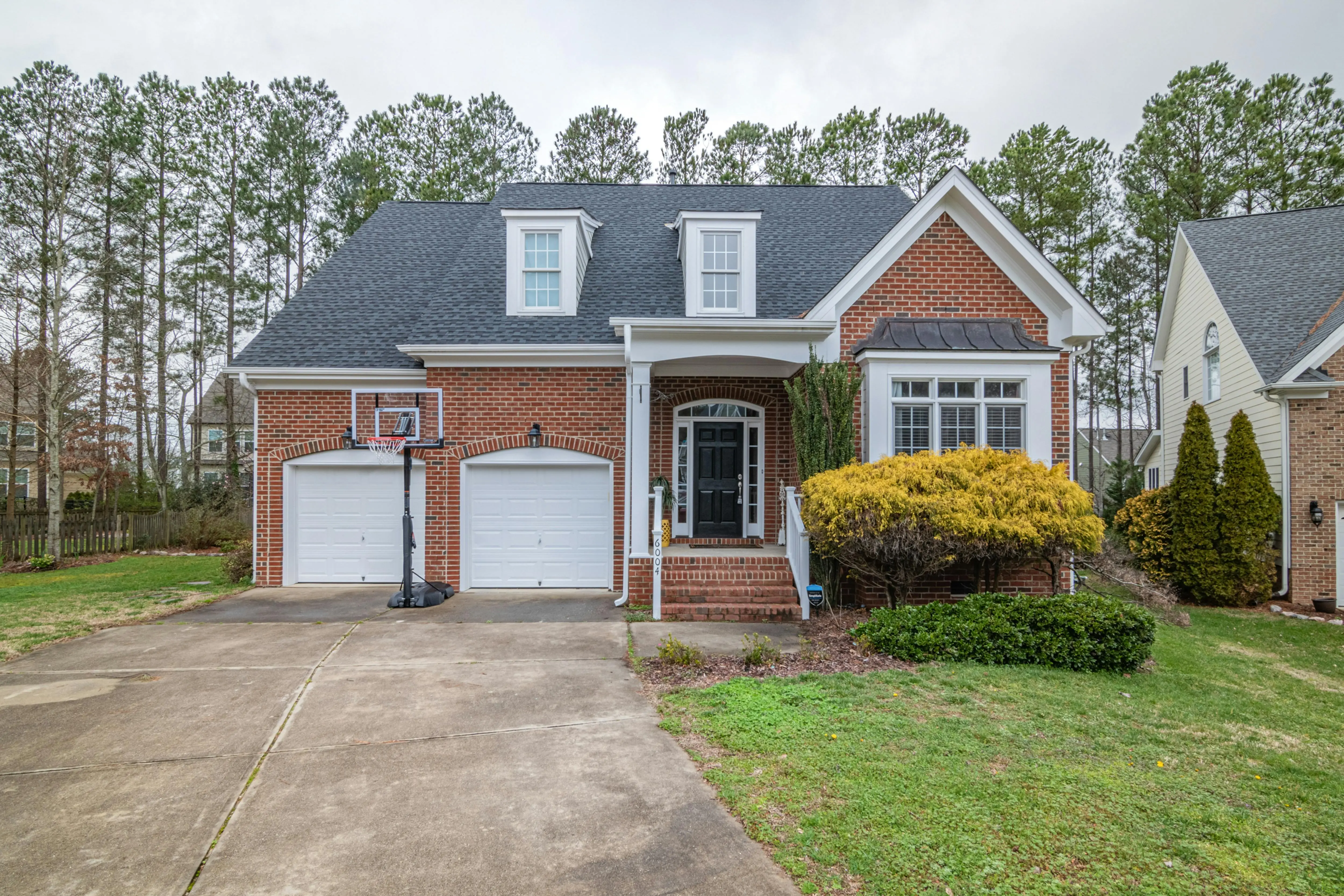
Most people still think of a driveway as nothing more than the strip of concrete or pavers between the street and the garage. A driveway connected home flips that idea on its head. Here, the driveway stops being a passive surface and becomes an active part of your smart home setup, talking to your security cameras, your lighting, your gate, and whatever automation hub you're already running indoors. As the underlying tech keeps maturing, more homeowners are checking driveway activity from their phones or simply asking a voice assistant what's going on outside, instead of walking out to look.
What Is a Driveway Connected Home?
Most people still think of a driveway as nothing more than the strip of concrete or pavers between the street and the garage. A driveway connected home flips that idea on its head. Here, the driveway stops being a passive surface and becomes an active part of your smart home setup, talking to your security cameras, your lighting, your gate, and whatever automation hub you're already running indoors. As the underlying tech keeps maturing, more homeowners are checking driveway activity from their phones or simply asking a voice assistant what's going on outside, instead of walking out to look.
Why It's Worth Paying Attention To
Your driveway is usually the first thing that registers contact with your property, before a doorbell rings, before anyone reaches the porch. Treating it as a smart zone in its own right brings advantages that go well past basic convenience.
Security Gets Sharper
Cameras, motion sensors, and automated gates working together mean odd activity gets flagged the moment it happens, not discovered after the fact.
Daily Friction Drops
Gates that open as you roll up, lights that switch on without you touching anything small things, but they add up over a year of comings and goings.
Resale Gets a Boost
Buyers shopping in today's market increasingly expect some baseline of smart-home readiness, and a driveway that's already wired in is a point in your favor.
Power Gets Used More Sensibly
Sensor-driven lighting only draws electricity when something's actually there to light up, rather than running on a dumb timer all night.
What Actually Makes Up a Driveway Connected System
A few pieces have to work in concert for any of this to function well.
- Smart gates: Operated from an app, by remote, or automatically through vehicle recognition or geofencing.
- Motion sensors: The trigger mechanism behind lighting, recording, and alerts.
- Connected lighting: set to fire on a schedule or in response to movement, balancing safety with curb appeal.
- Security cameras: Recording continuously and streamable to your phone whenever you want a look.
- Access control: Keyless entry, license-plate recognition, smart intercoms, the layer that decides who actually gets in.
How the Pieces Talk to Each Other
None of this works in isolation. A hub or central smart-home platform ties every device together so they can react to one trigger in sequence. A typical sequence looks something like this:
- A car turns into the driveway
- A motion sensor picks it up
- The system checks who or what just arrived
- The gate swings open
- The driveway lights come on
- The cameras start recording
All of that plays out in a few seconds, with nobody touching a switch. The connections themselves usually run through some combination of Wi-Fi-enabled hardware, an IoT automation platform, a companion mobile app, and voice-assistant support for hands-free control.
What You Actually Gain Day to Day
- Less repetition: Tasks you used to do by hand, opening a gate, flipping on a light, now happen on their own, tuned to how you actually live.
- Eyes on the property at all times: Check in from a hotel room or the office; you don't need to be standing in the driveway to know what's happening there.
- Rules built around your life: Schedules, weather triggers, specific exceptions, automation rules can be as particular as you want them to be.
- A safer space for everyone: A driveway that's lit and watched is simply a lower-risk space, for residents and for anyone dropping by.
Things Worth Checking Before You Commit
A little homework up front saves headaches later.
Does it go well with what you already have? New driveway hardware needs to speak the same language as your existing smart-home setup, or you'll end up running two disconnected systems instead of one.
Is your internet up to the job? Real-time triggers depend on a connection that doesn't drop out, patchy Wi-Fi undermines the whole point.
Will you need a professional for installation? Gates and higher-end security components often aren't a weekend DIY project.
How's your data being handled? Anything collecting footage and access logs should be locked down with proper encryption, not left on default settings.
A Few Habits That Keep Systems Running Well
- Stick with devices built to last rather than the cheapest option on the shelf.
- Use a genuinely strong network password, not something guessable.
- Keep firmware and software current, skipped updates are where vulnerabilities creep in.
- Think through camera and sensor placement instead of mounting them wherever's convenient.
- Run through your automation routines now and then to make sure they still behave as expected.
Final Thoughts
A connected driveway has moved from novelty to near-standard expectation in modern home setups. Linking it into your broader smart-home system buys you real security, less day-to-day hassle, and a more efficient use of energy.
Automated gates, responsive lighting, cameras you can check from anywhere, together they change how you experience arriving home, and they tend to make a property more attractive when it's time to sell. Getting the setup right from the start matters more than people expect.
Why Homeowners Look to Drivewayz USA
Drivewayz USA builds driveway connected solutions aimed at fitting into the smart-home setups people already have, rather than asking them to start over. The focus stays on reliability and ease of use, security and automation that work without becoming another thing to manage.
Our approach scales from straightforward residential jobs to more involved integration projects, with the goal of giving homeowners something that holds up over the long haul rather than a system that feels dated in two years.
Frequently Asked Questions
It's the integration of your driveway with smart home technology like security cameras, automated gates, lighting, and access controls, all working together for better functionality.
It depends on scope. A basic setup with a couple of sensors and a camera is fairly affordable; layering in AI recognition and full gate automation pushes the cost up.
In most cases, yes. Sensors, cameras, and automated gates can usually be retrofitted, as long as they're compatible with whatever smart-home platform you're already running.
Quite secure, provided the network is locked down and software stays updated. Skipping those basics is where most vulnerabilities come from.
Yes, most current systems support voice control for gates, lighting, and other connected features.