
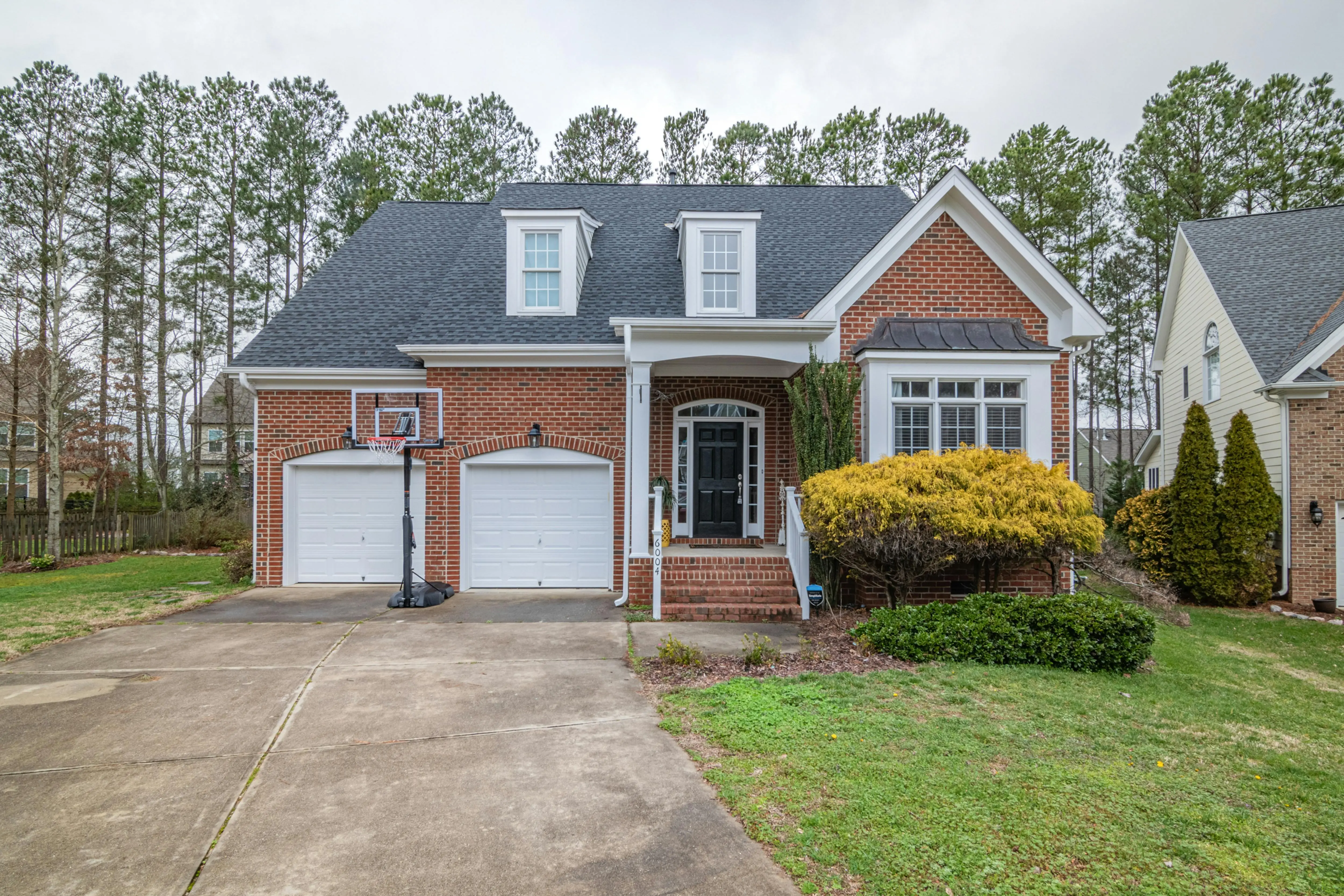
Driveway Complete Streets Integration
Modern driveway design has evolved far beyond a simple path for vehicles. Today, homeowners, developers, and urban planners are embracing Complete Streets integration to ensure that driveways support multi-modal access, improve safety, and connect seamlessly with surrounding infrastructure.
What Is Complete Streets Integration in Driveways?
Complete Streets is a design approach that focuses on creating roadways and transportation systems that are safe and accessible for all users. This includes pedestrians, cyclists, public transit riders, and drivers. When applied to driveway design, Complete Streets integration ensures that your driveway:
- Supports safe movement for multiple users
- Connects smoothly with sidewalks and bike lanes
- Enhances accessibility for people of all abilities
- Reduces conflicts between pedestrians and vehicles
Instead of treating a driveway as a standalone feature, this approach transforms it into an essential part of a connected transportation network.
Why Multi-Modal Driveway Access Is Important
Improved Safety and Reduced Conflicts
One of the biggest advantages of multi-modal driveway design is improved safety. By clearly defining spaces for walking, cycling, and driving, you significantly reduce the chances of accidents. Good design elements such as visibility, proper spacing, and clear markings help create a predictable and safe environment.
Better Accessibility for All Users
Accessibility is a key component of Complete Streets. A well-integrated driveway ensures ease of movement for:
- Wheelchair users
- Elderly individuals
- Children and pedestrians
Smooth surfaces, gradual slopes, and barrier-free transitions make the space inclusive and user-friendly.
Support for Sustainable Transportation
Encouraging walking and cycling reduces reliance on vehicles. A driveway that connects to bike lanes or pedestrian paths supports environmentally friendly transportation options and contributes to healthier communities.
Key Principles of Complete Streets Driveway Design
Safe and Smooth Transitions
Transitions between the driveway and public spaces must be carefully designed. Abrupt level changes or unclear boundaries can create hazards. To ensure safety:
- Use gradual slopes
- Provide clear visual cues
- Avoid sudden elevation differences
Connectivity to Surrounding Infrastructure
A successful driveway integrates seamlessly with public infrastructure. This includes connections to sidewalks, shared streets, and cycling paths. The goal is to ensure uninterrupted movement across different transportation modes.
Accessibility and Compliance
Accessibility should be a priority in every driveway design. This involves:
- Slip-resistant surfaces
- Adequate width for mobility devices
- Gentle gradients for easy navigation
Designing with accessibility in mind benefits all users, not just those with mobility challenges.
Visibility and Traffic Flow
Clear visibility is essential to prevent accidents. A well-designed driveway should allow drivers, pedestrians, and cyclists to see each other clearly. Incorporating proper lighting and maintaining open sightlines can significantly improve safety.
Essential Features of a Multi-Modal Driveway
Dedicated Pedestrian Space
Whenever possible, include a clearly defined walkway within or alongside the driveway. This minimizes interaction between pedestrians and vehicles.
Bicycle-Friendly Elements
Cyclists should be able to move smoothly through or around the driveway. This can be achieved through:
- Smooth surface transitions
- Clear markings
- Adequate space for movement
Efficient Drainage System
Water accumulation can create hazards for all users. Proper drainage design ensures the surface remains safe and usable in all weather conditions.
Lighting and Signage
Strategic lighting improves visibility, especially at night. Signage helps guide users and clearly defines different zones within the driveway.
Common Challenges in Driveway Integration
Space Limitations
Smaller properties may struggle to accommodate separate paths for each mode. In such cases, shared spaces can be designed with clear visual separation.
Budget Constraints
While multi-modal features may require a higher initial investment, they often lead to long-term savings by reducing maintenance and redesign needs.
Regulatory Requirements
Local building codes and regulations can impact driveway design. It’s important to ensure compliance with:
- Accessibility standards
- Driveway width and slope requirements
- Public road connection guidelines
Benefits of Complete Streets Driveway Integration
Integrating Complete Streets principles into your driveway offers several advantages:
- Enhanced safety for all users
- Improved accessibility and inclusivity
- Increased property value
- Better alignment with modern urban design trends
- Support for sustainable transportation
Maintenance Tips for Long-Term Performance
To keep your driveway safe and functional:
- Inspect surfaces regularly for cracks or damage
- Keep pathways clean and free of debris
- Ensure drainage systems are working properly
- Refresh markings and signage when needed
Routine maintenance helps preserve both safety and appearance.
Key Takeaway
Driveway Complete Streets integration represents a forward-thinking approach to modern driveway design. By prioritizing multi-modal access, safety, and seamless connectivity, you can create a driveway with the guidance of a professional that goes beyond serving vehicles and truly supports people. Whether you are planning a new driveway or upgrading an existing one, incorporating these principles helps you achieve a space that is inclusive, efficient, and aligned with today’s evolving transportation needs.
FAQ: Quick Answers to the Questions We Hear Most
Usually no. Cities cover the sidewalk, curb, and the first 2–4 ft of apron (the “public” portion). The rest of your driveway is private and your responsibility, but cost-share grants often rebate $500–$2,500 if you upgrade before their cutoff date.
Sometimes. You’ll need a separate curb-cut permit and must leave at least 18 in of sidewalk planting strip. Corner lots face tighter radius rules to keep sight-lines clear. Apply early—cities cap the number of new cuts per block.
Yes, if installed correctly. Open-graded base layers 12–18 in thick prevent freeze-thaw heave. Use a breathable sealer every five years and skip sand in winter—switch to fine stone or calcium-magnesium acetate for traction.
Ask the designer for a “raised crossing” or textured pavement that forces cyclists to slow. Landscaping bollards or low planters at the driveway edge also create a visual choke without blocking emergency vehicles.