
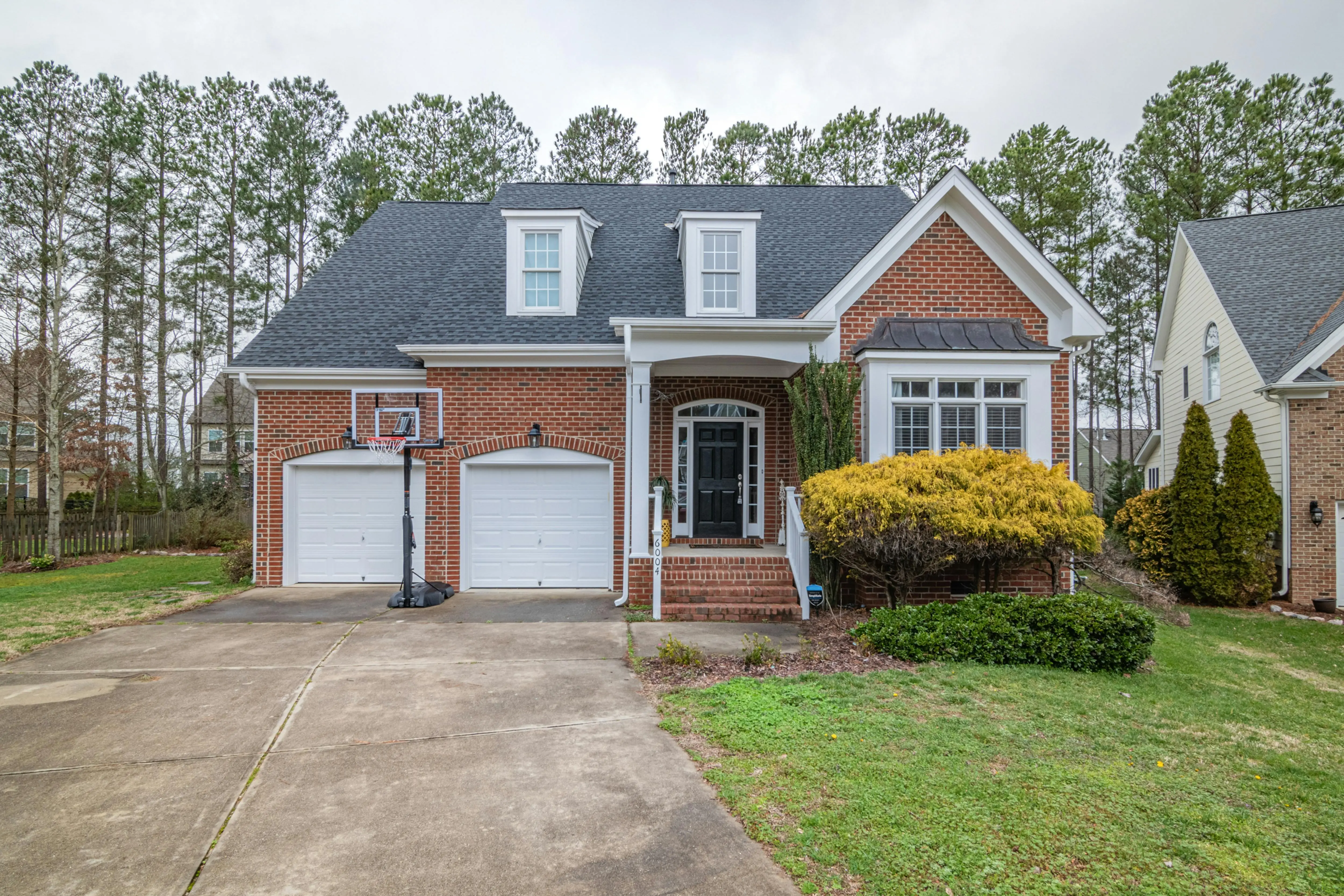
Driveways rarely get the attention they deserve. They sit in the background of municipal infrastructure and residential communities alike, easy to ignore until a crack turns into a pothole and a pothole turns into a five-figure repair bill. For city departments and HOA boards, treating driveways as a real asset class, something to plan for, budget around, and inspect on a schedule might pay off in lower costs, safer streets and driveways, and properties that hold their value over time.
So What Does "Driveway Asset Management" Actually Mean?
At its core, instead of waiting for damage to show up and then scrambling to fix it, you build a system around the driveway's entire lifecycle. That system usually rests on a few pillars
- Maintenance that's preventive rather than reactive
- Inspections that happen on a regular cadence, not just when someone complains
- A dedicated reserve fund earmarked specifically for driveway work
- Decisions backed by actual condition data instead of guesswork
None of this is exotic. It's closer to how a city manages its road network or a property manager handles HVAC replacement schedules, predictable spending instead of emergency spending.
And the payoff is real: a driveway that's maintained on this kind of schedule will typically last meaningfully longer than one that's left alone until it fails.
Why Bother? The Cost of Doing Nothing
Skip the maintenance and the deterioration doesn't stay linear, it accelerates. Water gets into a hairline crack, freezes and expands, and the crack widens. The widened crack lets in more water, which works its way down to the base layer and starts undermining it from below. By the time you can see the damage on the surface, the real problem is often already underneath. A structured approach flips that trajectory. Done well, it tends to deliver:
- Better curb appeal, which matters more to resale value than people often assume
- Longer pavement life, quick maintenance that happens before damage spreads
- Fewer surprise repair bills landing in the middle of a budget cycle
- Safer surfaces for both cars and pedestrians
- A reserve fund that's actually sized to match future needs
How Municipalities Approach Driveway Management
Cities and counties are dealing with networks of pavement, not a handful of driveways, so their playbook tends to be more systematic out of necessity.
Start with Real Condition Assessments
Inspections are the backbone of any plan that's worth having. Crews typically look at surface cracking, how well water drains away, the structural condition underneath, and wear patterns caused by traffic load. Using a standardized rating scale, rather than relying on individual judgment calls makes it much easier to rank which driveways need attention first and which can wait.
Lean into Preventive Maintenance
Full reconstruction is expensive. Catching problems early is not. The usual toolkit includes crack sealing (to keep water out before it can do damage), sealcoating (to shield the asphalt from sun and oxidation), and small-scale patching before minor wear turns into a structural issue. None of these are glamorous, but together they stretch a driveway's useful life considerably and keep lifecycle costs down.
Put Data Tools to Work
Most municipalities now track driveway conditions through asset management software rather than spreadsheets and memory. This makes it far easier to schedule work efficiently, forecast what next year's budget actually needs to look like, and show taxpayers exactly where the money is going.
Build a Real Reserve, Not a Hopeful Guess
A driveway reserve is money set aside specifically for future repair and replacement work, sized using projected deterioration rates and lifecycle data rather than whatever's left over at year's end.
Think About Materials, Not Just Methods
Durable, environmentally sound materials are becoming a bigger part of municipal planning, permeable pavement and recycled aggregate, for instance both for performance reasons and to meet sustainability goals.
How HOA Boards Approach It Differently
HOAs are working with smaller footprints than a city department, but the stakes, homeowner trust, shared budgets, property values are just as high. The fundamentals look a little different in practice.
Put a Real Schedule on Paper
A workable plan includes annual inspections, sealcoating on a multi-year cycle, and fast turnaround on cracks and potholes before they spread. Consistency is what keeps small issues from turning into expensive ones.
Treat the Reserve Fund as Non-Negotiable
A healthy driveway reserve means the HOA can absorb a major repair without hitting homeowners with a surprise special assessment. Reserve studies should get revisited regularly, conditions change, and a five-year-old estimate isn't worth much today.
Choose Contractors Carefully
Not every paving company is equally reliable. Boards should be looking at a contractor's actual track record with driveway work, how transparent their pricing is, and whether they're using materials that will hold up.
Keep Homeowners in the Loop
Trust goes a long way toward smoothing over the inevitable disruption of repair work. Letting residents know what's coming, what it costs, and why proactive maintenance beats waiting for failure tends to head off most of the pushback.
Hold the Line on Community Standards
Uniform expectations around repair quality, materials, and appearance keep the whole community looking consistent which, in turn, protects everyone's property value.
The Usual Suspects: Common Driveway Problems
Most driveway issues fall into a handful of recognizable categories.
- Cracking shows up from temperature swings and the stress of repeated traffic. Sealing cracks early is the cheapest fix you'll ever make on a driveway.
- Potholes are usually the end result of water getting underneath the surface and weakening the base. Patch them quickly, the longer they sit, the more expensive the eventual fix becomes.
- Drainage issues quietly accelerate every other type of damage. Proper grading and drainage planning matter more than most people realize.
- Surface wear from UV exposure and oxidation slowly breaks down asphalt even without any visible cracking. Sealcoating is the standard defense.
Cost vs. Quality: The Balancing Act
Every municipality and HOA board eventually runs into the same tension: budgets are limited, and quality work costs money. The temptation to push maintenance off another year is real.
But deferring almost always costs more in the end. Reactive repairs, the kind you're forced into once something has already failed are consistently pricier than the preventive work that could have avoided them. Spending a bit more upfront on quality materials and a contractor who actually knows what they're doing tends to mean fewer repeat visits down the line, which is usually the cheaper path overall.
Technology Is Changing the Game
GIS mapping, mobile inspection apps, and predictive analytics are reshaping how driveway assets get managed, especially at the municipal scale. These tools make it possible to track conditions in something close to real time, schedule crews more efficiently, and build budget forecasts that are grounded in actual data rather than rough estimates. For large pavement networks in particular, that shift has been a genuine game-changer.
Final Thoughts
Smart driveway management isn't complicated in concept, it's just consistent. Regular inspections, preventive care, a properly funded reserve, and a bit of foresight will do more for long-term costs and safety than any emergency repair ever could. Municipalities and HOA boards that build their approach around these fundamentals tend to spend less over time while keeping their pavement in noticeably better shape.
For communities looking for help putting this into practice, Drivewayz offers tools built around exactly this kind of planning, giving HOA boards and municipal teams a more transparent, organized way to manage driveway assets for the long haul.
Frequently Asked Questions
It's money set aside specifically for future driveway repairs and replacement. Having one in place means a major repair doesn't turn into a financial emergency or a surprise assessment.
At minimum, once a year with an extra look after any severe weather event that might have caused hidden damage.
Preventive maintenance stops damage before it starts. Repair fixes damage that's already there. The former is almost always the cheaper option over time.
Stick to a regular maintenance schedule, keep a properly funded reserve, and jump on small issues, cracks, minor potholes before they turn into bigger ones.
Cracking, potholes, drainage trouble, and general surface wear from sun exposure and weathering top the list almost every time.