
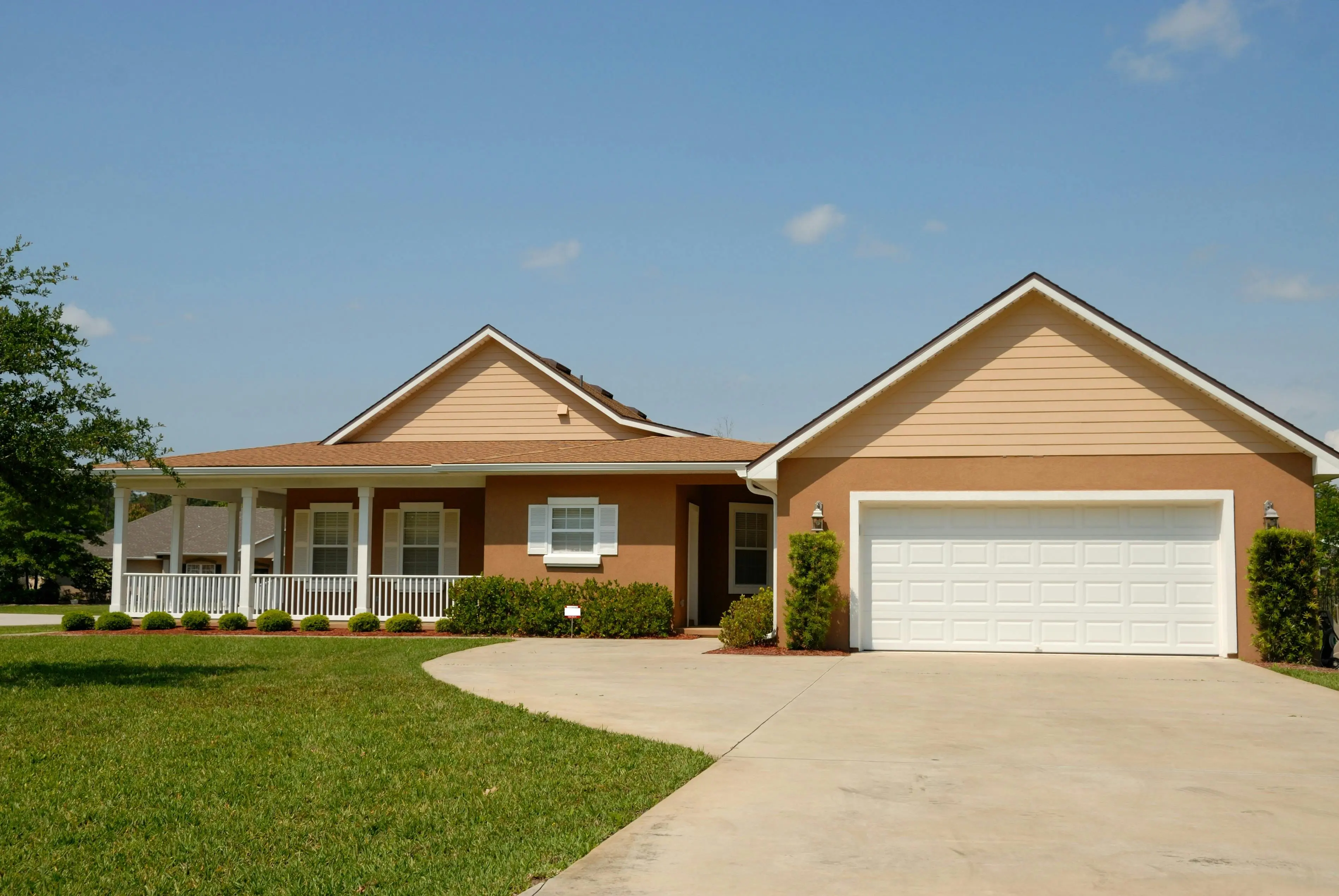
A durable driveway doesn’t start at the surface, it starts with a strong foundation. Choosing the right base material is critical, and a crushed limestone base for driveways is one of the most reliable and cost-effective solutions available today.
What Is a Crushed Limestone Driveway Base?
A crushed limestone driveway base is a compacted layer of angular limestone stones placed beneath the surface layer of a driveway. These stones vary in size and often include fine particles that help bind the material together. Unlike loose gravel, crushed limestone compacts tightly to create a solid, load-bearing surface that supports vehicles while maintaining proper drainage.
Why Crushed Limestone Is Ideal for Driveway Foundations
Homeowners often face issues like cracking, sinking, and water pooling. These problems are usually caused by a poorly constructed base. Crushed limestone addresses these concerns effectively.
Strong and Stable Foundation
The angular edges of crushed limestone lock together when compacted. This interlocking effect creates a firm base that can handle the weight of vehicles without shifting or settling unevenly.
Excellent Drainage Properties
One of the standout features of a crushed limestone driveway base is its ability to allow water to pass through. Instead of collecting on the surface, water drains through the base layer, reducing the risk of erosion and structural damage.
Budget-Friendly Material
Compared to asphalt or concrete, crushed limestone is significantly more affordable. It delivers excellent performance at a lower cost, making it a popular choice for residential driveways.
Types of Crushed Limestone for Driveways
Not all limestone is the same. Choosing the right type is essential for achieving the best results.
¾ Inch Minus Limestone (Dense Grade Aggregate)
This is the most commonly used material for driveway bases. It contains a mix of stone sizes along with fine particles, allowing it to compact tightly and form a stable surface.
1½ Inch Minus Limestone
This larger grade is ideal for areas with soft or unstable soil. It provides extra strength and improves load distribution.
#8 Limestone (Clean Stone)
This type contains uniformly sized stones without fines. While it offers good drainage, it does not compact well, so it is typically used as a top layer rather than a base.
#53 Limestone Mix
This blend includes crushed limestone and lime dust, making it suitable for rural driveways or areas that require soil stabilization.
How to Plan a Crushed Limestone Driveway Base
Proper planning is just as important as choosing the right material. A well-planned base ensures long-term durability and performance.
Determining the Right Thickness
The thickness of your driveway base depends on how it will be used.
- Light vehicles: 4 to 6 inches
- Standard residential use: 6 to 10 inches
- Heavy vehicles or equipment: 10 to 12 inches
Thicker bases provide better load distribution and prevent future damage.
Ensuring Proper Slope for Drainage
A slight slope is essential to keep water from pooling on the surface. A typical recommendation is a 2% slope, which helps direct water away from the driveway.
Step-by-Step Installation of a Crushed Limestone Base
Installing a crushed limestone base for driveways requires careful preparation and proper layering. Skipping steps can lead to long-term problems.
1. Site Preparation
Start by clearing the area of grass, roots, and organic material. Excavate the site to the required depth based on your planned base thickness.
2. Subgrade Leveling
Once excavated, level the soil and create a slight slope to support drainage. A stable subgrade is essential for preventing future sinking.
3. Installing Geotextile Fabric
Although optional, adding a geotextile fabric layer is highly recommended. It prevents soil from mixing with the limestone and improves the overall stability of the driveway.
4. Laying the First Layer
Spread a layer of coarse crushed limestone evenly across the surface. This initial layer forms the foundation of your base.
5. Compaction
Use a plate compactor to compress the limestone. Proper compaction is critical, as it locks the stones together and eliminates air gaps.
6. Adding Additional Layers
Build the base in layers of about 3 to 4 inches, compacting each layer thoroughly before adding the next. This step-by-step approach ensures maximum strength.
7. Final Grading and Inspection
After reaching the desired thickness, level the surface and check the slope. Fill any low spots and compact again to create a smooth, even base.
Maintenance Tips for a Long-Lasting Driveway
A crushed limestone driveway base is relatively low-maintenance, but regular care will extend its lifespan.
Replenishing the Surface
Over time, some material may shift or wear away. Adding a fresh layer of limestone every few years helps maintain stability.
Fixing Minor Issues Early
Address small ruts or depressions as soon as they appear. Early repairs prevent larger and more costly problems.
Cost of a Crushed Limestone Driveway Base
The cost of installing a crushed limestone driveway base depends on several factors, including material quality, labor, and location.
In general, crushed limestone is:
- More affordable than concrete or asphalt
- Cost-effective for large areas
- Suitable for both DIY and professional installation
While professional installation may cost more upfront, it often results in better long-term performance.
Crushed Limestone vs Other Driveway Base Materials
When compared to other options, crushed limestone stands out for its balance of performance and affordability.
- Better compaction than loose gravel
- More flexible than concrete, reducing cracking
- Lower cost than asphalt installations
These advantages make it a preferred choice for homeowners seeking durability without overspending.
Key Takeaway
A crushed limestone base for driveways offers an ideal combination of strength, affordability, and drainage. It provides a stable foundation that supports daily use while minimizing long-term maintenance costs.
By selecting the right type of limestone, following proper installation practices, and maintaining the surface regularly, you can create a driveway that remains durable and functional for years to come.
Common Questions About Limestone Driveway Bases
It can, but removing topsoil and organic material is strongly recommended to prevent future settling.
With proper installation and maintenance, it can last for decades.
Yes, especially when installed at the proper thickness and compacted correctly.
No, but occasional leveling and topping up will help maintain its condition.