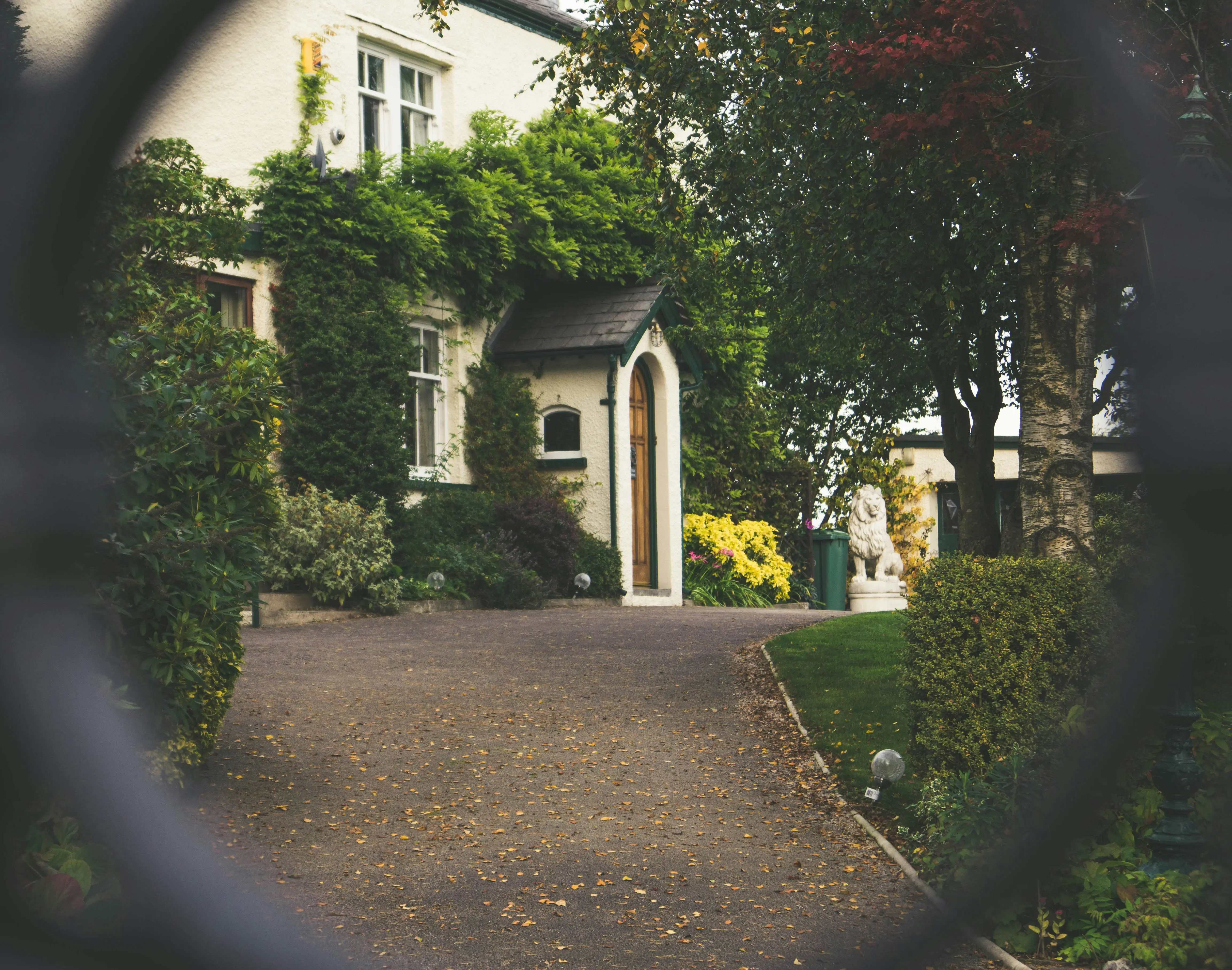
When people think about what makes a luxury home stand out, they usually picture the architecture, the landscaping, maybe the front door. The driveway rarely gets mentioned first, yet it's often the very first thing a visitor actually walks or drives across. Get the material wrong and even a beautifully designed home can feel slightly off. Get it right, and the driveway quietly does its job, it ties the whole property together, holds up to years of wear, and adds real value.
Why the Driveway Material Actually Matters
On a luxury property, there's no such thing as an exterior detail that "doesn't count." The driveway is typically one of the largest surfaces anyone sees from the street, so it carries more visual weight than most homeowners realize. Choosing well gets you:
- A look that genuinely matches the home's style instead of fighting against it
- A surface that can take whatever the local weather throws at it
- Less time and money spent on upkeep down the road
- A bump in resale value when the property eventually goes on the market
Think of it less as a paving decision and more as an investment that happens to be underfoot.
What to Think About Before You Pick a Material
A few practical questions tend to separate a good driveway choice from a regretted one.
How's the climate where you live? Some materials simply handle certain conditions better. Natural stone, for instance, shrugs off intense heat, while permeable pavers earn their keep in places that get hammered with rain.
How much upkeep are you actually willing to do? Most luxury homeowners would rather not spend weekends sealing and scrubbing. Some materials ask for regular sealing or cleaning; others are content to be left alone.
Can it handle the weight? Vehicles are heavy, and a driveway that cracks or sinks under normal use isn't doing its job. Concrete and stone tend to be the strongest performers here.
Does it fit the house? A sleek modern home and a traditional brick colonial call for very different driveway personalities.
Will it still look good in twenty years? The best materials aren't just attractive on installation day, they're built to age well.
The Materials Worth Considering
Concrete
Concrete gets overlooked sometimes because it sounds plain, but modern stamping and staining techniques have changed that completely. It's strong, it lasts, and it can be dressed up to mimic the look of brick or stone at a fraction of the cost which makes it one of the more practical "luxury" options on this list, especially for contemporary homes.
Asphalt
Asphalt won't win any design awards, but it earns its place on this list through sheer practicality. It goes in fast, it gives you a clean, smooth finish, and it costs noticeably less than most of the alternatives here. For a contemporary home that wants understated rather than ornate, that's often exactly the right call.
Natural Stone
Granite, limestone, cobblestone, natural stone is about as close to a "can't go wrong" choice as driveway materials get. It has an old-world, high-end quality that's hard to fake, it holds up to heavy use for decades, and no two installations look quite the same because the patterns and textures are naturally one-of-a-kind. If your landscaping already leans upscale, stone tends to slot right in.
Pavers
Pavers are popular for a simple reason, they're flexible. Because they're laid piece by piece, you can get almost any color, pattern, or shape combination you want, and the interlocking design resists cracking better than a single poured slab. Repairs are also straightforward, since a damaged paver can be lifted out and replaced without disturbing the rest.
Brick
There's a reason brick driveways show up so often on traditional luxury estates: the warm, reddish tones age beautifully, the material is genuinely tough, and if a section ever gets damaged, you can swap out individual bricks instead of redoing the whole surface. It's a forgiving material in that sense.
Gravel
Gravel has a way of looking rustic and refined at the same time, particularly on large estates with long approach drives. It's inexpensive, it drains well even in heavy rain, and there's something about a crushed-stone drive winding through mature landscaping that suits sprawling properties in a way pavement sometimes can't.
So Which One Wins?
There isn't a single right answer, it really comes down to what you're optimizing for:
- Concrete: Best when you want strength plus the freedom to customize
- Asphalt: A smart choice for clean, modern simplicity
- Natural stone: The top pick if luxury appeal and durability matter most
- Pavers: Hard to beat if design flexibility is the priority
- Brick: The go-to for classic, traditional charm
- Gravel: Well suited to large properties that want a more natural feel
The "best" material is really the one that lines up with your home's style, your climate, and how much maintenance you're realistically going to keep up with.
A Few Design Touches Worth Considering
Picking the right material is really only step one. What separates a driveway that looks "fine" from one that looks intentional is usually in the smaller details around it.
Borders
Even a simple contrasting edge can make a huge difference. It signals that the driveway was actually designed, rather than just being a slab someone poured between the street and the garage.
Lighting
A few well-placed lights along the edges aren't just for show, though they do look great after dark. They also make the approach safer for anyone walking up at night.
Landscaping
Plantings, a few well-placed urns, even a small fountain or water feature nearby can turn a plain stretch of pavement into part of the overall arrival experience.
Layout
Circular driveways keep showing up in luxury homes for good reason. They look impressive from the street, sure, but they're also just easier to live with no awkward three-point turns, no backing out into traffic.
Keeping It Looking Good Long-Term
No matter which material you go with, a little routine care goes a long way:
- Clean regularly so stains and grime don't have time to set in
- Seal concrete or stone surfaces on schedule rather than waiting until they look worn
- Patch small cracks right away, they only get more expensive to fix later
- Make sure drainage is working properly, since standing water is behind a lot of premature driveway damage
Final Thoughts
When it comes down to actually choosing, a few questions are worth sitting with: Does this match my home's architecture? What's my budget, both now and over the next decade? What does the local climate demand? And honestly, how much maintenance am I willing to commit to?
If you're still unsure, it's worth talking to a professional who installs these surfaces regularly, they'll have a much better sense of what holds up in your specific climate and soil conditions than any general guide can offer.
If you want help getting the details right, Drivewayz USA works specifically in driveway materials and design, and we can walk you through what actually fits your home's style and how it'll hold up over time.
Frequently Asked Questions
Natural stone and pavers are usually considered the top picks, mainly because they combine durability with a genuinely high-end appearance.
Concrete and asphalt are generally the lowest-maintenance options, especially compared to gravel or brick.
Definitely. They're popular precisely because they offer design flexibility, hold up well over time, and are easy to repair piece by piece.
With proper care, stone and concrete driveways can realistically last for decades.
Yes, the right material genuinely boosts curb appeal, and that translates into real value when it's time to sell.