
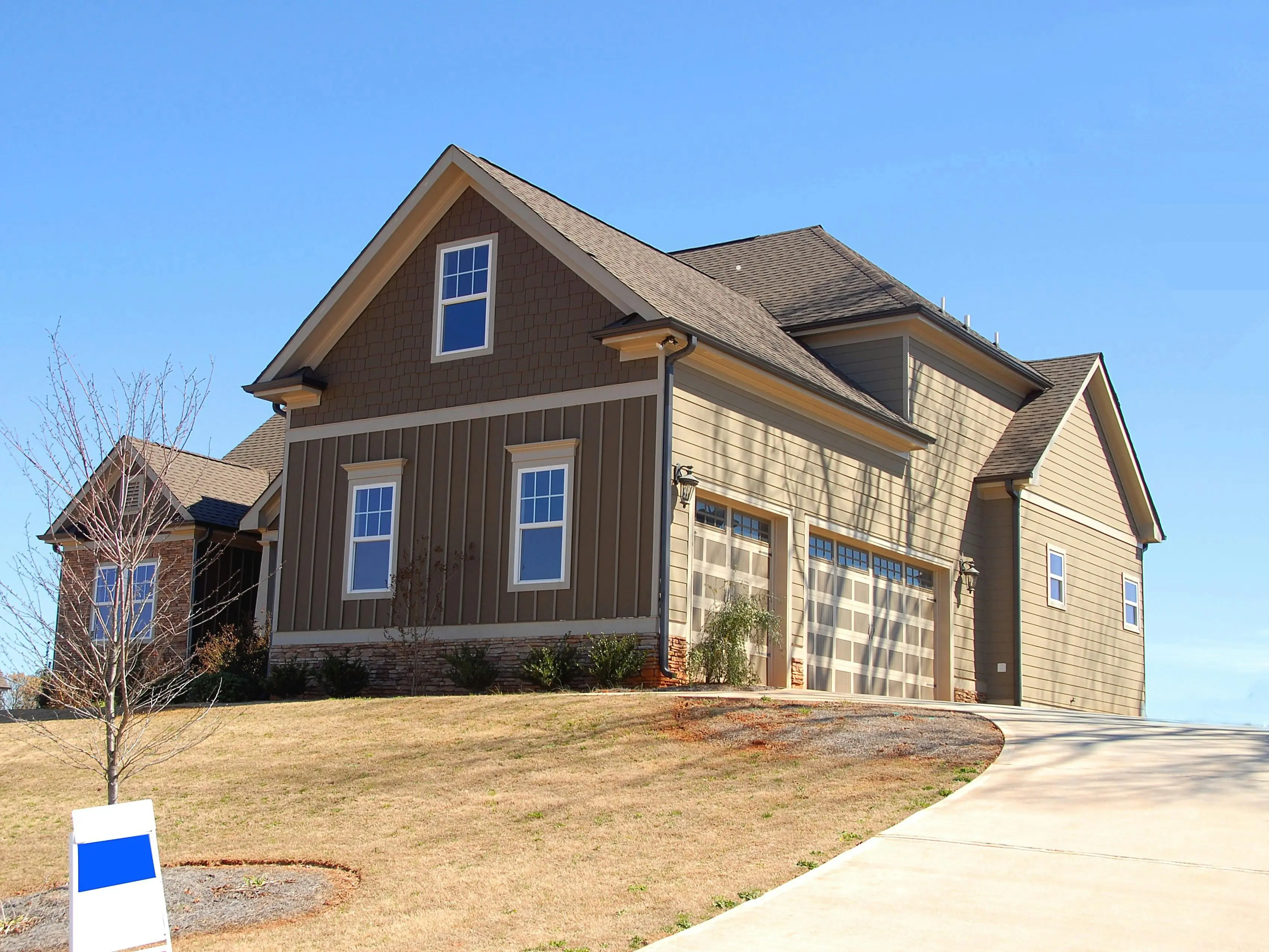
Your driveway is one of the first things people notice about your property, and it's also one of the hardest-working surfaces on it. Cars roll over it every day, it takes the brunt of sun, rain, and temperature swings, and yet most homeowners only think about it once it starts cracking or crumbling. If you're shopping around for a surface that can handle all of that without constant upkeep, basalt deserves a serious look. It's not the flashiest name in the driveway world, but once you understand what it brings to the home, it's easy to see why so many homeowners and contractors are switching to it.
What Exactly Is a Basalt Driveway?
Basalt is volcanic rock, it forms when lava cools quickly at or near the earth's surface. That rapid cooling process is what gives basalt its dense, fine-grained structure, and that structure is exactly why it holds up so well under constant pressure. A busy driveway like vehicles coming and going, seasonal freeze-thaw cycles, the occasional dropped tool or heavy delivery, basalt shrugs most of that off.
You'll typically find basalt sold in three forms, crushed stone, pavers, or solid slabs, so there's room to design around your budget and your home's style rather than being locked into one look. And unlike softer or more brittle paving materials, basalt doesn't easily crack or shift out of place once it's properly laid, which is a big reason it's now showing up in commercial projects too, not just residential ones.
What Makes Basalt Worth Considering?
There are dozens of paving materials on the market, so what actually sets basalt apart? A few things, really:
- It shrugs off weather extremes like heat, cold, rain without eroding
- It holds up under heavy, repeated loads without breaking down
- It barely needs upkeep once it's installed correctly
- Its texture naturally resists slipping, even when wet
- The dark, rich coloring stays put instead of fading in the sun
Basalt installation has become such a popular long-term investment rather than just another paving trend.
The Different Forms Basalt Comes In
Not every basalt driveway looks the same, and that's partly the point, the material flexes to fit different budgets and design goals.
Basalt Slabs
This is the high end of the spectrum, large, smooth slabs that create a sleek, almost seamless surface. If your home leans modern or you're going for a high-end landscaping look, slabs tend to deliver the most polished result, though they come with a higher price tag to match.
Crushed Basalt
This is the most budget-friendly route and probably the one you'll see most often. The stone gets compacted into a firm, stable surface that drains well and has a relaxed, natural texture. If you want something solid without spending a fortune, this is usually the starting point.
Basalt Pavers
Want something a little more refined? Pavers are cut to uniform sizes and arranged in patterns, giving you a cleaner, more architectural finish. They're a favorite for homeowners who want their driveway to feel intentional rather than just functional.
How Basalt Driveways Actually Get Installed
A basalt driveway is only as good as the work that goes into laying it. Skipping steps likely results in dealing with shifting, pooling water, or an uneven surface down the line.
Step One - Prepping the Site
Before any stone goes down, the area gets cleared and graded. This stage matters more than people expect, an uneven or unstable base is the root cause of most driveway problems that show up years later.
Step Two - Laying the Base
Next comes a compacted gravel base. This layer does the heavy lifting in terms of drainage and weight distribution, giving the basalt above it something solid to rest on.
Step Three - Placing the Basalt
Depending on which form you've chosen, crews either spread and compact crushed basalt or carefully position and align pavers and slabs. This step takes patience, getting the alignment right now is what keeps the surface looking sharp for years.
Step Four - Sealing and Finishing
Some installations call for a sealant to guard against staining and add a bit of extra longevity. Edging usually gets added at this point too, helping keep everything locked in place over time.
Keeping Your Basalt Driveway in Good Shape
Basalt isn't demanding. But "low maintenance" doesn't mean "no maintenance", a little attention goes a long way toward making sure it lasts as long as it's capable of lasting. A few habits worth picking up:
- Sweep or rinse off dirt and debris every so often
- Top off joint material if you've gone with pavers
- Deal with small cracks or shifts before they turn into bigger ones
- Make sure water has somewhere to drain instead of pooling
How Does Basalt Stack Up Against Other Materials?
If you're cross-shopping driveway materials and most people are, here's how basalt compares to the usual suspects.
Basalt vs Concrete
Concrete is everywhere for a reason, but it's prone to cracking as temperatures shift through the seasons. Basalt holds up better under those same conditions and gives you a more organic, natural look in the process.
Basalt vs Asphalt
Asphalt wins on upfront cost, no question. But it also demands more frequent resurfacing and patchwork over time. Basalt costs more initially but tends to need far less attention down the road.
Basalt vs Gravel
Loose gravel is cheap but it migrates, scatters, and needs constant re-leveling. Crushed basalt gives you a similar rustic aesthetic while staying put and holding its shape far better.
Is Basalt the Right Call for Your Home?
If durability and low upkeep are high on your priority list and you like the natural, understated look basalt offers, this material is hard to beat. Yes, you'll likely pay more upfront than you would for gravel or asphalt. But when you factor in how rarely basalt needs repairs or replacement, that initial cost tends to even out, and often comes out ahead, over the life of the driveway.
Before committing, it's worth walking through your property's specific conditions like slope, soil, drainage, how much traffic the driveway sees along with your personal style preferences. That groundwork makes the installation process smoother and the end result more satisfying.
Final Thoughts
Basalt is one of those materials that just makes sense, once you factor in durability, appearance, and what your driveway is actually worth over time. It's tough to beat. You can go the budget-friendly route with crushed basalt, opt for pavers if you want a more structured look, or splurge on slabs for that high-end finish, either way, you end up with a surface that'll hold up for decades rather than wearing out after a handful of seasons.
Of course, picking the right basalt option (and getting the installation done right) isn't always straightforward. That's where a company like Drivewayz USA comes in, we've got the resources and know-how to help walk you through the decision-making process. And honestly, starting off with a knowledgeable team tends to pay off later, both in how the driveway looks day one and how well it ages over the years that follow.
Frequently Asked Questions
With a proper installation, basalt driveways commonly last for several decades. The stone's natural density is what gives it that kind of staying power.
Pretty much anywhere. Basalt handles heat, cold, and moisture well, which is part of why it works across such a wide range of regions and weather patterns.
Not strictly, but sealing can offer extra protection against stains and may extend its lifespan, particularly if the driveway sees a lot of daily traffic.
Generally, yes, especially compared to gravel or asphalt. But because it needs less repair and replacement over time, many homeowners find it pays for itself in the long run.
Absolutely. Basalt pairs well with concrete, brick, and other materials, which opens the door to a lot of custom design combinations.