
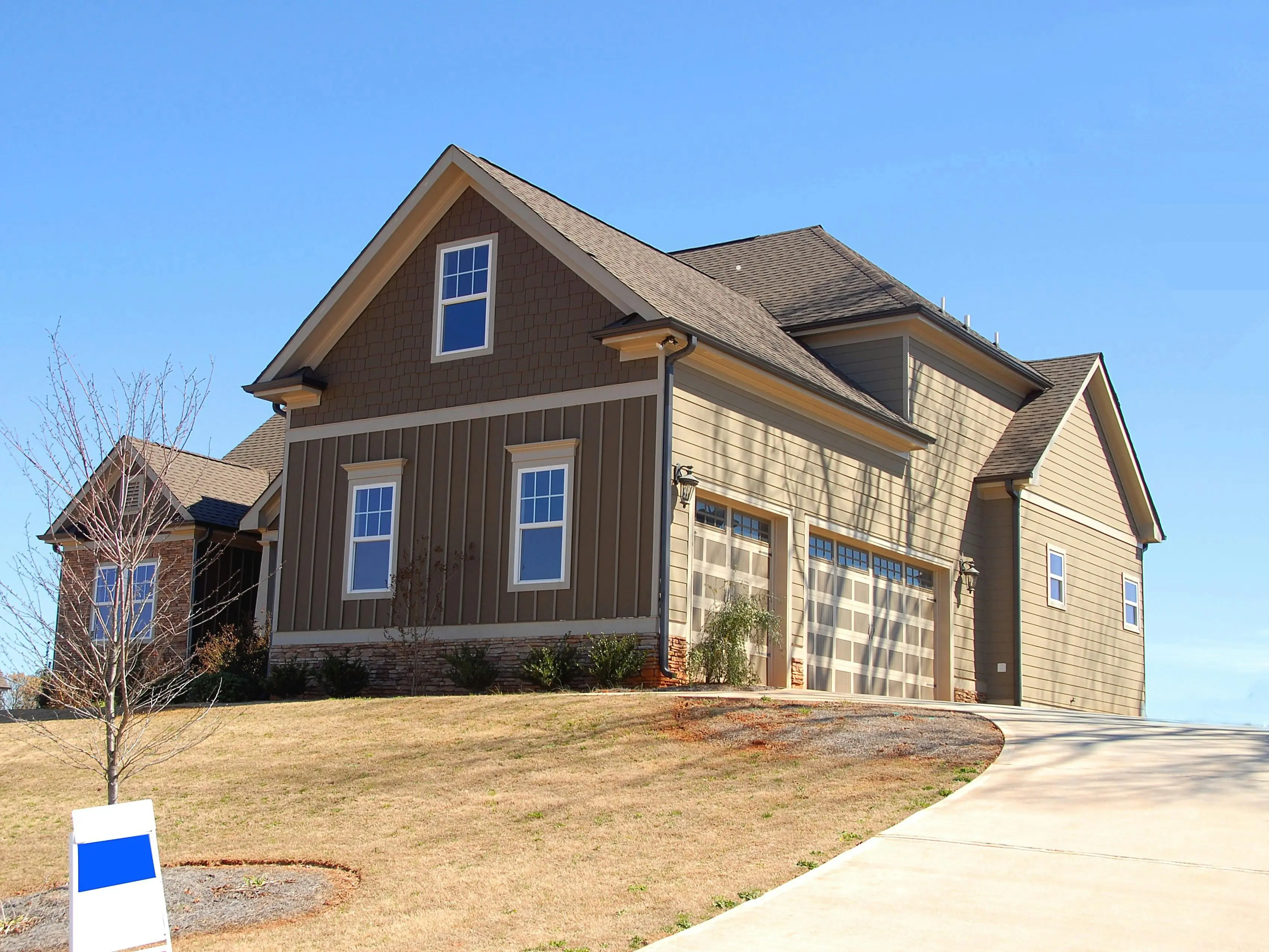
Why Stagging Your Driveway for Open House Events Matters
First impressions form in seven seconds. For buyers, that clock starts ticking the moment their tires hit your driveway. A cracked, oil-stained slab whispers “deferred maintenance,” while a crisp, clean entrance shouts “move-in ready.” Stagging your driveway for open house events isn’t vanity—it’s strategic. It frames the entire property, boosts perceived value, and photographs beautifully for online listings. The best part? You can transform most driveways in a single weekend without blowing the marketing budget.
Step 1: Evaluate & Plan
Walk the Driveway Like a Buyer
Grab a clipboard and a critical eye. Start at the curb and move slowly toward the garage. Note every weed, crack, rust stain, and faded edge. Take photos with your phone—buyers will. Rank issues A-B-C: A = safety hazard or eyesore, B = visible but minor, C = only you would notice. Tackle A-list items first.
Measure the Impact Zone
Real-estate photographers shoot three angles: street view, mid-drive, and close-up at the front door. Measure the sections that fall inside each frame (usually the first 20 ft and the apron). Focus 80 % of your effort here; the rest can be “good enough.”
Pick a Theme That Matches the House
A modern farmhouse begs for clean edges and dark sealant; a cottage-style home loves warm gray tones with cobblestone accents. Choose one cohesive palette so the driveway feels like part of the architecture, not an afterthought.
Step 2: Deep-Clean for Maximum Curb Appeal
Rent a Commercial-Grade Surface Cleaner
Big-box stores rent 20-inch surface washers for $45–$60 a day. They cut cleaning time by 70 % and leave zero “wand marks.” Pair with a 3,000-psi pressure washer and a 15-degree tip for edges. Work at dawn to avoid rapid re-soiling from sun bake.
Attack Oil Spots With the Right Chemistry
- Fresh drips: Cat litter overnight, sweep, then spray degreaser.
- Old stains: Apply Oil-Flo Safety Solvent, agitate with a stiff broom, cover with plastic for 30 min, rinse.
- Shadow residue: Spot-seal with a tinted acrylic sealer so the patch disappears.
Edge Like a Pro
Grass creeping over the border screams neglect. Use a half-moon edger or a stick edger with a metal blade. Cut a 1-inch gap, then blow debris back onto the lawn so it mulches in place. Finish with a shot of glysophate on the crack line to slow regrowth before open day.
Step 3: Quick Fixes That Pass the Drive-By Test
Fill Cracks the Buyer Won’t Notice
Use a self-leveling, gray polyurethane caulk for gaps ¼–½ in. Cut the tube tip at a 45° angle, squeeze slightly below surface, dust with play sand while wet—it blends with concrete texture. For hairline cracks, brush on a micro-topping overlay; it dries in two hours and accepts sealer overnight.
Patch Potholes in One Visit
- Square the edges with a cold chisel for better adhesion.
- Brush in a bonding agent so new asphalt bites old.
- Add ½ in. lifts of cold-patch, tamping each layer with a 4×4 post; finish with a steel tamper.
- Top-coat with driveway sealer blended with 1 cup of portland cement to color-match older pavement.
Replace Individual Pavers
Loose or cracked pavers are a trip hazard. Pop them with two flat screwdrivers, swap in extras from the back edge of the garden bed (they’re already weather-matched), sweep polymeric sand into joints, mist to set. Ten minutes, zero mismatch.
Step 3: Stage the Space for Emotional Impact
Create a “Parking Valet” Feel
Place two identical planters—24-in. tall, dark ceramic—at the outer corners where buyers will park. Fill with evergreen dwarf spruces and white cyclamen for year-round pop. Add a third smaller pot closer to the walkway to guide the eye toward the front door.
Define the Border
A crisp border frames the driveway like a picture frame. Options:
- Low-voltage LED stake lights every 6 ft (install in 30 min, $3 each).
- Fresh mulch 2 in. deep along the edge, pulled back ½ in. from concrete to avoid staining.
- Decorative gravel band: 12-in. strip of ¾-in. river rock in a contrasting color; lay landscape fabric first.
Add a Focal Point at the Turnaround
If you have a circular pad, drop a 30-in. cast-stone urn on a paver base. Plant a dwarf Japanese maple or seasonal annuals. From the street, it reads “estate,” not “asphalt.”
Step 4: Seal for a New-Driveway Shine
Choose the Right Sealer
- Asphalt: Acrylic-based “jet-black” sealer with 2-year gloss retention. Skip coal-tar versions—buyers smell them for weeks.
- Concrete: High-solids silane-siloxane penetrating sealer for matte finish, or tinted decorative sealer for a warm “sand” tone.
- Pavers: Polyurethane-enhanced joint stabilizing sealer; brings out color without gloss.
Time It Perfectly
Apply 5–7 days before the open house so off-gassing is gone and surface scuffs have settled. Night temps must stay above 50 °F for 24 h. Tape the mailbox flyer: “Freshly sealed—please remove shoes if walking on surface” to protect the cure.
Roll, Don’t Spray (for DIY)
A ¾-in. nap roller on a threaded broom handle gives even coverage and prevents the “zebra stripes” that cheap pump sprayers leave. Work in 4×4 ft sections, cross-roll edges, and keep a wet edge to avoid lap marks.
Step 5: Photograph the Finished Look
Golden-Hour Rule
Schedule the photographer for the morning after sealing. Wet-looking asphalt photographs richer, and low-angle sun hides minor imperfections. Ask for a 3-ft-high drone shot—it shows the driveway’s full geometry and how it ties into landscaping.
Stage a Car (Yes, Really)
A clean, mid-range SUV parked dead-center gives scale and subconsciously answers “Will my car fit?” Wipe tires first to avoid leaving fresh tracks on the sealer.
Budget Cheat-Sheet: From Quick to Classy
| Service | DIY Cost | Pro Cost (avg. 600 ft²) | Impact Rating* |
|---|---|---|---|
| Pressure wash + edge | $65 rental | $150 | High |
| Crack fill & patch | $40 materials | $250 | High |
| Sealcoat asphalt | $120 | $350 | Very High |
| Planter staging (2 large) | $110 | $200 installed | Medium |
| LED border lights (10) | $60 | $400 wired | Medium |
*Impact rating is buyer perception, not cost.
48-Hour Countdown Checklist
- Day –2: Final wash, let dry 24 h.
- Day –1: Seal in morning, stage planters at dusk when surface is tack-free.
- Morning of: Blow off overnight leaves, wipe planter rims, place fresh welcome mat at the entry walk, open house signs aligned with driveway edges for symmetry.
FAQ: Stagging Your Driveway for Open House Events
Seal 5–7 days ahead. That window lets the coating cure fully, eliminates the “fresh tar” smell, and gives you time to touch up any scuffs from contractor trucks or your own staging items.
No. Sealers won’t bond to petroleum residue. Degrease, rinse, and re-spot prime with a specialty oil-prep detergent first; otherwise the stain bleeds through and looks worse in listing photos.
They can. Set pots on saucers or thin rubber pads. For extra protection, brush a 12-in. ring of clear acrylic over the sealer where the pot sits—any future stain gets trapped in the sacrificial coat.
If you have more than 100 linear ft of cracking or any alligator pattern, hire it out. Pros inject rubberized fill that flexes with seasonal movement, preventing reopening before closing day. Spot repairs under 20 ft are easy DIY with a $12 tube of polyurethane caulk.