
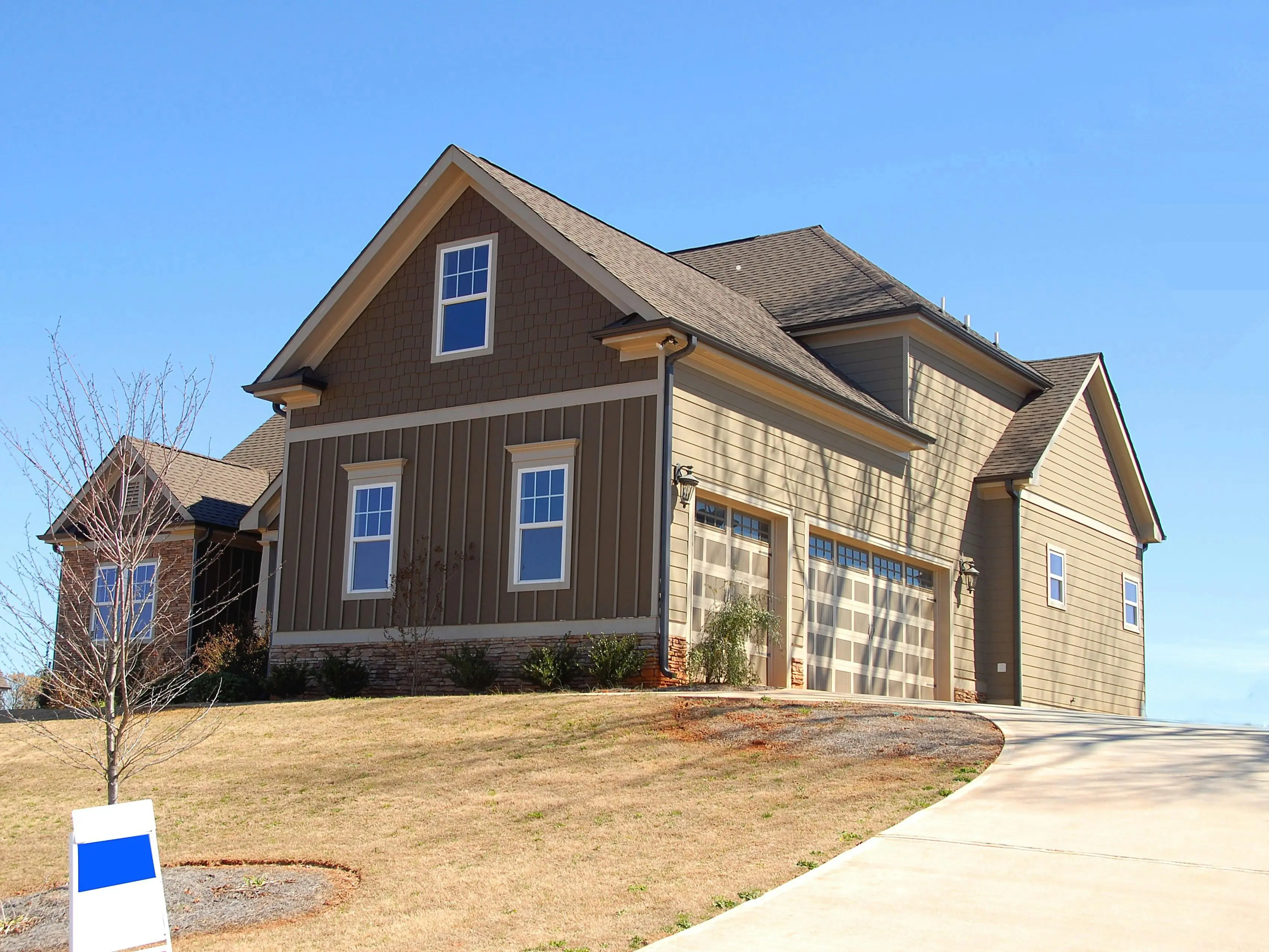
Small Driveway Cost Overview: What to Expect for Under 500 Sq Ft
Thinking about replacing that cracked strip of concrete or finally paving the side yard? A small driveway—anything under 500 square feet—can transform curb appeal without draining your savings. Most homeowners pay $2,400–$5,800 for a new 12-ft × 30-ft (360 sq ft) asphalt driveway, while the same size in decorative concrete starts around $4,300 and can climb past $7,000 with stamping and color.
The good news: because the area is modest, every decision you make—material, base prep, edge finish—has an outsized impact on the final price. In this guide we’ll break down real-world small driveway cost numbers, show where you can shave hundreds off the bid, and give you a simple checklist to get apples-to-apples quotes from local installers.
Material-by-Material Small Driveway Cost Breakdown
Below are 2024 national averages for a 360 sq ft driveway (12 × 30 ft) with 4-in base and standard 4-in pavement thickness. Add or subtract 10 % for regional labor swings.
Asphalt (Hot-Mix)
- Material & labor: $6.50 – $9.00 per sq ft
- 360 sq ft total: $2,340 – $3,240
- Life span: 15–20 years with sealcoat every 3–4 years
- Best for: Cold climates, tight budgets, fast install (1 day)
Plain Concrete (Broom Finish)
- Material & labor: $9.50 – $12.00 per sq ft
- 360 sq ft total: $3,420 – $4,320
- Life span: 25–30 years
- Best for: Clean look, low maintenance, warmer climates that don’t use de-icing salt heavily
Stamped & Colored Concrete
- Up-charge: +$4.00 – $7.00 per sq ft over plain concrete
- 360 sq ft total: $4,800 – $6,800
- Design options: Slate, brick, cobblestone patterns; 10+ integral colors
Interlocking Concrete Pavers
- Material & labor: $11.00 – $15.00 per sq ft
- 360 sq ft total: $3,960 – $5,400
- Perks: DIY-friendly repairs, instant drive-off use, 50-year life if base is correct
Gravel (¾-in Crushed Limestone)
- Material & labor: $1.25 – $2.50 per sq ft
- 360 sq ft total: $450 – $900
- Annual upkeep: Fresh rake, maybe 2–3 tons new stone ($120 delivered)
DIY vs. Pro: Where You Can Save on a Small Driveway
Small size tempts weekend warriors. Here’s the honest math:
Gravel: 100 % DIY Friendly
- Rent a skid-steer for 4 hrs ($180) and spread 18 tons of ¾-in gravel ($30 per ton delivered).
- Total DIY: $720 vs. pro bid $900. Savings: $180—but you’ll sweat.
Concrete: Think Twice
- A 360 sq ft slab 4-in thick needs 4.5 yd of concrete. Short-load delivery (metered truck) costs $140 per yd after fees—almost the same as a full truck price.
- One mistake in finishing and you’re grinding or patching for life.
- Rule of thumb: If you can’t get a full truck to the site, hire a crew.
Asphalt: Leave It to the Pros
Hand-lay “cold patch” bags are not driveway grade. Hot-mix must arrive at 300 °F and be compacted before it drops below 175 °F. That timeline demands a paver machine and a 3-ton roller—equipment worth more than your entire project cost.
Smart Budgeting Hacks for Small Driveways
Use these tactics to keep the final invoice under the national median.
1. Schedule Off-Season
Book asphalt work in late fall or early spring when plants run lean; crews drop labor rates 8–12 %.
2. Share a Load
Ask neighbors if they need a patch. One full 20-ton load can service two 350 sq ft drives, cutting material haul costs in half.
3. Choose Standard Sizes
A 10-ft width uses full lumber form boards (no ripping) and one 12-ft rebar grid mat—saves a half-day labor.
4. Edge Restraint Alternatives
Concrete curbs look sharp but add $6 per linear foot. For small pads, steel or plastic paver edging at $1.50 per foot does the job.
5. Sealcoat Later
Let asphalt cure 90 days, then DIY seal for $90 in material vs. pro price $1.20 per sq ft.
Timeline: How Fast Can a Small Driveway Be Done?
- Day 0: Call 811 for utility mark-out (free, 2–3 business days).
- Day 1: Tear-out (if needed) and base prep—4 hrs with mini-excavator.
- Day 2: Install pavement (asphalt 3 hrs, concrete 5 hrs including finish).
- Day 3–7: Concrete cures; asphalt open to light traffic after 24 hrs.
Weather window: Air ≥ 50 °F and no rain for 24 hrs (concrete) or 12 hrs (asphalt).
ROI & Curb Appeal: Is a Small Driveway Worth It?
Remodeling magazine’s 2024 Cost vs. Value Report puts a new asphalt driveway at 103 % resale value in the East-South-Central region. Even a modest 300 sq ft apron refresh can lift a home’s perceived value by $4,000–$6,000 because buyers equate “new driveway” with “no immediate expenses.”
Photographers love a clean front elevation; listings with fresh pavement get 30 % more click-throughs on Zillow, according to internal data from Drivewayz USA agents.
Quick Quote Checklist for Homeowners
Hand this to each contractor and you’ll receive comparable bids in 24 hrs.
- Square footage: ______ (length × width)
- Existing material: asphalt / concrete / gravel / none
- Prefer tear-out or overlay? ______
- Base thickness quoted: ______ in
- Surface thickness quoted: ______ in
- Edge finish: ribbon curb / beveled / none
- Sealer or cure included? Y / N
- Permit & call 811 handled? Y / N
- Total days jobsite occupied: ______
- Warranty length: ______ years
Frequently Asked Questions About Small Driveway Cost
Gravel is the lowest upfront cost at $1.25 – $2.50 per sq ft installed. A 400 sq ft gravel drive runs roughly $600 if you spread it yourself. Factor in $100 per year for top-dressing and weed control, and it’s still cheaper over a 10-year span than any paved surface.
Only if the slab is structurally sound—no heaving, cracks < ½ in, and proper drainage. A 2-in asphalt overlay adds $3.50 – $4.50 per sq ft, about half the cost of full tear-out and new asphalt. Ask your contractor to mill the joints and apply a tack coat for bonding.
Most cities still require a $50 – $150 “approach” or “encroachment” permit any time you modify the public right-of-way (sidewalk to street). Private interior pads often skip permitting, but HOAs may have design rules. Always call the building department first; fines start at $250.
Asphalt: lightweight cars after 24 hrs, full loads after 3 days. Concrete: wait 7 days for passenger vehicles and 28 days for moving trucks or RVs. Gravel: drive on immediately, but don’t twist tires sharply for the first week to avoid ruts.