
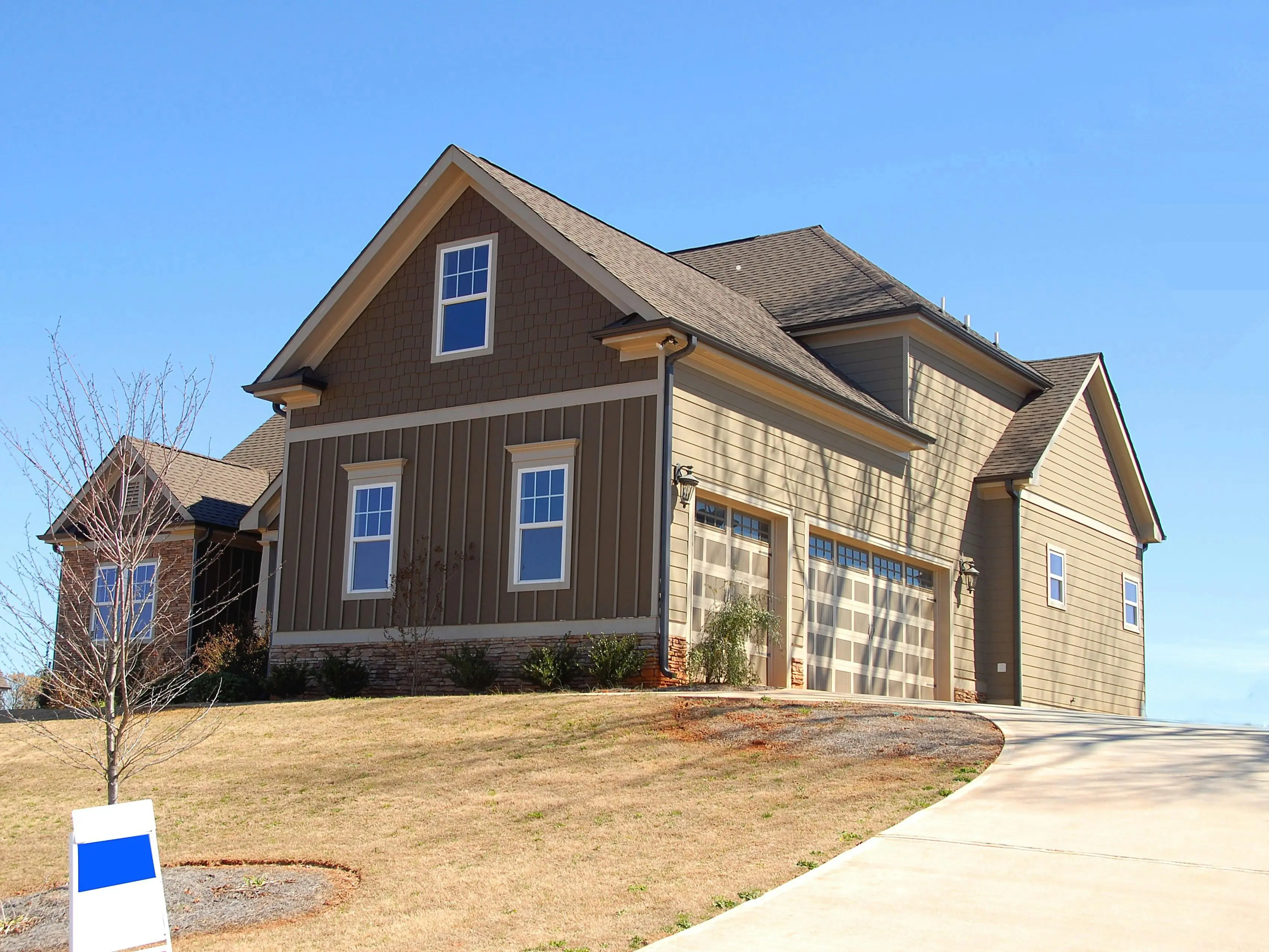
Why Retaining Walls and Driveways Work Better Together
A driveway is more than a place to park—it’s the ribbon that guides guests to your front door. A retaining wall is more than a stack of blocks—it’s the frame that steadies soil, controls water, and adds curb appeal. When you design them as a single system, you get a driveway that lasts longer, looks sharper, and costs less to maintain.
DrivewayZ crews integrate retaining walls into roughly one-third of our residential projects, usually because the grade drops more than 8 in. over the drive’s width. If you’re planning a new driveway, widening an existing one, or simply tired of erosion eating your lawn, this guide will show you how to marry the two elements so they work—and age—as one.
Key Benefits of Integrating Retaining Walls and Driveways
1. Stop Soil Erosion Before It Starts
Every raindrop that lands on an unprotected slope picks up soil. Over time, that sediment washes across the drive, leaving ruts and exposing the edge of your asphalt or pavers. A small knee wall (18–24 in.) acts like a dam, keeping soil—and your investment—in place.
2. Gain Parking Space Without a Full Excavation
Instead of cutting deep into a hill and trucking out expensive fill, a series of short terraced walls lets you carve out extra parking pads in 2-ft increments. Homeowners routinely gain 6–8 ft of width for less money than a full cut-and-fill operation.
3. Improve Storm-Water Management
Modern segmental retaining wall (SRW) blocks come with built-in hollow cores. Run a perforated drain tile behind the wall and daylight it into a swale or rain garden next to the drive. You’ll reduce puddles on the pavement and keep hydrostatic pressure from pushing the wall outward.
4. Boost Curb Appeal & Property Value
Realtors tell us that a clean, bordered driveway photographs better and adds 3–5 % to perceived home value. Coordinated colors (paver-to-wall) and outdoor lighting integrated into the wall cap create an upscale look for a modest up-charge.
Step-by-Step Design Process for Homeowners
Step 1: Read Your Slope
Plant two stakes 10 ft apart uphill and downhill of the proposed drive. Tie a string tight, level it with a line level, and measure the drop. If it’s over 1 in. per foot, you’ll need a wall or two. Record the heights every 2 ft so you can see where a short wall (under 3 ft) turns into a tall one that may need an engineer.
Step 2: Pick the Driveway Material First
Your wall stone should echo—not fight—the drive surface.
- Asphalt: Pair with neutral gray concrete block or natural limestone; both hide oil drips.
- Concrete pavers: Match the paver’s border color in the wall cap for a custom look.
- Gravel: Use a wall with a tight fit or glue the capstones; otherwise, stones will migrate into your lawn.
Step 3: Choose the Wall Type
Gravity walls (under 3 ft): Dry-stacked segmental block, no mortar. Good for DIY if you have time.
Reinforced walls (3–6 ft): Geo-grid tied back into compacted gravel. Requires plate compactor and a day of labor.
Engineered walls (over 6 ft or supporting a surcharge like a parked car): Designed by a licensed engineer, built by pros, inspected for footing depth and steel placement.
Step 4: Plan Drainage Together
Water should never run down the joint between wall and pavement. Install a 4-in. perforated drain tile at the wall footing and slope the driveway 2 % toward the street or a side swale. Tie gutter downspouts into the same system so you don’t create a new problem while solving another.
Step 5: Add Functional Extras
- Lighting: Low-voltage LED hardscape lights under the capstone light the drive edge without glare.
- Seat walls: A 20-in.-high wall doubles as overflow seating during parties.
- Planter pockets: Leave 6-in. gaps every 4 ft for colorful perennials; they soften the stone and absorb runoff.
Material Showdown: Which Wall Works Best Next to a Driveway?
Concrete Segmental Block
Pros: Affordable ($10–$15 per sq ft), interlocking pin system, color consistent. Cons: Can look industrial if you skip the capstone.
Natural Stone (Dry-Laid)
Pros: Timeless look, lasts 100 years. Cons: $25–$40 per sq ft, requires skilled mason, can leak sediment if not detailed right.
Treated Timber
Pros: Cheap ($8–$12 per sq ft), easy for DIY. Cons: 15–20 year life, not ideal for load-bearing walls next to cars; check local fire codes.
Poured Concrete with Decorative Veneer
Pros: Strong, clean face, accepts thin brick or stucco veneer. Cons: Higher upfront cost, needs control joints to prevent cracking next to asphalt.
Real-World Cost Ranges (2024 National Averages)
Low Scenario: 30-ft Long, 18-in. Tall Gravity Wall + 12-ft Wide Asphalt Drive Extension
- Excavation & base gravel: $800
- Segmental block, caps, adhesive: $1,200
- Drain tile & fabric: $300
- Asphalt (2 in. overlay): $2.50/sq ft × 360 sq ft = $900
- Total DIY-friendly project: ≈ $3,200
Mid Scenario: 50-ft Long, 4-ft Tall Reinforced Wall + Paver Drive (New 1,000 sq ft)
- Engineering plan: $800
- Excavation, geo-grid, drain system: $4,500
- Segmental block & caps: $6,000
- Concrete pavers (installed): $12/sq ft × 1,000 = $12,000
- Turnkey project: ≈ $23,300
High Scenario: 80-ft Long, 6-ft Tall Engineered Wall + Heated Concrete Drive
- Full geotech report & stamped drawings: $2,500
- Reinforced footing, steel, concrete wall with stone veneer: $28,000
- 12-in. concrete drive with hydronic heat system: $28/sq ft × 1,600 sq ft = $44,800
- Premium project: ≈ $75,000
Tip: Get at least three quotes and ask for a combined bid—some crews will discount the wall if they’re already on-site prepping the driveway base.
Permits, Codes & HOA Rules You Can’t Ignore
When a Permit Is Required
- Wall over 3–4 ft (varies by municipality)
- Any wall supporting a surcharge (driveway, building, slope)
- Work in a drainage easement or right-of-way
Typical Submission Packet
- Site plan showing lot lines, drive layout, wall elevation
- Cross-section detailing footing depth, drain system, geo-grid length
- Engineering stamp (if wall exceeds exempt height)
HOA Landscape Guidelines
Many HOAs cap wall height at 30 in. above grade and require earth-tone colors. Submit material samples early so you don’t eat a redesign fee later.
Long-Term Maintenance Checklist
Every Spring
- Inspect joints for gaps or settling; refill polymeric sand in paver drives.
- Clear drain outlets—use a hose to verify water flows freely.
- Look for new cracks in asphalt or concrete; seal before fall.
Every 3–5 Years
- Reapply sealant to capstones to reduce freeze-thaw spalling.
- Check geo-grid area for bulges; these signal drainage failure.
- Replace any timber that’s turning black or soft.
When You Notice
Water pooling behind the wall: The drain tile is clogged. Hydro-jetting costs ~$300 and can add years to the wall life.
Driveway edge crumbling: Edge restraint may be missing. Install a concrete border or extra paver edging before the break spreads.
DIY or Hire a Pro? A Quick Decision Grid
| Factor | DIY OK | Call DrivewayZ |
|---|---|---|
| Wall height | ≤ 24 in. | > 24 in. or tiered walls |
| Equipment on hand | Plate compactor, diamond blade saw | Need skid-steer, laser level, geo-grid roller |
| Permit required | No | Yes |
| Time available | 2–3 weekends | Want it done in 3–5 days |
Even if you DIY the wall, consider subbing the driveway base. A 6-in. compacted aggregate base is heavy work, and one poorly compacted spot can telegraph cracks for years.
Frequently Asked Questions
Yes, if the wall is over 2 ft tall or if any part of your driveway slopes toward it. A 4-in. perforated pipe wrapped in geotextile fabric prevents hydrostatic pressure that can push the wall outward or cause frost heave in cold climates.
You can, but expect to cut back 2–3 ft of the existing pavement to excavate for the wall footing and drain system. Plan on replacing that section with new asphalt or pavers; the seam between old and new is rarely invisible.
Generally, decorative landscape walls under 4 ft don’t trigger reassessment, but structures that create usable land (like a tall wall that levels a sloped yard) may. Check with your local assessor before you build.
Keep medium-root plants (boxwood, dwarf spirea) at least 3 ft away and large trees (maple, oak) at least 10 ft. Roots seeking moisture can dislodge blocks or crack mortar joints. Use root barrier fabric if you must plant closer.