
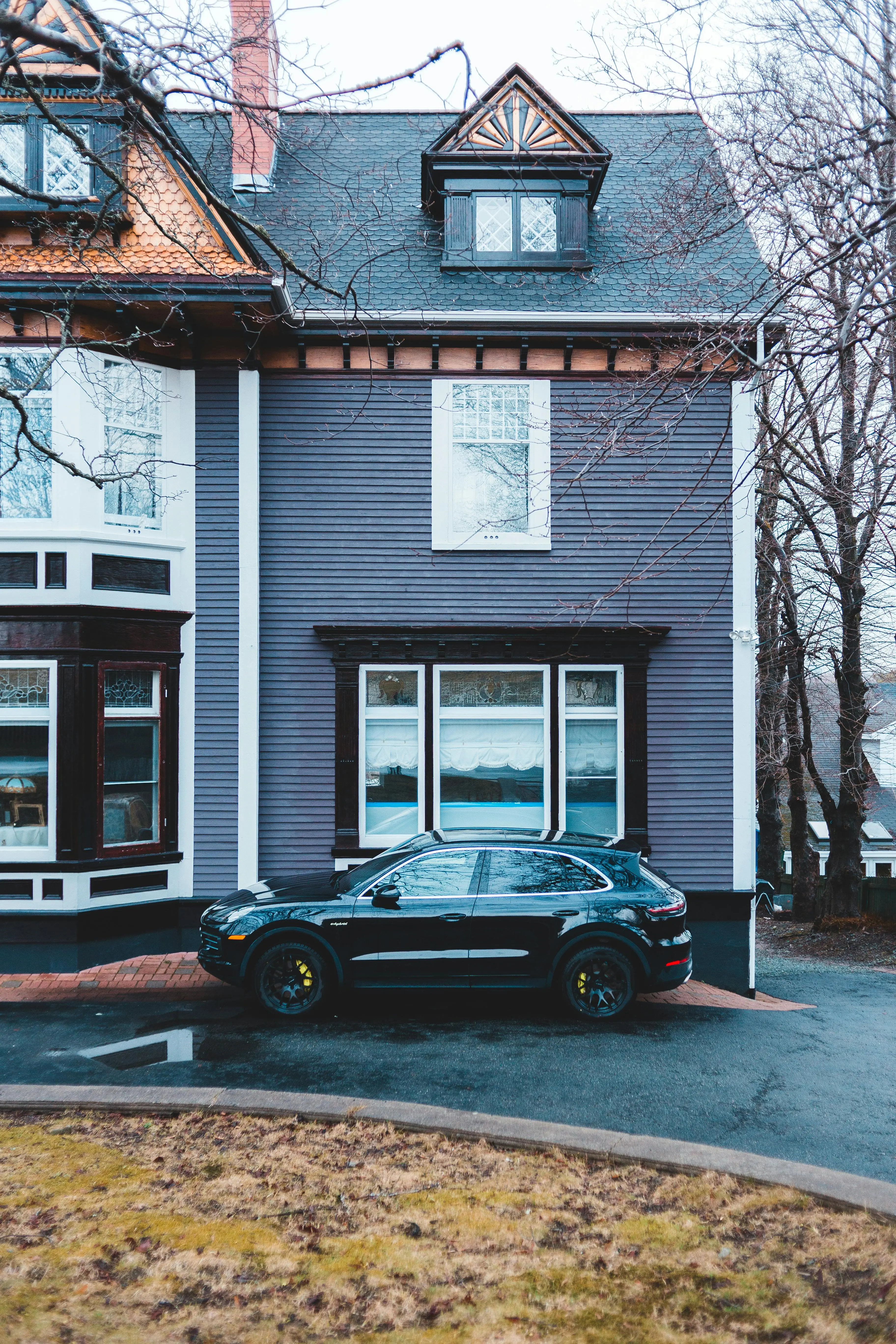
Resin vs Block Paving Driveway: The 2024 Homeowner’s Guide
Choosing a new driveway surface can feel like picking a new phone—every option promises the world, but only one truly fits your lifestyle. In the red corner we have resin bound surfacing: sleek, seamless and SUDS-compliant. In the blue corner sits block paving: classic, modular and time-tested. Below we unpack every angle—costs, looks, installation, upkeep, drainage, lifespan and eco-impact—so you can make a confident, future-proof decision.
Up-Front Costs: What You’ll Actually Pay in 2024
Prices below are for a standard 50 m² (540 ft²) two-car driveway in the Midwest, including excavation, edging and labor. Add 10–15 % for coastal cities, subtract 5 % for rural areas.
- Resin bound: $10–$16 per sq ft installed ($18–$29 per m²)
- Concrete block paving: $8–$14 per sq ft installed ($15–$25 per m²)
Hidden Extras That Pop Up Later
Resin needs a solid base—usually fiber-reinforced concrete or tarmac. If your old driveway is crumbling, budget an extra $3–$4 per sq ft for base work. Block paving can often overlay a stable concrete pad, but you’ll still pay for kiln-dried sand and a compactor. Always insist on a fixed-item quote so surprises stay off the invoice.
Installation Speed & Disruption
Resin: One-Day Wonder
Prep work aside (base laying, edging, crack repair), the actual resin pour takes 3–4 hours on a 50 m² drive. You can walk on it in 6 hours and park on it in 24—great if you hate being displaced.
Block Paving: Slower But Sectional
Expect 2–3 days for excavation, sub-base, screeding and laying. The bonus: installers can work one section at a time, so you still have partial access each night.
Design & Curb Appeal
Resin: Seamless Color Palette
Choose from 40+ natural aggregates and RAL color tints. You can inset decorative borders, house numbers or even glow-in-the-dark stone for a modern twist. The smooth finish flatters contemporary homes and adds perceived value to modern builds.
Block Paving: Classic Patterns
Herringbone, basket-weave, stretcher-bond—the choice is yours. Bricks come in 3 sizes, 20 colors and multiple textures (smooth, tumbled, stone-effect). Ideal for heritage or colonial façades.
Durability & Load-Bearing
Resin: Flexible But Not Invincible
A correctly laid 18 mm resin surface on a concrete base handles 7,500 lb passenger vehicles with ease. Avoid dragging trailer jacks or motorcycle stands—point loads can dent the UV-stable polyurethane. Repair is simple: cut out, re-prime, re-pour.
Block Paving: Individual Brick Strength
Concrete blocks (8,000 psi+) distribute weight laterally. You can replace single bricks after heavy forklift traffic or oil spills. Use sealant every 4 years to prevent color fade and efflorescence.
Day-to-Day Maintenance Compared
| Task | Resin | Block Paving |
|---|---|---|
| Sweeping | Monthly | Monthly |
| Power-wash | 1× year (low pressure) | 2× year + re-sand joints |
| Weed control | Minimal | Bi-annual kiln-dried sand |
| Reseal | Optional clear coat every 5 yrs | Color seal every 3–4 yrs |
Pro tip: Use a plastic-bladed shovel on resin to avoid scuffing, and scatter play sand on block paving in icy weather—rock salt eats concrete faces over time.
Rain, Snow & Drainage Regulations
Resin: SUDS-Compliant by Design
Bound resin is porous—water drains through at 850 gal/m²/hr. That usually eliminates the need for planning permission, even in front-yard installations. Pair it with a permeable open-graded base and you’re fully compliant with EPA storm-water rules.
Block Paving: Permeable Options Exist
Standard concrete blocks are NOT porous; you need a gradient + channel drain. Alternatively, specify permeable blocks and a 6 in clean-stone sub-base. Cost rises 15 % but you stay code-legal.
Climate & Color Fading
UV-Stable Resin
Aliphatic polyurethane binders won’t yellow under intense sun. Dark aggregates can lighten half a shade over 7–8 years, but it’s uniform—no patchiness.
Concrete Block Pigment
Iron-oxide pigments are colorfast for ~10 years. After that, surface wear reveals the natural concrete gray. A fresh coat of breathable sealer restores depth for about $0.60 per sq ft in materials.
Eco Footprint & Recyclability
Resin uses quarried aggregate shipped regionally, plus 3–4 % petro-based PU. Some suppliers now offer bio-resin with 35 % renewable content—ask for REACH certificates. Old resin drives can be planed off and recycled as road base.
Concrete blocks lock up 12 % recycled aggregates and can be lifted, cleaned and reused. Broken bricks head straight to crushed concrete plants—zero landfill.
DIY Potential: Can You Really Do It Yourself?
Resin: Leave It to the Pros
You have 7–12 minutes to trowel the mixed resin before it gels. Pros use forced-action mixers and gauge rakes to hit 18 mm ±2 mm. Botch the mix ratio and you’ll have sticky patches that never cure. Warranty is also void without installer certification.
Block Paving: Ambitious Weekend Project
Homeowners with a plate compactor, spirit level and patience can lay 100 sq ft per day. Rent a wet-cut saw for curves and budget 10 % extra blocks for breakages. You still need a laser level on the sub-base—get that wrong and puddles appear.
ROI & Property Value
Realtors we polled in Ohio and Texas say a new resin drive adds 6–8 % to asking price; block paving adds 5–7 %. Resin’s modern vibe appeals to buyers under 45; block paving resonates with families who like traditional charm. Either way, a tired, cracked driveway knocks 10 % off perceived value—so doing nothing costs more than upgrading.
5-Minute Decision Checklist
- Need fast install and minimal upkeep? → Resin
- Love classic patterns and easy single-brick repair? → Block
- Site slopes >5 % and no drains? → Permeable resin or permeable blocks
- Heavy RV or boat storage? → Block (80 mm thick) on 6 in concrete sub-base
- Historic district design rules? → Block (often mandated)
FAQ: Resin vs Block Paving Driveway
Include install, maintenance and one major repair. Block paving averages $0.28 per sq ft per year; resin averages $0.25. The gap is small, so pick the look you love.
Yes, if the base is 6 in reinforced concrete and you use plywood pads under stabilizer jacks to spread point loads. Avoid hot tires resting for days—place mats underneath.
Resin: Use a mild degreaser and warm water; rinse within 5 minutes. Block: Sprinkle cat litter overnight, sweep, then apply a poultice of baking soda and dish soap. Reseal the spot afterward.
Rubber-tipped blades are safe on both. Metal blades can scratch resin and dislodge edge blocks. Ask your contractor to install a contrasting-colored edge course—easy target for the plow operator.