
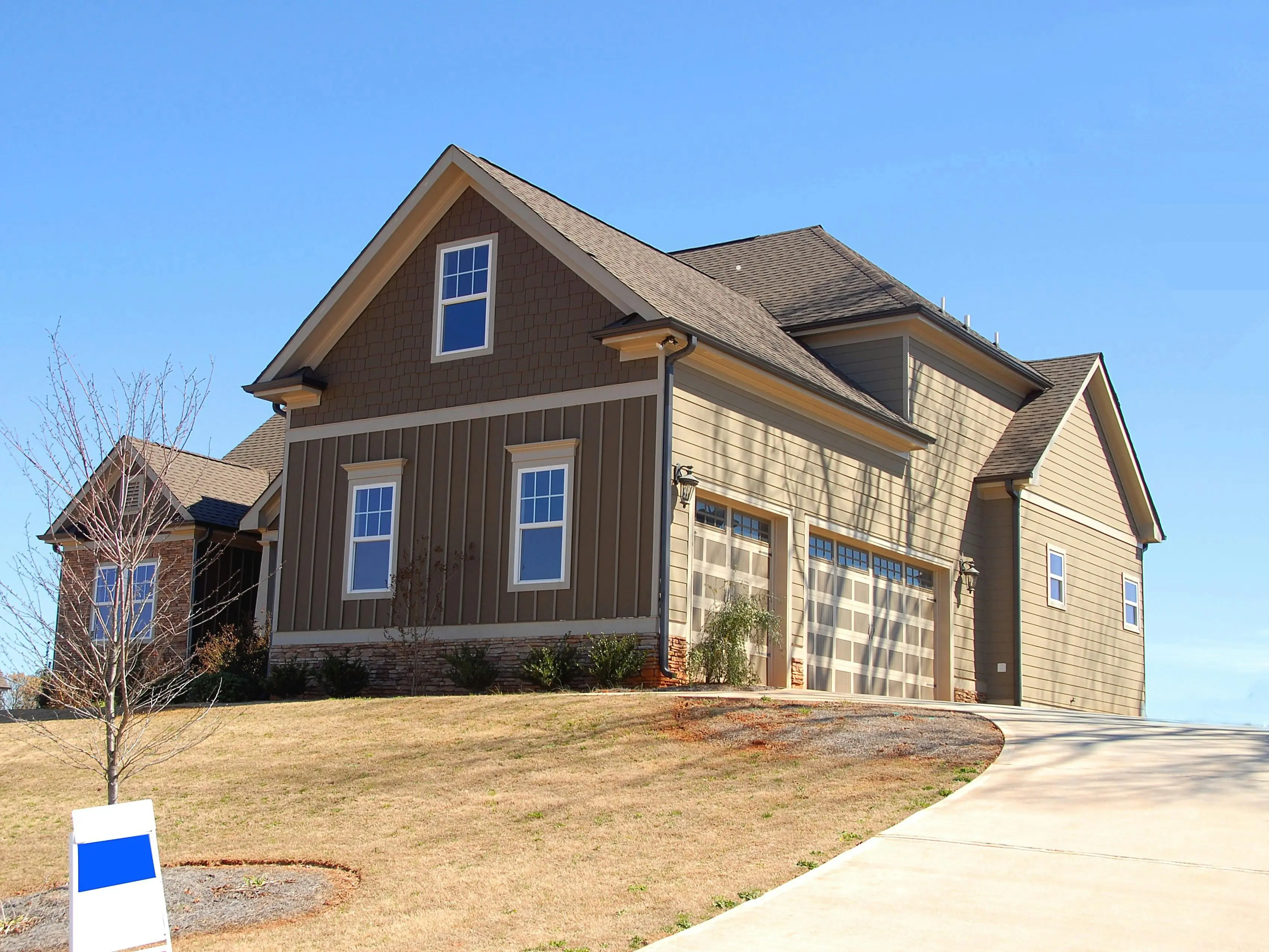
What Are Recycled Material Driveways?
Recycled material driveways turn yesterday’s waste into today’s welcome mat. Instead of mining fresh stone or pouring new concrete, these surfaces reuse crushed concrete, asphalt, glass, brick, and even plastic to create a stable, attractive parking area. For eco-minded homeowners, they offer a simple way to shrink carbon footprints without sacrificing curb appeal or durability.
Drivewayz USA crews have installed hundreds of these sustainable systems across the country. The process is surprisingly straightforward: clean, grade, compact a recycled base, then top it with the chosen recycled finish. When done correctly, the result looks boutique-level and lasts decades—often at a lower cost than virgin materials.
Popular Types of Recycled Material Driveways
Crushed Concrete (RCA)
Recycled concrete aggregate (RCA) is old sidewalk, curb, or building slab that’s crushed and screened to ¾-inch minus. The angular pieces lock together tightly, giving you a firm, rut-free surface that drains well.
- Best for: long, straight driveways on clay soil
- Color: light gray, blends with limestone
- Pro tip: Ask for a “double wash” to remove excess fines and reduce dust
Reclaimed Asphalt (RAP)
RAP is milled-off roadway that’s re-crushed and screened. When compacted, the residual asphalt binder knits the particles together, creating a semi-solid, semi-flexible layer that resists weeds and erosion.
- Best for: regions with freeze-thaw cycles
- Color: charcoal, looks like fresh asphalt but matte
- Pro tip: In hot climates, mist the surface on 90 °F+ days; the binder reactivates and self-seals minor cracks
Recycled Brick & Pavers
Salvaged brick or clay pavers can be laid on a sand bed for a vintage cobblestone vibe. Because bricks are fired at high temperatures, they resist de-icing salts and oil drips better than new concrete pavers.
- Best for: short, decorative drives or courtyard parking pads
- Color: terra-cotta, ochre, charcoal depending on source
- Pro tip: Mix 10 % new pavers for uniform spacing; use reclaimed only for face rows to save cost
Glass Aggregate & Resin-Bound Systems
Post-consumer glass is tumbled until smooth, then mixed with UV-stable polyurethane resin and troweled onto a prepared base. The finish is colorful, porous, and wheelchair-friendly.
- Best for: modern homes, sloped sites that need permeability
- Color: jewel tones or custom blends
- Pro tip: Order a sample kit—colors shift dramatically when wet
Rubber Mulch & Grids
Shredded tires are combined with honeycomb plastic grids. The grids carry vehicle weight while the rubber cushions noise and reduces summer heat gain (up to 40 °F cooler than asphalt).
- Best for: play areas that double as overflow parking
- Color: flat black or earth-tone coatings
- Pro tip: Top up rubber every 5 years; UV slowly breaks down the dye
Key Benefits for Homeowners
Environmental Impact
Every ton of recycled concrete kept out of landfill saves 1,360 kg of CO₂ emissions—equivalent to a 3,000-mile car trip. Choosing RAP over virgin asphalt cuts oil use by 20 %. Multiply that by a 600-sq-ft driveway and you’ve offset the annual emissions of a gas lawn mower.
Cost Savings
Recycled aggregates typically cost 30–50 % less than virgin quarry stone. Because many cities have recycling centers nearby, freight miles drop, too. A standard two-car driveway (16×40 ft) can save $1,200–$2,000 in material alone.
Permeability & Drainage
Most recycled systems are laid “open-graded,” meaning gaps between stones let rainwater soak through. This reduces runoff, helps recharge local aquifers, and may qualify you for storm-water fee discounts—$5–$15 per month in some municipalities.
Unique Aesthetics
Want a driveway that sparks conversation? Glass-resin blends sparkle under landscape lighting. Brick relics from a 1920s textile mill add history. You’re literally paving with story.
LEED & Tax Incentives
Using 25 % recycled content can earn LEED MR credit 4. Some states (CA, NY, TX) offer sales-tax exemptions on recycled aggregates. Check with your CPA—savings can reach $300 on an average install.
Installation Process: DIY vs. Professional
Site Evaluation
Start with a soil test. Clay-heavy soils need a geotextile fabric plus 8 in. of base; sandy soils can drop to 4 in. Mark utility lines (call 811) and measure slope—1 % minimum for drainage, 5 % maximum for comfort.
Base Preparation
- Excavate 8–10 in. below finished grade.
- Install woven fabric to prevent migration.
- Bring in recycled #2 aggregate (fist-size) for sub-base; compact in 4-in. lifts with a plate compactor (rental: $80/day).
Surface Layer
For crushed concrete or RAP, spread 3 in. of ¾-minus material. Spray lightly, then compact until you can’t push a screwdriver more than ½ in. For resin-bound glass, mix on-site with a forced-action mixer, trowel to 18 mm, and allow 24 hrs cure before car traffic.
When to Call a Pro
If your slope exceeds 8 %, you need a geogrid or terraced base—specialty equipment most homeowners don’t own. Likewise, resin systems require precise temperature and humidity control; botched batches can’t be patched seamlessly.
Maintenance Made Simple
Routine Care Calendar
- Spring: Top up displaced aggregate; apply eco-friendly weed preventer
- Summer: Hose off glass or rubber surfaces to remove pollen
- Fall: Blow leaves promptly—tannins stain resin finishes
- Winter: Use calcium magnesium acetate (CMA) instead of rock salt; it’s safer for brick and glass
Spot Repairs
Crushed concrete developing a pothole? Shovel out loose material, add fresh RCA, mist, and compact. For resin-bound areas, keep a 5-kg “cookie” kit from your installer—color-matched resin and glass that you simply pour and trowel.
Sealing Options
RAP driveways can be fog-sealed every 4–5 years with diluted asphalt emulsion ($0.60 sq ft). Avoid coal-tar sealers—they cancel the eco benefit by leaching PAHs.
Project Costs at a Glance
| Material | Price per Sq Ft (material only) | Pro Install Add-on | Life Span |
|---|---|---|---|
| Crushed Concrete | $0.75–$1.00 | $2.50 | 20–25 yrs |
| RAP | $0.80–$1.10 | $2.75 | 18–22 yrs |
| Reclaimed Brick | $3.00–$4.50 | $8.00 | 50+ yrs |
| Glass-Resin | $4.00–$6.00 | $10.00 | 15–20 yrs |
| Rubber Grid | $2.25–$3.00 | $5.50 | 12–15 yrs |
Prices vary by region; recycled glass costs less on the West Coast where bottle plants are abundant. Always request a site-specific quote.
How to Choose the Right System for Your Home
- Assess traffic: 1–2 cars daily? Crushed concrete is fine. RV or boat? Go RAP or brick.
- Match architecture: Mid-century modern loves glass-resin; colonial homes pair naturally with brick.
- Check HOA rules: Some covenants ban “loose gravel” but allow bonded surfaces like RAP or resin.
- Plan for future resale: Glass and brick score highest on buyer surveys; rubber grids can appear “temporary” unless well-maintained.
Frequently Asked Questions
Not at the federal level, but many states and utilities offer rebates. For example, California’s CalRecycle grants up to $3 per ton for diverted concrete. Some municipalities give storm-water fee reductions for permeable surfaces—check with your public works department.
If you use unwashed “road base,” yes. Request “washed, ¾-inch minus with 5–12 % fines.” The angular stones knit together and the minimal dust binds during compaction. A light mist every few weeks during dry spells keeps the surface firm.
Start with your state’s Department of Transportation approved list—if the material is good enough for highway shoulders, it’s good enough for your driveway. Ask for a Mill Test Report showing abrasion and sulfate values. Local concrete-crushing yards often deliver for free within 20 miles.
Yes. Spread powdered iron oxide or recycled glass dust on the final lift before final compaction. Mist lightly to set. Expect subtle earth tones—think barn red or sage. For vibrant hues, switch to resin-bound glass instead.