
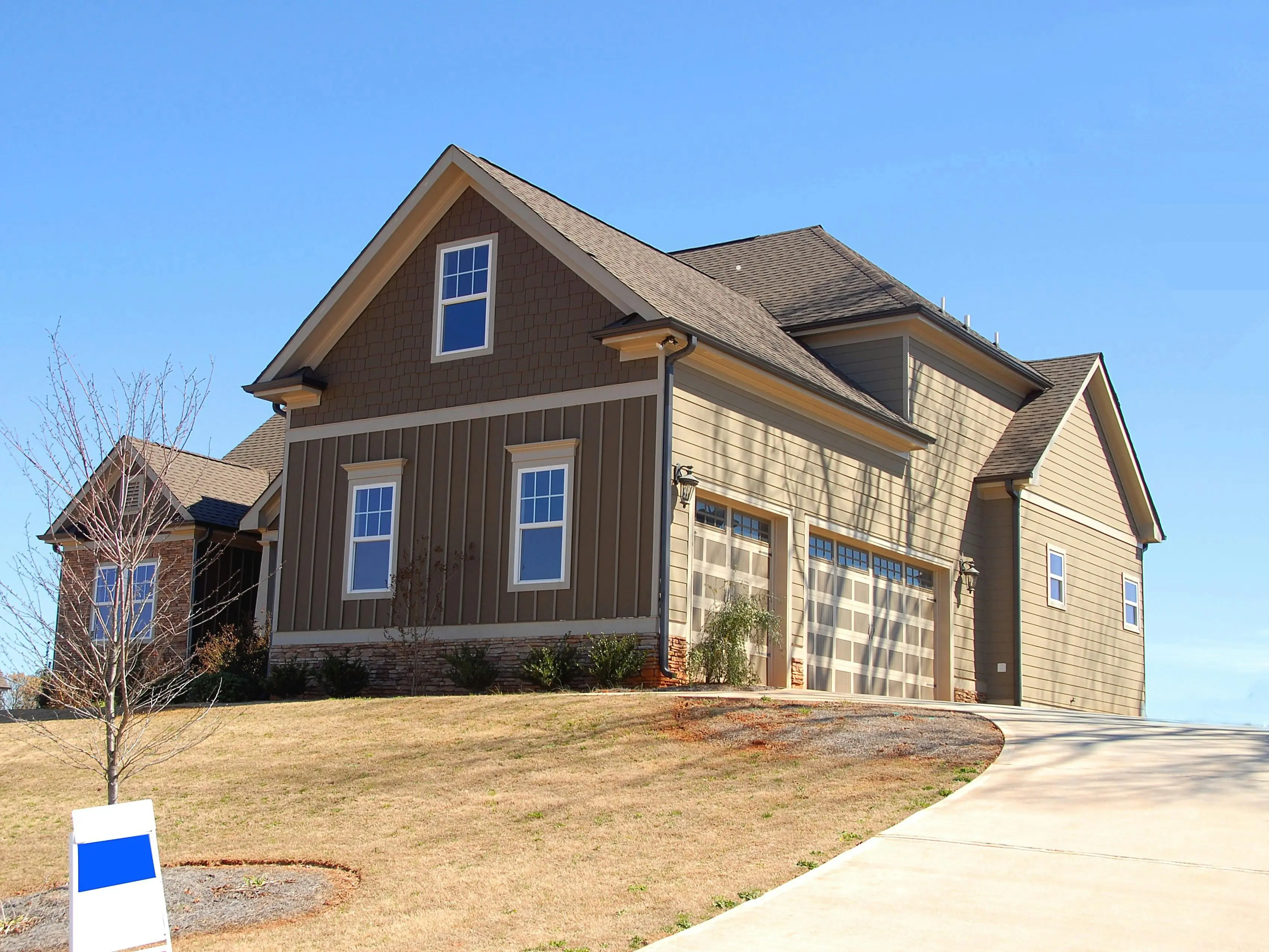
Overview: When Your Driveway Crosses the Line—Literally
Nothing kills curb appeal faster than a nasty property-line squabble. One day you're sipping coffee, admiring your new paver driveway; the next, a neighbor's surveyor is hammering stakes through the asphalt you thought was yours. Property line disputes and driveways are more common than you'd think—especially in older suburbs where fences, hedges, and "we've-always-parked-there" habits quietly crept past legal boundaries.
The good news? Most disagreements can be solved without courtroom drama if you know the steps. Below, we'll walk you through how to spot a problem early, protect your investment, and keep the peace on the block.
How Driveway Property Disputes Usually Begin
1. Shared Driveways That Were Never Officially Recorded
In many 1950s neighborhoods, two families once agreed to split the cost of a single ribbon of concrete. Decades later, new owners can't find the original maintenance contract and argue over who gets the outer 18 inches.
2. Encroaching Widening Projects
You expanded your 8-foot drive to 12 feet so the kids could shoot hoops. The extra strip sits on the neighbor's side of the iron pin, but nobody noticed until they decided to install an irrigation line.
3. Mortgage Surveys Triggered by Refinancing
A routine lender survey for your neighbor's cash-out refi reveals your apron extends 6 inches onto their lot. Suddenly the bank demands correction before closing.
4. Fence & Hedge "Creep"
Wooden posts rot, new sections go up a hair farther out, and shrubs grow wider. Over 20 years, the perceived line shifts two feet, swallowing part of the driveway that was poured dead-center in 1980.
Step 1: Verify the Real Boundary Before You Call the Contractor
Locate Your Property Pins
Most lots have ½-inch iron rods at each corner. A $15 magnetic pin finder from the hardware store or a free pass with a metal detector can uncover them. Pro tip: after a heavy rain, pins sometimes stand out in the softened soil.
Order a Boundary Survey, Not Just a Mortgage Inspection
Mortgage inspections are cheap stick-figure sketches that explicitly say "not a survey." Spend the extra $300–$700 for a stamped boundary survey if you plan to move dirt, pour concrete, or build a retaining wall within five feet of where you think the line is.
Compare With Your Plat & Legal Description
Plats show bearings and distances; deeds use words. Lay both side-by-side. If the plat says 82.37 feet and your wheel measurement says 84, stop and call a licensed surveyor before you assume one of you is wrong—monuments control, not the numeric call.
Step 2: Have the Boundary Chat Before Stakes Go In
Bring Cookies, Not Accusations
Approach with survey in hand, but open with "I want us both to feel comfortable with any work." People defend turf—literally—when they feel ambushed.
Offer Visual Proof, Not Just Paper
Print an aerial from the county GIS and overlay the survey line in red. A picture beats legalese every time.
Propose Solutions, Not Ultimatums
- Easement: You keep the driveway; they grant written permission.
- Shared maintenance contract: Split sealing costs every five years.
- Minor relocation: Shift the apron 6 inches at your expense.
Driveway Easements: The Legal Safety Net
Types of Easements You'll See
- Express Easement: Written, notarized, recorded at the courthouse. Gold standard.
- Prescriptive Easement: Open, continuous use for the statutory period (often 10–20 years). Tricky to prove but powerful if you have old photos, tax records, or affidavits.
- Easement by Necessity: Landlocked parcel requires access; rarely applies to typical suburban driveways.
What a Good Driveway Easement Should Spell Out
- Exact width (e.g., 12 feet centered on common boundary).
- Surface type and future upgrade responsibilities.
- Snow-removal duties (who plows, where snow can be piled).
- Utility crossing rights (you don't want to rip out new concrete to fix their fiber line).
- Termination clause if both lots merge under one owner.
Typical Costs to Fix Property Line Driveway Issues
| Solution | Typical Price Range (single-family suburb) |
|---|---|
| Boundary survey (up to ½ acre) | $400–$900 |
| Attorney-drafted easement & recording | $600–$1,500 |
| Driveway taper/relocate 50 sq ft | $1,200–$2,000 (tear-out & repour concrete) |
| Full replacement w/ new curb cut | $4,000–$8,000 (varies by region & finish) |
| Mediation or small-claims filing | $300–$1,000 (filing, service, your time) |
Remember: spending $800 on a survey now can save $8,000 in tear-out later.
Prevent Future Conflicts When Installing a New Driveway
Request a "Staked Line" Before Form Boards Go In
Good concrete crews will happily offset string 6 inches inside the survey line so nothing accidentally crosses.
Add a 2-Foot Buffer Strip
Design the paved surface 2 feet shorter than the legal limit. Landscape the buffer with decorative gravel or low groundcover; it's cheaper to move pebbles than concrete.
Photograph the Undisturbed Lot
Take date-stamped shots of the bare sub-grade showing offset stakes. If a neighbor claims you moved, you have proof.
File a "Notice of Driveway Construction"
Some municipalities let you record a simple notice showing location and dimensions. It isn't an easement, but it puts future buyers on notice that the driveway exists with consent.
Material Choices That Make Future Changes Easier
- Interlocking Pavers: Lift and relay a section if you must retreat from the line. Keep 5 percent extra pavers in the shed for color matching.
- Stamped Concrete With Control Joints Every 4 Feet: A clean saw cut gives you a fair crack line to remove only the offending strip.
- Asphalt: Cheaper to patch, but edges crumble if not supported. Use a beveled edge against a neighbor's lawn so future excavation doesn't destroy their turf.
When to Call the Pros (and Whom to Call)
Land Surveyor – First Call
Only a licensed surveyor can set legal corners and prepare a plat that holds weight in court or at the closing table.
Real-Estate Attorney – Second Call (If Talks Stall)
They draft easements, review titles for old reciprocal driveway agreements, and negotiate on your behalf.
Driveway Contractor – Third Call (After Lines Are Clear)
Drivewayz USA and similar outfits won't start demolition until you sign a "line verification" form—protecting both of us from becoming the middle of a feud.
Mediator – Fourth Call (Before Court)
Many counties offer free or low-cost mediation programs. Agreements reached here can still be recorded, avoiding a public court judgment.
If It Lands in Court: What Judges Want to See
- A certified survey less than five years old.
- Photos, invoices, or witness statements proving continuous use (for prescriptive claims).
- Evidence you tried to resolve the matter (emails, certified letters, mediation certificate).
- Clear proposal: easement, relocation, or monetary damages. Judges prefer concrete solutions.
Most cases settle at the door; very few see a full trial. Showing up organized usually prompts the other side to compromise.
FAQ: Property Line Disputes and Driveways
Possibly, through a prescriptive easement, but you must prove open, continuous, hostile use for the statutory period set by your state—usually 10–20 years. Paying property tax on the strip or maintaining it alone helps, but there's no automatic ownership transfer just because asphalt aged in place.
Only if a licensed survey confirms you are still wholly on your side of the line. Fence rails and posts often encroach, so use the survey pin—not the fence—as your guide. When in doubt, leave a 6- to 12-inch buffer or secure a written easement.
Put it in writing before the first yard of concrete is ordered. Common splits are 50/50 for initial construction and ongoing sealing, but you can weight shares by width (e.g., 60/40 if one household gets a two-car width). Record the agreement so future buyers are bound.
Technically no—many counties supply fill-in-the-blank forms—but a real-estate attorney will make sure the language matches local recording standards and covers maintenance duties. Spending $600 now can prevent a $6,000 fight later.