
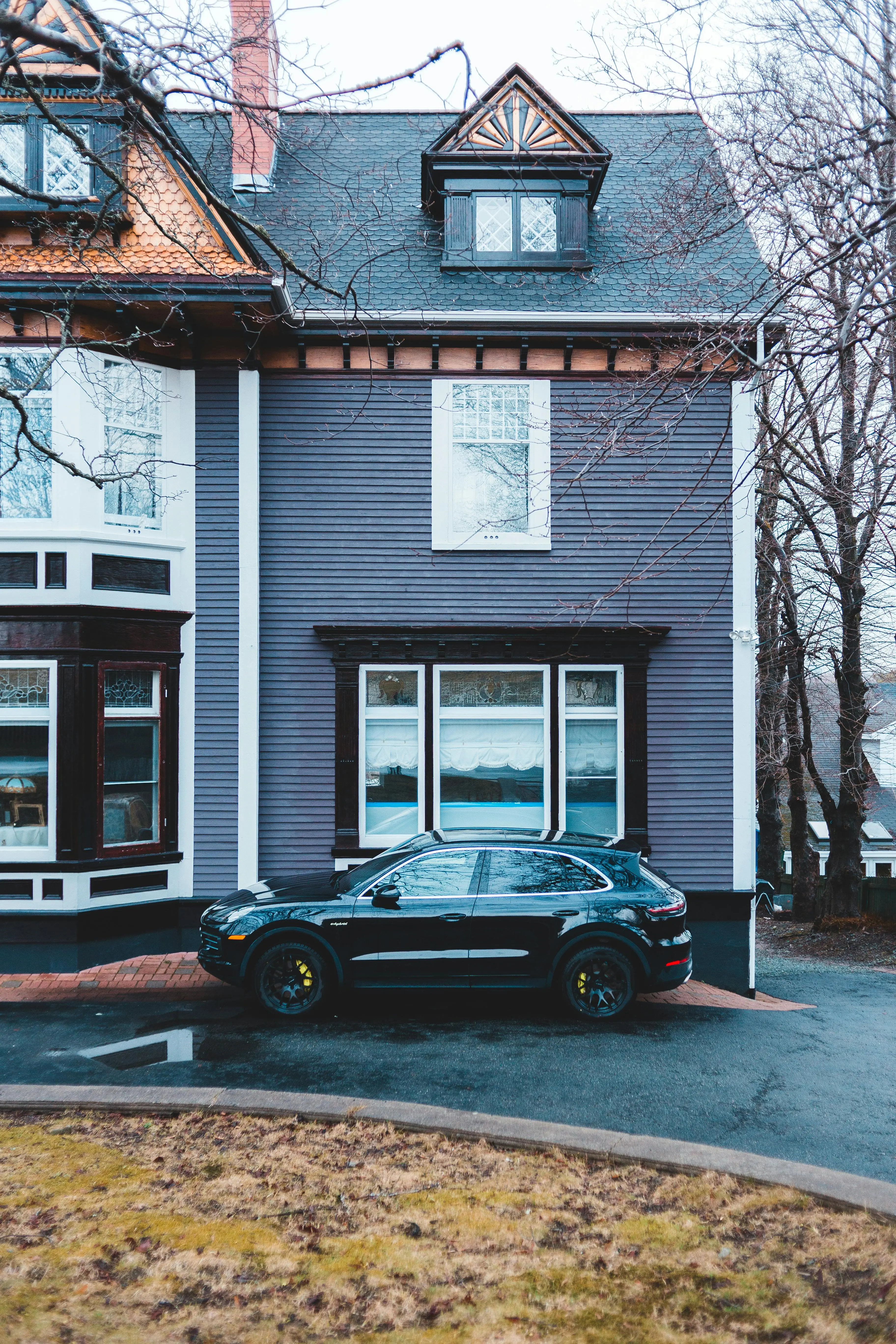
Permeable vs Traditional Driveways: The Big Picture
Choosing a driveway sounds simple—until you’re staring at a soggy yard after every storm and wondering why your beautiful new asphalt is cracking after two winters. The real decision isn’t just “what looks nice,” it’s “how will water, weather, and wear treat this surface for the next 25 years?”
Permeable (a.k.a. porous or pervious) driveways let rain soak straight through. Traditional driveways—think asphalt, concrete, or interlocking pavers on a compacted base—shed water to the curb or storm drain. Each approach has fanatics and critics, but the right choice for your home hinges on climate, soil, budget, and local rules. Below, we break down performance, price, and practicality so you can speak contractor-ese before the first estimate hits your inbox.
What Exactly Is a Permeable Driveway?
Permeable systems combine a porous surface layer with an engineered stone reservoir underneath. Rainwater flows through the joints or pores, temporarily stores in the crushed-stone bed, then trickles into the soil or an under-drain. The goal: zero runoff.
Common Permeable Materials
- Porous concrete: Gap-graded mix with little sand; 15–25 % voids.
- Porous asphalt: Same idea as above but uses bitumen binder; stays flexible in freeze-thaw zones.
- Paver grids: Plastic or concrete cells filled with gravel or grass; great for DIY.
- Resin-bound gravel: Aggregate mixed with clear UV-stable resin; smooth, decorative finish.
Traditional Driveways: Tried, True, and Non-Porous
Traditional installations rely on a compacted gravel base topped by an impermeable layer. Water races off, often overwhelming gutters and basements.
Classic Traditional Options
- Hot-mix asphalt: Affordable, flexible, dark aesthetic.
- Poured concrete: Long lifespan, can be stamped/colored.
- Interlocking pavers on concrete sand: High curb appeal, but joints are tight—little infiltration.
- Chip seal or tar-and-chip: Rustic look, lower cost, shorter life.
Head-to-Head: Pros and Cons
Permeable Driveways—Pros
- Storm-water credit: Many cities rebate $1–$4 per sq ft for reducing runoff.
- Eliminates puddles and ice sheets = fewer slip liabilities.
- Recharges groundwater; eco bragging rights.
- Less thermal mass = lower surface temps (up to 10 °F cooler).
Permeable Driveways—Cons
- Upfront cost 20–50 % higher than asphalt.
- Needs annual vacuuming or power-washing to prevent clogging.
- Not ideal on clay soils without an under-drain ($2–$4 extra per sq ft).
- Lower compressive strength; heavy dumpsters or RVs can rut the surface.
Traditional Driveways—Pros
- Lowest first cost: asphalt averages $3–$5 per sq ft nationally.
- Fast install: 500 sq ft can be paved and driven on within 48 hours.
- Contractors everywhere; competitive bids.
- Handles any vehicle weight if base is thick.
Traditional Driveways—Cons
- Runoff can flood landscaping or violate newer municipal codes.
- Cracks from freeze-thaw; seal-coating every 3–5 years adds cost.
- Oil stains are glaring; heat absorption spikes summer cooling bills.
- May require additional drainage ($800–$3,000) to pass inspections.
Real-World Cost Breakdown (2024 National Averages)
Material & Installation Only (per Square Foot)
| Surface Type | Low ($) | High ($) |
|---|---|---|
| Standard asphalt | 3.00 | 5.00 |
| Poured concrete | 6.00 | 10.00 |
| Porous asphalt | 5.00 | 8.00 |
| Porous concrete | 7.00 | 12.00 |
| Resin-bound gravel | 9.00 | 14.00 |
| Interlocking permeable pavers | 10.00 | 16.00 |
Ongoing Maintenance Spend (Annual)
- Asphalt: $0.15/sq ft (seal-coat every 3 yrs ÷ 3).
- Concrete: $0.05/sq ft (joint sealer + occasional crack fill).
- Permeable: $0.20/sq ft (cleaning + replacement of top ½-in aggregate every 5 yrs).
Hidden Extras That Swing the Budget
- Geotextile fabric: $0.30/sq ft—mandatory under permeable to stop migration.
- Under-drain system: $8–$12 linear foot on clay sites.
- Curbs & gutters: $6–$9 linear foot—often waived for permeable projects that qualify for credit.
- Tree-root protection: $500–$1,500 if mature oaks sit within 10 ft of driveway.
Climate & Soil: The Make-or-Break Factors
Permeable pavements shine in sandy-loam suburbs of the Southeast, where rain comes fast but drains away. In northern freeze zones, porous asphalt survives because expanding ice has somewhere to go—if the reservoir layer is at least 18 in deep and the under-drain exits above frost line. Clay-heavy lakebed soils (think Dallas or Chicago) suffocate permeable systems unless you add an under-drain, erasing the cost advantage.
Traditional concrete, meanwhile, loves the steady winters of the Pacific Northwest but spalls in Colorado when de-icing salts eat the paste. Match material to micro-climate first; aesthetics second.
Local Codes & Incentives You Can’t Ignore
Over 400 U.S. cities now restrict impervious cover on new residential lots. A quick call to the building department can reveal:
- Maximum percentage of lot that can be traditional pavement (often 30–40 %).
- Storm-water retention credits that slice $200–$1,000 off annual sewer bills.
- Rebate programs up to $4,000 for replacing blacktop with permeable.
Action step: Email your city’s “Green Infrastructure” or “MS4” coordinator a site sketch; most reply within 48 hours with a yay/nay and a dollar figure.
Pro Installation Tips for Homeowners
Request These Specs in Every Quote
- Base reservoir depth (minimum 12 in for patios, 18 in for driveways).
- AASHTO #57 stone for bottom layer, #8 for top 4 in—confirms fast infiltration.
- Permeability test: 100 in/hr ASTM C1701 for porous concrete; 5+ gal/min/ft² for pavers.
- 2 % minimum slope toward under-drain—prevents bathtub effect.
Red-Flag Language
“We compact the sub-base to 98 % Proctor.” That’s perfect for asphalt but suffocates permeable. Insist on 90–92 % compaction only.
DIY Grid Systems
Plastic geocell grids arrive in 4×4 ft sheets. Budget 3 hours per 100 sq ft for a homeowner crew of two. Stagger joints like patio pavers, fill ⅔ with angular gravel, then top ½ in with the same color aggregate for a seamless look.
Longevity & ROI: Will You Recoup the Extra Spend?
Traditional asphalt lasts 15–20 years with seal-coating; concrete 25–30. Permeable concrete/asphalt clocks 20 years if vacuumed yearly—clogging is the #1 killer. Interlocking permeable pavers can hit 30 because you simply swap broken units.
On resale, buyers love the phrase “floods less.” A 2023 NAHB survey showed homes with permeable driveways sold for 2 % more in flood-prone counties. In desert metros (Phoenix, Vegas), the premium is near zero—buyers prize low HOA fees over green tech.
Which Choice for Which Homeowner?
Choose Permeable If…
- You live on a lot with >30 % clay and the city mandates runoff reduction.
- Basement flooding is an annual headache.
- You crave LEED or National Green Building Standard points.
- You park only passenger vehicles—no boat or 30-ft RV.
Stick With Traditional If…
- Your driveway doubles as a basketball court for teens—needs tough surface.
- Budget is capped at $5/sq ft total.
- Soil is sandy and already drains well; overkill to add infiltration.
- You plan to sell within three years and the neighborhood comps all use asphalt.
Frequently Asked Questions
Yes—with caveats. Use porous asphalt, not concrete, because the bitumen flexes with freeze-thaw cycles. Limit salt; switch to calcium magnesium acetate (CMA) to avoid clogging pores. Annual vacuuming in spring pulls out residual grit that can plug voids.
No. Permeability has to be engineered from the ground up. You’d need to mill off the asphalt, excavate 12–18 in of soil, install the stone reservoir, then repave. Cost is almost identical to a full replacement.
Once a year for light debris, twice if you have overhanging trees that drop seeds or blossoms. A standard shop-vac with a 2½-in hose works; pros use regenerative-air sweepers for 2,000+ sq ft lots.
Rarely. Use angular aggregate in the joints—not rounded pea gravel—and fill to ⅛ in below the chamfer. A polymeric sand top-dressing or annual spot-spray with 30 % vinegar keeps growth at bay.