
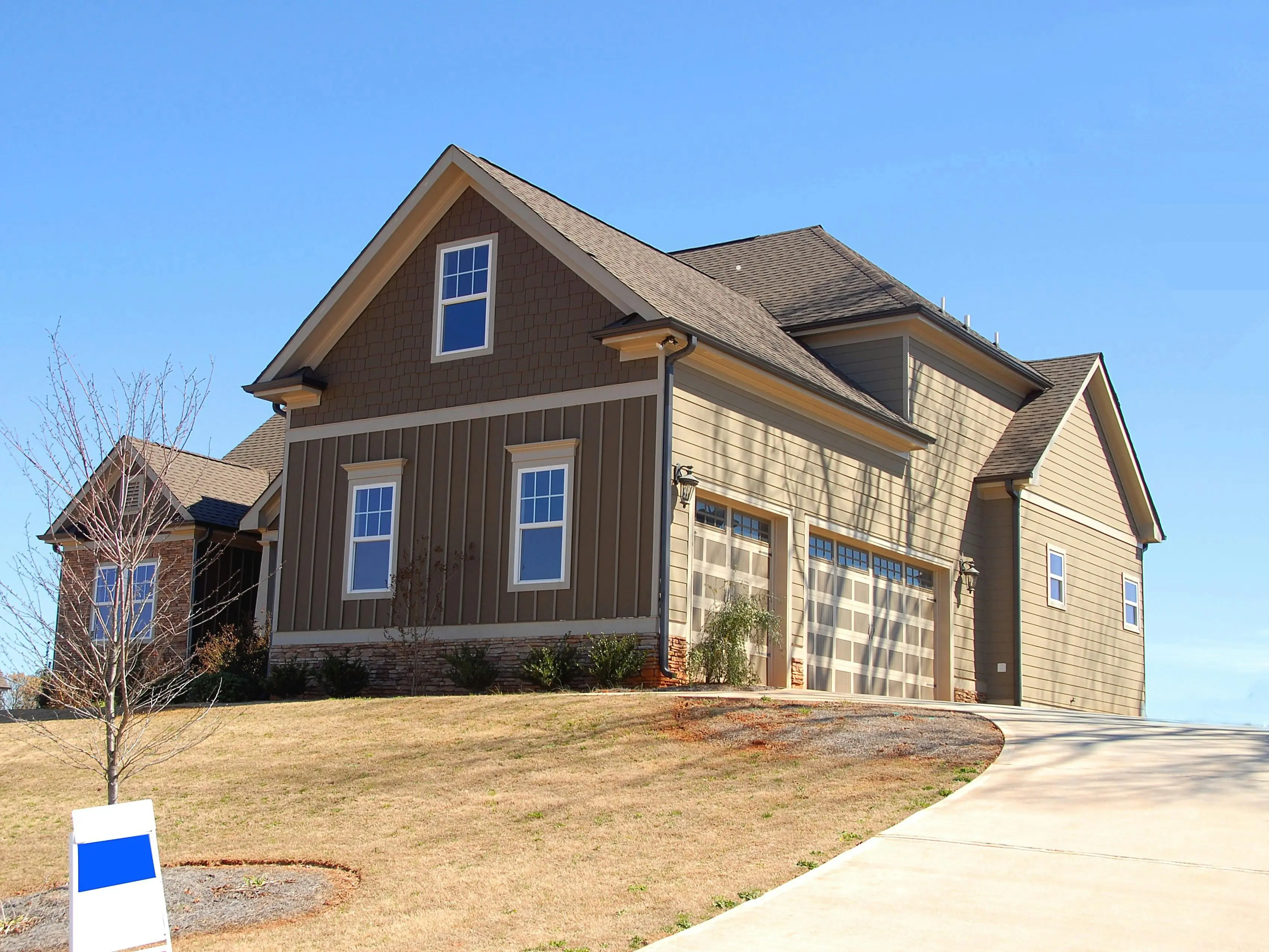
Why Mold and Mildew Love Your Driveway
Mold and mildew are more than an eyesore—they’re slippery, smelly, and shorten the life of concrete and asphalt. The good news? A few low-cost habits and the right products keep your driveway looking new and safe to walk on. In this guide you’ll learn exactly what causes driveway mold, how to remove it safely, and—most important—how to stop it from coming back.
What Causes Mold and Mildew on Driveways?
Both fungi need three things: moisture, organic food, and shade. Remove any one of the three and colonies can’t survive.
1. Constant Shade
North-facing driveways or those under large trees rarely dry out, giving spores a 24-hour damp blanket.
2. Organic Debris
Fallen leaves, grass clippings, and pine needles break down into sugars that feed mildew.
3. Poor Drainage
Low spots, clogged gutters, or settled joints leave standing water that never evaporates.
4. Porous Surfaces
Untreated concrete and older asphalt suck in water like a sponge, creating micro-ecosystems beneath the surface.
How to Tell Mold from Algae and Oil Stains
- Mold: Fuzzy, dark green or black; feels slick when wet; smells musty.
- Algae: Bright green, slimy, but no noticeable odor.
- Oil: Dark, flat stain that doesn’t lighten when sprayed with water.
Still unsure? Drip a 3-percent hydrogen-peroxide solution on the spot. If it fizzes, it’s organic growth (mold or mildew).
Step-by-Step Mold Removal
Safety First
- Gloves, goggles, and a simple N95 mask keep spores out of lungs and eyes.
- Wet down nearby plants; they’ll absorb less runoff.
- Never mix bleach and ammonia—toxic gas results.
Tools You’ll Need
- Stiff nylon push broom or deck brush
- Garden sprayer (2-gallon)
- Pressure washer (optional, 2,000–2,800 PSI max)
- Cleaning solution (choose one below)
DIY Eco-Friendly Cleaner
- Fill sprayer with 1 gallon warm water.
- Add 1 cup white vinegar + ½ cup baking soda + 1 tbsp dish soap.
- Saturate the driveway, keeping it wet for 15 min.
- Scrub in two directions; rinse thoroughly.
Heavy-Duty Bleach Method (for Deep Mold)
- Mix 1 part household bleach with 4 parts water.
- Pre-wet concrete to reduce absorption.
- Spray solution; let dwell 10 min (never allow to dry).
- Scrub, then rinse toward storm drain—collect runoff if local codes require.
Pressure-Washing Tips
- Use a 25° green tip; keep wand 12 in. from surface.
- Work in 3-ft sections to avoid lap marks.
- Seal surface within 48 hrs while pores are open.
Long-Term Mold and Mildew Prevention on Driveways
1. Improve Sunlight
Trim tree branches up to 10 ft above the driveway; more direct sun equals faster drying.
2. Fix Drainage Issues
- Install trench or French drains along low edges.
- Re-grade soil so it slopes ¼ in. per foot away from concrete.
- Keep downspouts extended 5 ft from the slab.
3. Sweep & Rinse Weekly
Five minutes with a push broom removes food sources before they decay.
4. Apply a Penetrating Sealer
Silane-siloxane sealers bead water for 5–7 years on concrete, 3–4 on asphalt. Apply when the surface is 50–80 °F and no rain is forecast for 24 hrs.
5. Use Preventive Sprays
Every spring and fall, mist a 10-percent vinegar solution or store-bought “mold inhibitor” on shaded sections. It costs pennies and stops regrowth for months.
Best Products for Mold and Mildew Prevention on Driveways
| Product Type | Example Brand | Life Span | Cost (DIY) |
|---|---|---|---|
| Penetrating sealer | Siloxa-Tek 8500 | 5–7 yrs | $0.25 / sq ft |
| Surface film sealer (wet look) | EnduraSeal Acrylic | 2–3 yrs | $0.18 / sq ft |
| Mold inhibitor | Wet & Forget | 1 yr | $0.08 / sq ft |
Typical Cost Breakdown (National Averages)
- DIY cleaning supplies: $25–$50 for 600 sq ft driveway
- Professional pressure wash + treatment: $120–$250
- Sealing (contractor): $1.00–$1.75 / sq ft
- Drainage repair: $500–$2,000 depending on linear feet and soil type
Regular upkeep every 6–12 months avoids the need for a full restoration that can top $3,000.
Seasonal Maintenance Calendar
Spring
- Pressure wash winter grime.
- Inspect for cracks; caulk with polyurethane joint sealant.
- Apply mold inhibitor on shaded areas.
Summer
- Re-seal asphalt if surface is gray and fuzzy.
- Trim vegetation; aim for 2 ft clearance from slab edge.
Fall
- Remove leaves every week.
- Clean gutters so runoff doesn’t spill onto driveway.
Winter
- Use calcium chloride instead of rock salt—less damage to concrete and fewer porous pockets for mold.
- Shovel snow early; ice blocks create long-term moisture.
Frequently Asked Questions
A 1:4 bleach solution is safe for occasional use. Rinse within 15 minutes and never let it dry on the surface. Over-bleaching can etch concrete over time, so reserve strong chemicals for heavy infestations and rely on gentler vinegar sprays for routine maintenance.
Penetrating sealers last 5–7 years on concrete, 3–4 on asphalt. Perform a simple water-drop test annually: if water no longer beads, plan to re-seal that season.
A blower works for dry debris, but it won’t remove the thin layer of dirt and pollen that mold eats. Use a broom weekly and supplement with a blower after mowing to keep organic matter off the surface.
Most driveway molds are allergenic, not toxic, but they can irritate paws and skin. Clean spills promptly and keep pets off the area until the surface dries after any chemical treatment.