
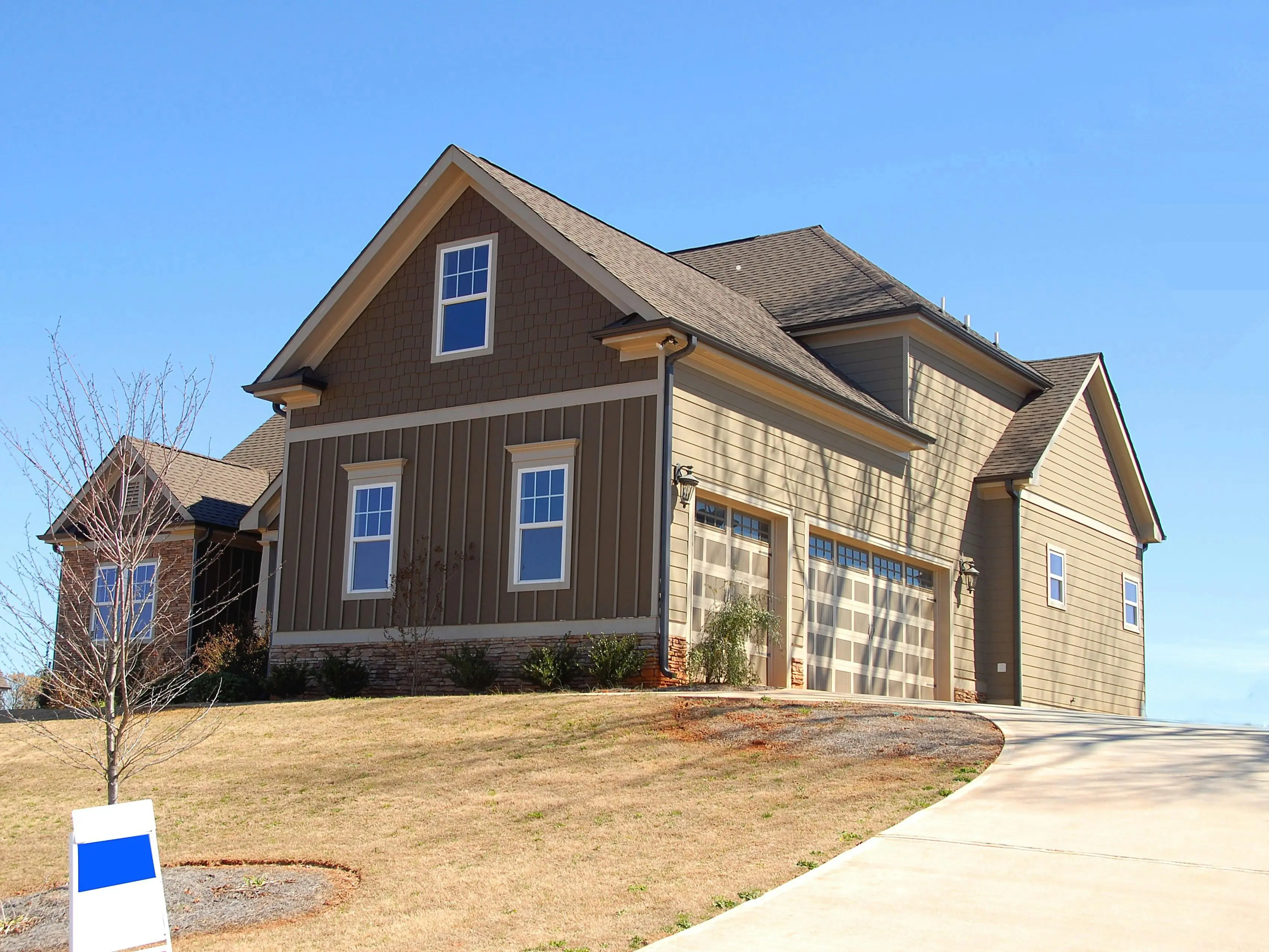
What Makes Mediterranean Home Driveways Unique?
Mediterranean home driveways are more than a place to park—they’re the first act of a story told in sun-warmed stone, hand-laid tile, and Old-World craftsmanship. Think ochre-toned pavers, hand-painted ceramic accents, and permeable joints that let rain soak back into the earth the way it’s done in Andalusia and the Amalfi Coast.
Homeowners love the look, but they also want a surface that survives freezing winters, 100 °F summers, and the weekly trash truck. Below you’ll learn how to get both style and strength without turning your driveway into a maintenance second job.
Best Tile & Stone Materials for Mediterranean Home Driveways
1. Travertine Pavers
Tumbled travertine stays cool under bare feet and hides oil drips in its natural veining. Choose 1¼-inch thick, cross-cut pavers with a hydrophobic sealer to resist freeze-thaw spalling in Zones 5-7.
- Colors: Walnut, Silver, Noce
- Surface: Tumbled & unfilled for grip
- Edge: Chiseled or French pattern
2. Spanish Quarry Tile (Rustic Saltillo)
Authentic Saltillo is sun-dried clay, so it’s not driveway-grade on its own. Use high-density, kiln-fired “Mediterranean Pavers” (≥ 8 000 psi) that mimic Saltillo’s terra-cotta tone in a porcelain body.
3. Limestone & Cantera
Cantera (volcanic limestone) is the hallmark of Monterrey and Southern California estates. Specify a flamed or bush-hammered finish for slip resistance; polished Cantera belongs on a foyer floor, not under tires.
4. Encaustic Cement Tile Accents
Use 8 × 8-in. cement tiles as insets or borders only. They’re artistic but porous; set them on a raised concrete curb so tires never touch them.
5. Gravel & Chip-Seal with Stone Curbing
A pale limestone chip sealed over compacted base gives the paseo look for a fraction of the price. Lock edges with a 6 × 6-in. tumbled limestone curb to keep gravel off the lawn.
Design Ideas That Stay Authentic
Color Palette
Stick to earth fired by sun: sand, wheat, clay, sage, and the blue of sea glass. Keep grout or jointing sand one shade darker than the paver so stains disappear.
Pattern Play
- French (Versailles) pattern: random rectangles hide size variances in rustic stone.
- Herringbone at 45°: spreads vehicle load and nods to Roman roads.
- Concentric borders: frame the drive with a darker tone to “ground” the house.
Mediterranean Driveway “Rugs”
Inlay a 3-ft wide cement-tile medallion at the garage apron or entry gate. Protect it with a removable plywood “tire bridge” during daily use and pull it off only when company arrives.
Drainage That Disappears
Channel drains clash with Old-World charm. Use a permeable paver system (ASTM C1781) or slot drain cast in limestone-colored concrete. Daylight the pipe into a dry creek bed planted with lavender and rosemary.
Installation Guide for Homeowners
Base Prep: The 4-Layer Rule
- Geotextile over clayey soil to stop migration.
- 6-in. crushed concrete (¾-in. minus), compacted to 98 % Standard Proctor.
- 1-in. bedding course of chip stone (⅜-in. clean).
- Permeable polymeric sand or stone dust swept into ⅛-in. joints.
Edge Restraints That Match Stone
Plastic edging looks cheap next to travertine. Instead, set a 6-in. concrete haunch stained with iron-oxide pigment to match the paver, then cap it with the same stone.
Expansion Joints in Long Runs
Place a ½-in. expansion joint every 12 ft if your driveway is > 100 ft long. Fill with gray self-leveling Sikaflex so it blends with limestone.
Sealing Schedule
- Initial cure: 60 days after install so moisture can escape.
- Re-coat: Every 3-4 years for penetrating sealer, 2 years for topical.
- Spot test: Sprinkle water—if it darkens the stone, reseal.
Costs & ROI
National averages for a 16 × 40 ft (640 sq ft) driveway:
- Tumbled travertine: $18–$24 / sq ft installed
- French-pattern limestone: $22–$28 / sq ft
- Rustic porcelain pavers: $14–$18 / sq ft
- Chip-seal + stone edging: $4–$6 / sq ft
Add 10 % for intricate borders or medallions. Expect 70 % ROI at resale in warm-climate markets where Mediterranean architecture dominates (Santa Barbara, Naples, Scottsdale).
Climate-Specific Tips
Freeze-Thaw Zones (USDA 4-6)
- Use absorption ≤ 0.5 % (ASTM C97) stone to avoid spalling.
- Swap polymeric sand for clear chip stone so water can drain.
- Never apply topical sealer before winter; moisture trapped below can pop the surface.
Hot-Humid Coast (Zone 9-10)
- Choose high-DCOF (≥ 0.42) finishes to stay slip-free during summer storms.
- Rinse salt spray monthly; calcium chloride in sea air etches limestone within a year.
Desert Southwest
- Light-colored stone reduces surface temps by 15-20 °F—easier on paws and tires.
- Install vapor barrier under base to stop alkali salts from blooming through the stone.
Low-Maintenance Care Plan
Weekly
Leaf blower or hose, no pressure washer > 1 200 psi—it blasts out joint sand.
Seasonally
- Re-sweep joint sand where missing.
- Spot-treat oil with alkaline degreaser and a stiff nylon brush.
- Apply weed-preventive (corn gluten) in early spring.
Annual
Inspect for loose pavers (rocking > ⅛ in.). Lift, add bedding chip, and re-set instead of letting water undermine the whole drive.
Permits, Codes & Accessibility
Most municipalities class a permeable paver driveway as hardscape infiltration—you may need an engineered runoff calculation. If slope exceeds 5 %, add a permeable French trench at the downhill edge.
ADA doesn’t apply to private drives, but if you plan to age-in-place, keep cross-slope ≤ 2 % and use textured but flush transitions at sidewalks.
Hiring the Right Contractor
- Ask for ICPI (Interlocking Concrete Paver Institute) certification—even for natural stone, the base prep is identical.
- Request photos of at least five Mediterranean drives 3+ years old to judge color retention.
- Get a 5-year workmanship warranty that covers settling > ¼ in.
- Insist on a mock-up panel (4 × 4 ft) so you can approve color blend and joint width before the full install.
FAQ
1¼-inch thick travertine rated 8 000 psi handles a 7 000-lb vehicle when installed over a proper concrete base. Hairline corner chips may occur; keeping joint sand topped off spreads the load.
Light limestone or travertine stays about 20 °F cooler than gray concrete. Under full sun at 95 °F ambient, surface temps peak around 115 °F—safe for bare feet if you mist the drive first.
DIY is doable for small courtyards. For vehicle drives, the base must be compacted in 4-in. lifts with a plate compactor ≥ 5 000 lbs—equipment most homeowners don’t own. Botched base leads to settling within six months.
Use a solvent-based, penetrating silane-siloxane labeled “enhancing.” It deepens color like a light rain shower but leaves a matte surface. Reapply every 3-4 years.