
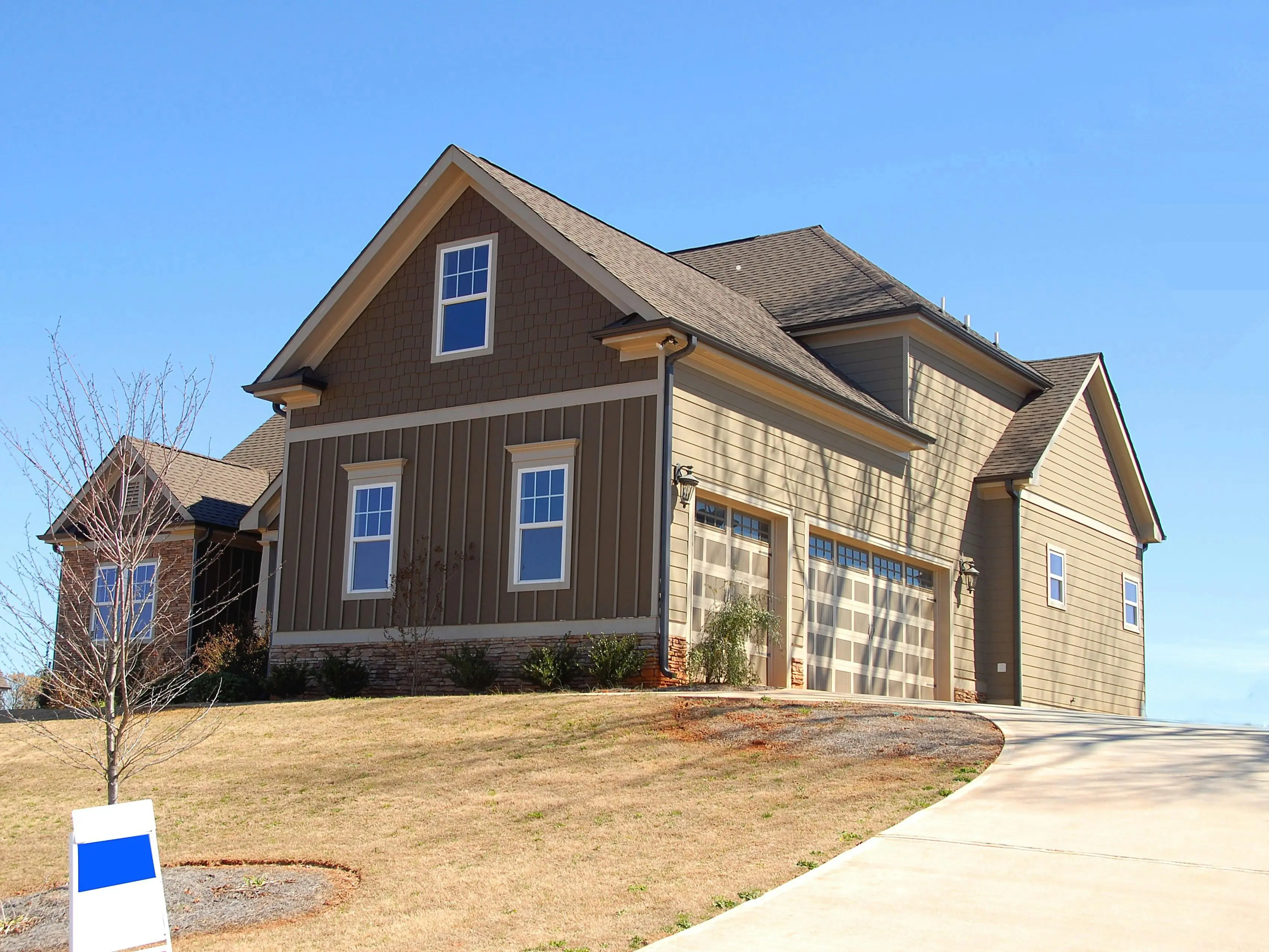
Why Matching Your Driveway to Home Architecture Matters
Your driveway is the red carpet to your front door. When it echoes the lines, colors, and personality of your house, curb appeal jumps overnight—and so does resale value. A mismatched slab, on the other hand, can make even a million-dollar home feel disjointed.
The good news? You don’t need an architect’s degree to get it right. In this guide, you’ll learn how to pair materials, patterns, and accents with six common American home styles, plus budget-friendly ways to upgrade without a full replacement.
Three Design Principles Every Homeowner Should Know
1. Respect the Era
A 1920s Craftsman demands different textures than a 2020s modern farmhouse. Keep the driveway historically honest and the whole property looks intentional.
2. Repeat Key Lines
If your roof has bold horizontal eaves, echo that with a wide, low-profile drive. Vertical board-and-batten siding? Consider long, linear paver layouts.
3. Balance Hard & Soft
Even the prettiest pavers feel cold without greenery. Plan planter strips or turf joints every 8–10 ft to break up expanse and manage runoff.
Style-by-Style Material Cheat Sheet
Colonial & Federal Homes
Best materials: Brick (tumbled or classic), rectangular concrete pavers in brick-like sizes, dark gray asphalt with a brick soldier course border.
Pattern tip: Herringbone or running bond keeps the formal symmetry these homes are famous for.
Color cue: Match the mortar tone of your house bricks for seamless flow.
Craftsman & Bungalow
Best materials: Exposed aggregate concrete, stamped slate texture, or earth-tone permeable pavers.
Pattern tip: Use a border that mirrors porch pillars—typically 6–8 in wide.
Extra charm: Inlay a 2-ft square Craftsman motif (think quatrefoil) at the walkway intersection.
Mid-Century Modern
Best materials: Smooth broom-finish concrete, linear porcelain pavers, or dark limestone tiles.
Pattern tip: Run planks lengthwise toward the front door to emphasize the low, horizontal roofline.
Color cue: Stick to 1–2 tones. Mid-century palettes love contrast—charcoal slab with a white aggregate sparkle works wonders.
Mediterranean & Spanish Revival
Best materials: Clay brick, warm limestone, or travertine with a tumbled edge.
Pattern tip: Fan or circular patterns play off arched windows and wrought-iron details.
Heat hack: Light-colored stone stays cooler under bare feet—key around pool courtyards.
Modern Farmhouse
Best materials: Poured concrete with saw-cut control joints, black-stained asphalt, or mega-size concrete slabs (24×24 in) separated by 2-in grass joints.
Pattern tip: Large grids reduce visual clutter against white board-and-batten.
Accent idea: Edge the apron with reclaimed brick to nod to classic farm lanes.
Contemporary & Minimalist
Best materials: Polished concrete, basalt plank pavers, or resin-bound gravel for a seamless look.
Pattern tip: Hide control joints under outdoor lighting strips for a floating effect at night.
Drainage: Slot drains recessed in the slab keep lines clean and meet code.
Color & Texture Coordination 101
Match the Roof or the Trim?
Rule of thumb: if the driveway sits lower than the first floor, pair it with the roof so it doesn’t look like a separate island. If it’s elevated (walk-out basement lots), match trim or foundation stone instead.
Texture Play
Smooth stucco walls love a little grit below—think exposed aggregate or brushed concrete. Conversely, rough stone veneer walls balance well with sleek, large-format pavers.
Test Before You Invest
Order 2×2 ft samples and place them wet. Colors darken 10–20 %, and that “warm gray” can turn cold once sealed. Live with the sample for 48 hours, morning to night.
Drainage & Landscaping That Enhances Architecture
Permeable Options
Permeable pavers or resin-bound gravel let rain soak through, reducing puddles and meeting many city runoff rules. Best for Craftsman, Farmhouse, and Colonial styles that embrace natural materials.
Grading Tricks
Keep a 1 % slope (1 in every 8 ft) away from the house. For Mid-Century and Contemporary homes with flat rooflines, a slot drain at the garage door keeps the slab looking level while still moving water.
Green Borders
A 12-in ribbon of mondo grass or creeping thyme softens hard edges without hiding architectural details. Mediterranean homes pop with lavender; Farmhouses love dwarf boxwood for year-round structure.
Budget-Friendly Upgrades (No Full Tear-Out Needed)
Stencil & Stain
Concrete in good shape can be saw-cut into 24-in squares, then stained two tones—charcoal and sandstone—to mimic expensive stone for under $4 sq ft.
Border Revive
Install a contrasting brick or cobble border (5–6 in wide) along existing asphalt. Installed price: $8–$12 per linear ft, instant custom look.
Lighting Integration
Low-voltage LED strips tucked into joint lines highlight geometric patterns and boost safety. Solar spike lights run $30 each and take 30 minutes to install.
When Replacement Is Smarter Than a Makeover
- Alligator cracks wider than ½ in—patching won’t last.
- Foundation settling creates trip hazards greater than ¼ in.
- Drainage flows toward the house even after regrading.
- You’re switching from asphalt to permeable pavers—overlaying rarely meets permeability specs.
Hiring the Right Driveway Designer
Ask for Architectural Portfolio
Any contractor can pour concrete. You want photos of at least three projects that match your home style.
Verify ICPI & ASTM Certifications
Interlocking Concrete Paver Institute certification ensures proper base prep—critical for freeze-thaw zones.
Get a Color Mock-Up
Reputable pros will cast a 3×3 ft color sample on-site for approval before the full pour.
ROI & Appraisal Insights
Remodeling magazine’s 2023 Cost vs. Value Report puts average asphalt replacement ROI at 101 % in the Mid-Atlantic region. Architectural-grade concrete pavers jump to 105 % when they complement the home style. Appraisers note “consistent hardscape” as a top five curb-appeal factor, often adding $8k–$12k to perceived value on a $400k home.
FAQ
Yes. Professional-grade concrete stains or tinted sealers can shift color dramatically for $2–$4 sq ft. Make sure the slab is clean, fully cured, and free of sealers that conflict with the new product. Always test a 4×4 ft area first.
Dark gray asphalt with a brick-red soldier course border gives the classic look without the weeds. Seal every 3–4 years and you’re set. If you want true brick, choose polymeric sand joints to cut down on maintenance.
Scale it to your home’s trim. Cottages look fine with 4-in borders; two-story Colonials need 6–8 in to feel proportional. Contemporary homes can go up to 12 in for a bold frame.
Absolutely—if installed on an open-graded stone base (ASTM No. 57 stone). The air gaps allow freezing water to expand sideways, reducing heave. Choose pavers rated for at least 8,000 psi and verify your contractor uses a geotextile fabric to prevent stone migration.