
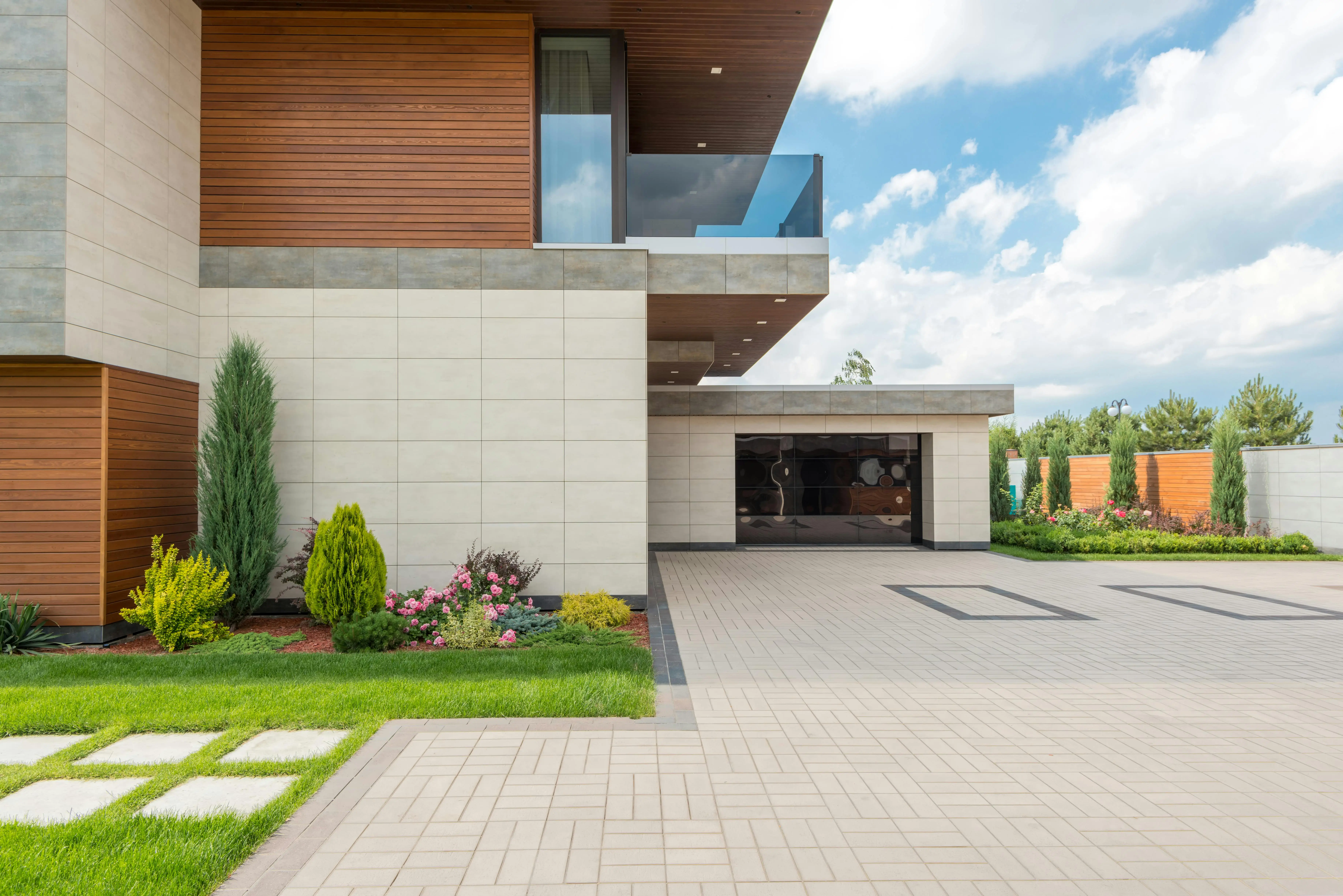
Why Low-Maintenance Driveway Materials Matter
Choosing the right driveway surface isn’t just about curb appeal—it’s about how much weekend time you want to spend sweeping, sealing, and patching. A low-maintenance driveway keeps more money in your pocket and more Saturdays on your calendar.
In this guide we rank the most popular driveway materials from “set it and forget it” to “needs TLC every season.” We weigh durability, upkeep tasks, climate tolerance, and 15-year cost so you can pick the surface that fits your lifestyle and budget.
How We Ranked the Materials
We scored each option on four homeowner-friendly metrics:
- Annual Upkeep Time – hours per year the average DIYer spends cleaning, sealing, or repairing.
- Typical Repair Cost – out-of-pocket spend for common fixes (cracks, potholes, stains).
- Climate Resilience – how well the surface stands up to freeze-thaw cycles, UV, and road salt.
- Lifespan – realistic life expectancy with basic care.
Materials are ordered from lowest to highest maintenance burden. Prices reflect 2024 U.S. averages for a standard 600 sq ft two-car driveway.
1. Permeable Interlocking Concrete Pavers (PICP) – The True “Set & Forget” Option
Why PICP Wins
- Zero seal coating ever.
- Individual pavers can be swapped out in 15 minutes if one chips.
- Built-in drainage reduces ice patches and salt use.
Upkeep Checklist (30 min/year)
- Blow or sweep debris twice a year.
- Re-fill joints with ASTM #9 stone every 3–4 years.
15-Year Cost Snapshot
Installed: $14–$18 sq ft | Repairs: <$200 total | Lifespan: 30–40 years
Pro Tip
Choose a darker paver color in snowy regions; it absorbs heat and melts snow faster, cutting shovel time.
2. Stamped Concrete with Penetrating Sealer – Almost Zero Touch
Maintenance Reality
A quality penetrating silane-siloxane sealer applied every 5–7 years keeps water and salt out. No resealing every spring like film-forming acrylics.
Quick Care Guide
- Rinse off fertilizer, oil, and mulch tannins within 24 hours to prevent staining.
- Use a plastic shovel edge to avoid chipping the pattern.
15-Year Cost Snapshot
Installed: $12–$16 sq ft | Reseal: $550 every 6 years | Lifespan: 25+ years
3. Exposed Aggregate Concrete – Texture That Hides Imperfections
Why It’s Low-Maintenance
The pebbled surface camouflages minor stains and tire marks, so you pressure-wash half as often as plain concrete.
Annual Tasks
- Apply a breathable silane sealer every 4–5 years.
- Spot-fill pop-outs with polymer-modified cement in 10 minutes.
Cold-Climate Bonus
The textured finish gives better traction under snow, reducing salt demand by up to 30 %.
4. Warm-Mix Asphalt with Rubberized Sealer – The “Good Enough” Choice
What “Low-Maintenance” Really Means
You still seal every 3–4 years, but modern rubberized sealers go on thinner and last longer than old coal-tar products.
DIY Seal Day (2 hrs, $120)
- Buy 5-gal buckets, not watered-down big-box sealer.
- Seal in late afternoon to stop rapid drying.
- Keep cars off 24 hrs; foot traffic OK after 3 hrs.
Watch-Outs
Gasoline softens asphalt. Keep a drip pan under older lawn equipment and wipe spills immediately.
5. Stabilized Gravel with Geo-Grid – The Budget “Almost” Low-Maintenance
Why It’s on the List
Plastic geo-grid holds the stones in place, cutting raking by 70 % and eliminating “throwing gravel back into driveway” every spring.
Annual To-Do (45 min)
- Add one ½-in layer of fresh stone every 2–3 years (about 3 tons for 600 sq ft).
- Spot-treat weeds with vinegar-based spray.
Downside
Still tracking dust and small stones into the garage. Use a landscape edging with 1-in reveal to knock stones off tires.
6. Plain Gray Concrete – Simple but Needs Seasonal Attention
Hidden Maintenance
Crack control joints must be caulked every 5 years to stop water infiltration and freeze-thaw spalling.
15-Minute Winter Habit
Switch to calcium magnesium acetate (CMA) ice melt; standard rock salt eats concrete for breakfast.
7. Clay Brick Pavers – Classic Look, Higher Effort
Why It Scores Lower
- Bricks can spall in snowy climates unless you use severe-weather grade (SW).
- Moss likes to grow in shaded areas—expect a yearly light pressure wash.
Keep It Easy
Sand-set rather than mortar-set; lifting and relaying a brick takes 5 minutes versus chipping out old mortar.
8. Natural Stone (Flagstone, Bluestone) – Gorgeous but Demanding
Maintenance Headaches
- Irregular joints invite weeds; plan on polymeric sand touch-ups every 2 years.
- Some sandstones flake under road salt—seal every 2 years with breathable stone sealer.
When It Makes Sense
Perfect for accent walkways or ultra-high-end homes where aesthetics trump labor.
Quick-Look Cost & Time Table
| Material | Install Cost (600 sq ft) | Annual Upkeep Hours | 15-Year Upkeep $ |
|---|---|---|---|
| PICP | $9,600 | 0.5 | $200 |
| Stamped Concrete | $8,400 | 1 | $550 |
| Exposed Aggregate | $7,800 | 1 | $650 |
| Asphalt | $4,800 | 2 | $1,100 |
| Stabilized Gravel | $2,700 | 1 | $900 |
| Plain Concrete | $6,000 | 2 | $800 |
| Clay Brick | $10,200 | 3 | $1,400 |
| Natural Stone | $13,500 | 4 | $2,000 |
How to Pick the Right Low-Maintenance Driveway for Your Home
Match Climate First
- Freeze-thaw zones: PICP or exposed aggregate tolerate salt and expansion.
- Hot sunny states: Stamped concrete with UV-stable sealer resists color fade.
Balance Budget vs. Time
Stabilized gravel costs the least up front but needs fresh stone every few years. If you’d rather write one big check and be done, PICP or stamped concrete wins.
Consider Future Home Sale
Buyers love paver driveways—expect 70 % ROI at resale versus 55 % for plain asphalt.
Frequently Asked Questions
Permeable interlocking concrete pavers (PICP). Sweep twice a year, top up joint stone every 3–4 years, and you’re done—no sealers, no cracks to fill, and individual pavers can be replaced in minutes.
No. Every surface needs occasional cleaning and minor repairs. “Low-maintenance” means you measure upkeep in minutes or dollars per year, not weekends or thousands.
Stabilized gravel and small paver patios are DIY-friendly. For PICP, stamped, or exposed aggregate, professional installation ensures proper base compaction and sealer coverage—mistakes lead to early failure and higher long-term costs.
Choose a darker color to hide tire marks, rinse oil spills within 24 hours, and switch to calcium magnesium acetate ice melt in winter. These tiny habits add years before any major maintenance is needed.