
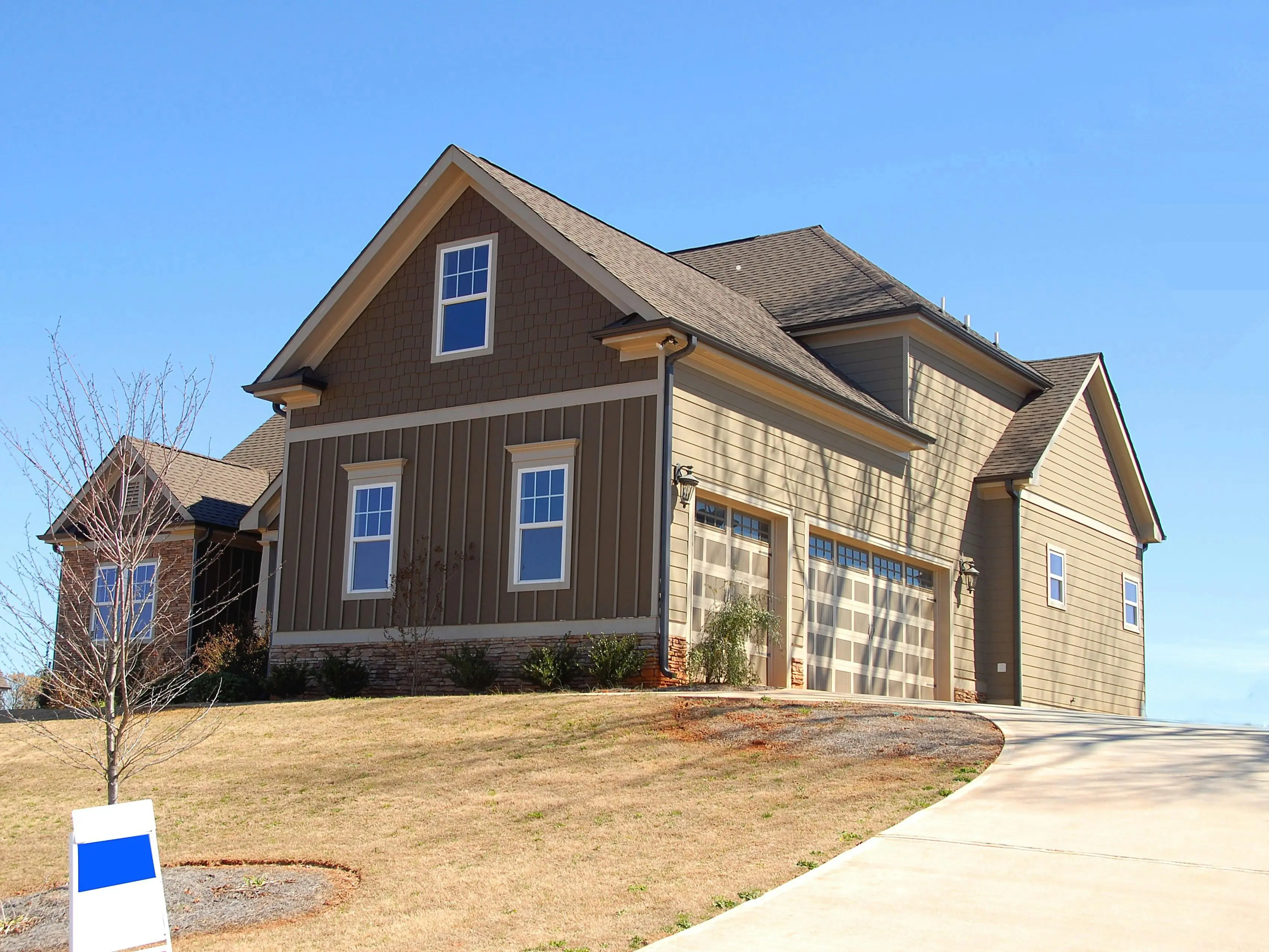
Why the Driveway Matters on an Investment Property
First impressions start at the curb. A cracked, weed-filled driveway tells tenants and future buyers the owner cuts corners. A smooth, well-drained surface signals that maintenance is taken seriously—justifying higher rent and a faster sale.
On an investment property driveway you have two masters: the budget spreadsheet and the long-term asset value. Spend too little and you’ll be back patching potholes in 18 months. Spend too much and the extra dollars may never come back in rent or resale. The sweet spot is durable quality at the right price.
Step 1: Plan with the End in Mind
Define the Property Strategy
- Buy-and-hold rental: Prioritize low upkeep and tenant-proof materials.
- Fix-and-flip: Choose surfaces that photograph well and boost curb appeal without over-improving the neighborhood.
- Short-term rental (Airbnb): Extra parking stalls or an RV pad can command higher nightly rates.
Check Local Codes & HOA Rules Early
Many cities restrict impervious coverage, require 2–5 ft setback from property lines, or ban certain colors in historic districts. Print the rules before you price materials; a last-minute redesign can blow the budget.
Measure & Sketch the Layout
Use a free app (MagicPlan, Measure Map) to calculate square footage. Note:
- Existing slope and drainage direction
- Utility lines (call 811)
- Overhead branches that drop sap or leaves
Bring the sketch to contractors; it speeds up bidding and prevents “extras” later.
Step 2: Compare Driveway Materials for ROI
Asphalt—The Landlord Favorite
Cost: $3–$5 per sq ft installed (central U.S.). Lifespan: 15–20 years with sealcoat every 3–5 years. Pros: smooth, snow-plow friendly, 24-hour cure time. Cons: needs periodic sealing, softens in extreme heat, oils can track indoors.
ROI tip: Use a 2-inch base overlay on solid sub-grade instead of full 4-inch removal to cut 30% off the bid—acceptable for rentals if the foundation is sound.
Concrete—The Flipper’s Shine
Cost: $6–$9 per sq ft (plain broom finish). Lifespan: 25–40 years. Pros: crisp look, minimal upkeep, reflects heat. Cons: stains show, salt damage in freeze zones, cracks are expensive to patch.
ROI tip: Add a colored border or exposed-aggregate band (extra $1 sq ft) for magazine-worthy photos that still cost less than full decorative concrete.
Permeable Pavers—The Storm-Water Gamble
Cost: $10–$14 per sq ft. Lifespan: 25+ years. Pros: earns storm-water credits, reduces ice buildup, eco appeal. Cons: higher install price, joints can clog with debris, requires semi-annual vacuuming.
ROI tip: Only choose if the city offers a rebate or if upscale comps in the neighborhood have them; otherwise you’ll over-improve.
Gravel—The Cash-Flow Quick Fix
Cost: $1–$2 per sq ft. Lifespan: indefinite with replenishment. Pros: cheapest upfront, great drainage, DIY-friendly. Cons: ruts migrate, weeds pop, not snow-plow friendly, some cities ban it for vacant rentals.
ROI tip: Install geotextile fabric plus ¾-inch crushed limestone with fines—it locks together and cuts rutting by 50%.
Step 3: Build a Realistic Budget
Price Beyond the Square Foot
- Removal & disposal: $1–$2 per sq ft (asphalt), $2–$3 (concrete)
- Sub-base repair: $0.50–$1 per sq ft if soft spots need re-compaction
- Edge restraints or apron tie-in: $3–$4 per linear ft
- Permit fees: $75–$250 flat in most municipalities
Set a Contingency Line Item
Add 10% for rentals, 15% for flips. Hidden issues—buried concrete chunks, clay soil—appear once milling starts. Having cash on hand keeps the crew on schedule; downtime costs more than gravel.
Financing Options for Investors
- Portfolio lender: Roll driveway into a refinance if the appraisal supports it.
- 0% credit-card float: Works on short flips; pay off at closing.
- Equipment-leasing program: Some paver companies offer 12-month same-as-cash on jobs over $5k.
Step 4: Vet Contractors Like a Pro
Must-Have Documents
- Proof of general liability (minimum $1 M) and workers comp
- State license number—verify online
- Recent references within 10 miles of the property
Compare Apples-to-Apples Bids
Ask each contractor to break out:
- Total square footage (measure yourself so they can’t pad)
- Layer thickness—e.g., 4-inch concrete vs. 2-inch asphalt
- Base material type—DOT-approved 21-A vs. random gravel
- Warranty length and what’s covered (cracks >¼ inch, settling >½ inch)
Negotiate Without Cutting Quality
Offer a flexible start date in exchange for 5–7% off. Contractors love filling gaps between commercial jobs. Ask for a “first-out” morning slot—crews are fresher and less likely to rush.
Step 5: Protect Your Investment with Low-Cost Maintenance
Seasonal Checklist
- Spring: Power-wash, fill cracks, reseal asphalt every 3–5 years ($0.15 sq ft DIY)
- Summer: Trim tree limbs 10 ft back to reduce sap and root intrusion
- Fall: Blow leaves weekly; tannic acid stains concrete
- Winter: Use calcium chloride instead of rock salt to prevent spalling
Write Driveway Care into the Lease
Specify: no oil changes on driveway, no metal snow shovels, report cracks wider than a nickel within 7 days. A one-sentence clause saves thousands in preventable damage.
Document with Photos Annually
Date-stamped images prove pre-existing condition if tenant damage disputes arise—and they help when claiming depreciation on taxes.
Tax & Insurance Considerations
The IRS classifies a new driveway as a land improvement, depreciated over 15 years (vs. 27.5 for the building). Keep invoices; section 179 may allow partial first-year expensing if you meet the qualifying improvement criteria. Notify your insurer once the upgrade is complete—some carriers reduce liability premiums when trip hazards are eliminated.
FAQ: Investment Property Driveways
Most residential jobs (600–1,000 sq ft) take 1–2 days to install plus 2–3 days cure time before parking. Weather and base prep can add 24–48 hrs.
Yes, but only if the concrete is stable and you mill joints to prevent reflective cracking. Budget an extra $0.75 per sq ft for bonding tack coat. If the slab has major heave or settlement, remove it first.
Spread ¾-inch crushed limestone with fines, rake level, and compact with a rented plate tamper. Add a 12-inch geotextile strip on problem edges to reduce washout. Cost: ~$250 for a 12×30 ft pad.
Possibly. Assessors typically revalue after permits are closed. Expect a modest bump—usually far less than the market value gain. Keep before/after photos and comps to dispute excessive increases.