
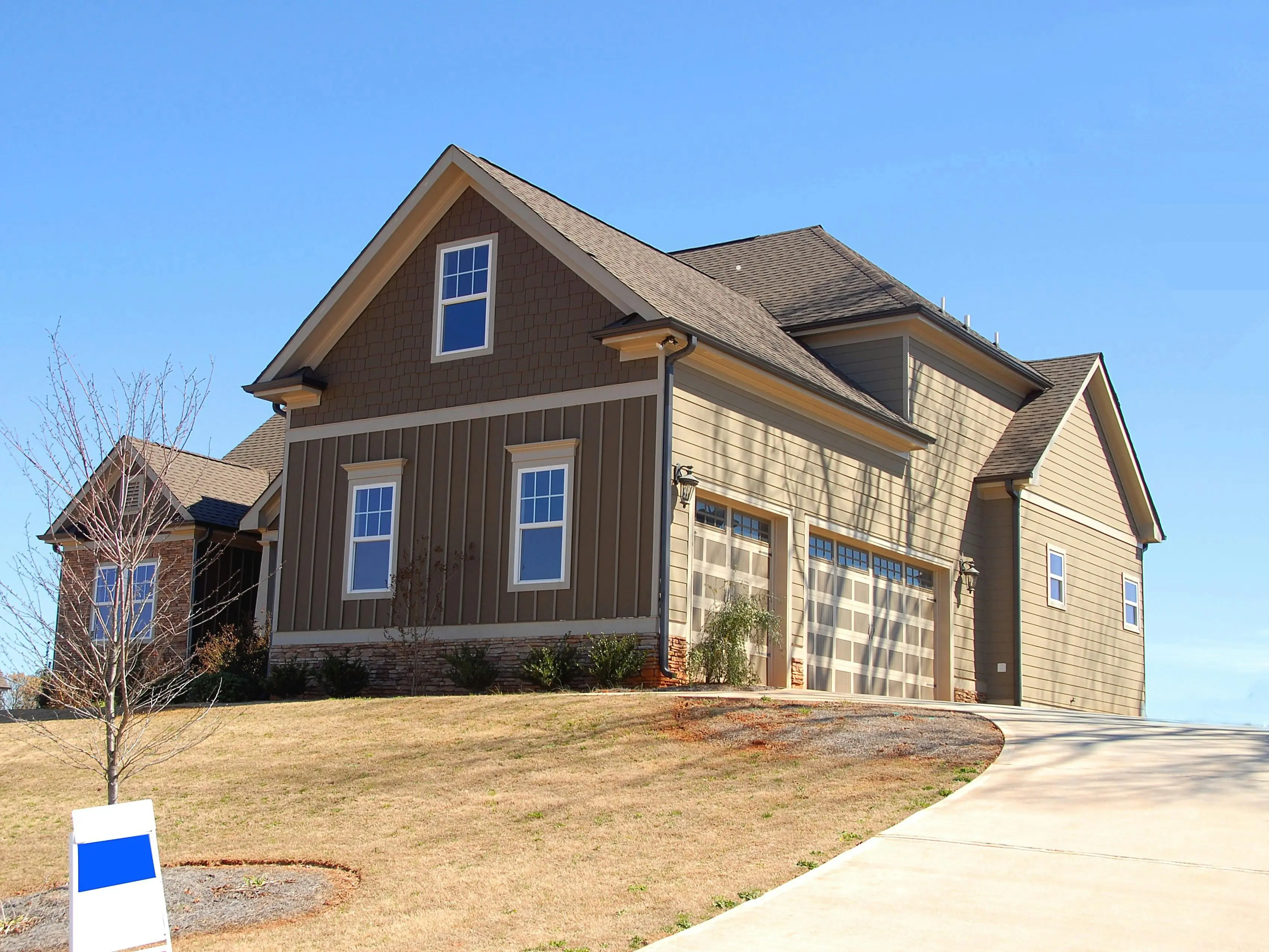
How to Prepare Your Property for Driveway Installation
Installing a new driveway is one of the fastest ways to boost curb appeal and protect your vehicles. Yet the success of asphalt, concrete, paver or gravel driveways is decided long before the first truck arrives. By knowing how to prepare your property for driveway installation, you can avoid costly change-orders, prevent drainage disasters and enjoy a finished surface that lasts decades.
This guide walks you through every homeowner task—simple yard work to permit paperwork—so the crew can start work the moment they roll up. Follow these steps and you’ll save time, money and headaches.
1. Check Local Rules & Secure Permits
Driveway projects almost always touch public right-of-way. Cities and HOAs want to review your plans before you disturb sidewalks, curbs or utility strips.
Call the Building Department
- Ask if a “approach” or “curb-cut” permit is needed.
- Request setback, width and radius requirements.
- Verify sidewalk replacement rules—many towns make the homeowner pay if the slab cracks later.
HOA & Historic Boards
Submit material samples and a site sketch. Colored concrete or permeable pavers sometimes require extra approval.
Build Extra Time Into the Schedule
Permits can take 5–15 business days. Apply before you book the contractor so material deliveries aren’t sitting in your yard.
2. Verify Property Lines & Easements
Nothing derails a job faster than a neighbor claiming you’re paving their land.
Locate Pins or Hire a Surveyor
Iron pins are often buried 2–4 inches below grade. If you can’t find them, spend $350–$600 on a residential survey—far cheaper than removing and re-pouring concrete later.
Check Plats for Utility Easements
Water, sewer and gas lines frequently run in the front 10–15 ft of your yard. Paving over them can block future repairs and void municipal warranties.
3. Design for Function & Drainage
A pretty driveway that pools water will crack in two seasons. Spend an hour outside during a heavy rain and watch where water flows.
Minimum Slope Guidelines
- Asphalt & concrete: 1% (1/8 in. per foot) away from garage
- Permeable pavers: 0.5–1% for infiltration, 2% max to avoid erosion
- Gravel: 2–5% so water runs off without washing stone away
Swales & Culverts
If the lawn slopes toward the street, add a shallow swale or 12-in. plastic culvert under the driveway so yard water doesn’t travel over the new surface.
Turnaround & Parking Bays
A 10-ft wide single car drive feels tight next to planted beds. Consider flaring the apron to 14 ft or adding a 20-ft turnaround pad so you never have to back into traffic.
4. Call 811 & Relocate Obstacles
Mark Utilities
Call 811 at least three business days before breaking ground. Paint marks are valid for a set number of days—schedule contractor prep within that window.
Move Sprinkler Heads & Valve Boxes
- Flag every head in the proposed drive path.
- Cap lines or reroute them around the edge; pavers can be lifted later, asphalt cannot.
Trim Trees & Roots
Cut branches to 12 ft above grade so dump trucks clear them. Roots over 1 in. thick under the slab will eventually lift concrete—remove them now and install a root barrier cloth along wooded edges.
5. Clear & Strip the Site
Remove Old Pavement & Base
Contractors typically handle this, but homeowners can save $300–$500 by breaking up small sections with a rented jackhammer and hauling chunks to a local recycler.
Dispose of Organic Topsoil
Grass and topsoil are too spongy for a stable base. Strip 8–12 in. of material across the entire drive footprint and stockpile it for future landscaping elsewhere.
Protect What Stays
Wrap nearby columns, porch posts or air-conditioner pads with ½-in. plywood so heavy equipment doesn’t scar them.
6. Prepare a Rock-Solid Base
Base preparation is 70% of driveway life. Cutting corners here leads to potholes and frost heave.
Choose the Right Aggregate
- Crushed limestone or recycled concrete (¾-in. minus) interlocks under compaction.
- Round river rock never “locks,” so avoid cheap “drain rock” as a base.
Install in Lifts
Add 3–4 in. of aggregate at a time and compact with a plate compactor (handheld for DIY, ride-on for pros). Aim for 98% Standard Proctor density—your contractor should own a nuclear density gauge to prove it.
Geotextile Fabric on Soft Soils
Clay or peat soils benefit from a woven geotextile between sub-grade and first rock lift. It stops aggregate from disappearing into the mud and adds tensile strength.
7. Adjust Garage Floor & Entry Height
A new layer of asphalt or pavers can raise the drive surface 3–5 in., creating a lip that traps water—or snow—inside the garage.
Measure Existing Clearances
Ideally, the driveway sits 1–2 in. below the garage floor. If it’s too high, request a “lowered apron” detail where the slope begins inside the door.
Install Expansion Joint
Place a ½-in. fiber or cork joint against the garage slab so the new pavement can expand without pushing on the foundation.
8. Final Water Management Touches
Trench Drains
Driveways sloping toward the house need a trench drain across the door. Pre-cast polymer concrete runs $70–$90 per linear foot installed.
Edge Restraints & Borders
Paver drives require snap-edge or concrete curbs to stop lateral spread. Asphalt benefits from a concrete mow-strip that contains the outer 6 in. prone to crumbling.
Downspout Redirects
Route roof water under the new drive using 4-in. schedule-35 drain pipe day-lighted to the curb. A single plugged downspout can dump 500 gal. of water beside your fresh base.
9. Plan Contractor Access & Storage
Staging Area
Offer a side yard or portion of the street (with city permission) for aggregate piles. Keep the area free of vehicles the night before work starts.
Overhead Wires
Dump trucks need 14 ft of vertical clearance. Call the utility to drop the service wire temporarily if it hangs low.
Pet & Kid Safety
Tar, hot asphalt and heavy equipment spell danger. Post temporary fencing or bright flags so youngsters and pets stay clear.
10. Budget for the “Hidden” Line Items
When you prepare your property correctly, surprise charges disappear.
- Permit & inspection fees: $50–$300
- Survey to locate pins: $350–$600
- Sprinkler reroute: $5–$12 per linear foot
- Tree root pruning or removal: $150–$1,200 each
- Extra base material due to soft soils: $15–$25 per ton
- Trench drain or culvert: $70–$90 per ft
Bundle these tasks during site prep and contractors can price the job firm instead of “allowance,” saving 5–10% overall.
Printable 24-Point Checklist
- Call city for permit packet
- Submit HOA forms
- Locate property pins (hire surveyor if needed)
- Mark easements on a sketch
- Photograph existing drainage during rain
- Draw proposed drive width & radii
- Dial 811—wait for utility marks
- Flag sprinkler heads & valve boxes
- Cap or reroute irrigation lines
- Trim tree limbs 12 ft up
- Cut surface roots & install barrier
- Remove old pavement or hire breakout
- Strip 8–12 in. of topsoil
- Stockpile topsoil elsewhere in yard
- Stage aggregate delivery area
- Verify overhead wire height
- Compact base in lifts to 98% density
- Add geotextile fabric if soil is soft
- Check garage floor height vs. new surface
- Install expansion joint at garage
- Plan trench drain if slope reverses
- Redirect downspouts under drive
- Arrange temporary street parking for neighbors
- Post safety signs for kids & pets
Tick every box and your contractor will thank you with a smoother schedule—and often a discount for reduced downtime.
Frequently Asked Questions
Most cities treat any curb-cut or approach work as public right-of-way activity, so yes. Even if you’re swapping asphalt for asphalt, the inspection ensures proper slope and re-establishment of sidewalk joints. Fines for skipping the permit can exceed the permit fee by 5×.
Industry standard is 1–2 in. lower. That small step keeps rain, melting snow and oil drips from entering the garage. If your existing floor is already close to grade, ask for a lowered apron or a trench drain inside the door.
Heads and pipes directly under the new drive must be moved or capped. Paver driveways can be lifted later for repairs, but asphalt and concrete are permanent. A broken line under 4 in. of asphalt is expensive to reach.
Clay and crushed stone mix over time, causing settlement cracks within 1–2 years. Geotextile separates the layers, adds tensile strength and can double the life of your base for an extra $0.50 per square foot—cheap insurance.