
Why Hot Climates Demand a Smarter Driveway Choice
Florida’s year-round sun, afternoon thunderstorms, and salt-laden air punish driveways faster than almost any other state. A material that looks great in a magazine can fade, rut, or crumble here within a few summers. The right surface, installed correctly, keeps your curb appeal high, your tires clean, and your repair bills low.
Below, we break down the five most Florida-friendly driveway materials, how they handle heat, humidity, and hurricanes, and what you can expect to pay over a 20-year span.
1. Concrete: The Cool Classic—If You Customize It
Why Concrete Works in Hot Climates
- Light-colored mixes reflect solar radiation, lowering surface temps by 15-25 °F vs. dark asphalt.
- High compressive strength resists rutting from SUV and boat trailer traffic.
- Non-flexible surface sheds water fast—great for sudden 3 p.m. downpours.
Florida-Specific Upgrades
- Fiber reinforcement: Micro-polymer fibers cut hairline cracks from thermal cycling.
- Low-water mix design: Reduces surface shrinkage cracks common in 90 °F pours.
- Silane-siloxane sealer every 3 years: Blocks chloride ions carried in sea air that rust rebar.
- Light reflective color hardener: Keeps the slab cooler for barefoot kids and pets.
Expected Life & Cost
Driveway life: 25–30 years. National avg. install: $8–$12 / sq ft. In Florida, add 8 % for fiber and vapor retarders—still cheaper than replacing a failed surface in 10 years.
Quick DIY Test
Sprinkle a few ounces of water on your existing concrete at 2 p.m. If it beads for 20 seconds, the sealer is intact. If it soaks in immediately, schedule resealing before summer.
2. Concrete Pavers: Flexible, Fancy, and Heat-Resistant
Heat Performance
Individual pavers expand and contract microscopically, so you won’t see the 20-ft cracks that plague slab concrete. Light-colored “shell” or “limestone” blends stay up to 40 °F cooler than asphalt.
Hurricane & Flood Perks
- Permeable paver joints let 5–9 in. of rain per hour drain through, reducing puddles and HOA letters.
- If a tree limb gouges the driveway, you lift out the damaged pieces and relay new ones—no patches that look like scars.
Install Tips for Hot Climates
- Demand an open-graded stone base (ASTM #57 stone) 6 in. thick—creates a thermal blanket that limits surface movement.
- Use polymeric sand with a UV stabilizer; cheaper versions wash out during Florida’s monsoon season.
- Seal the surface with a water-based, breathable sealer right after install, then every 4–5 years. Oil-based sealers can turn milky under intense sun.
Bottom Line
Up-front price: $14–$18 / sq ft. Lifetime: 30–40 years. Best choice for homeowners who want a premium look and plan to stay 10+ years.
3. Asphalt: Budget-Friendly but Needs Summer TLC
How Heat Affects Asphalt
At 95 °F air temperature, asphalt can hit 140 °F on the surface, softening the binder. Tire steering marks and power-steer divots are common under 3,500-lb pickups.
Making Asphalt Survive in Florida
- PG 76-22 binder: A polymer-modified asphalt designed for “high-temp stiffness.” Ask your contractor for the mix sheet—if you see PG 64-22, it’s a cold-climate blend.
- Light chip-seal topcoat: Broadcast light limestone chips over the fresh mat to reflect sun and add skid resistance.
- Sealcoat every 24 months: Cheaper than replacing the top inch later.
- Keep edges supported: Florida’s sandy soil erodes; add concrete edging or soil-stabilizing geotextile to prevent edge raveling.
Cost Snapshot
$4–$6 / sq ft installed. Budget another $1 / sq ft every 2 years for sealcoating. Expect 15–20 years before a resurface is required.
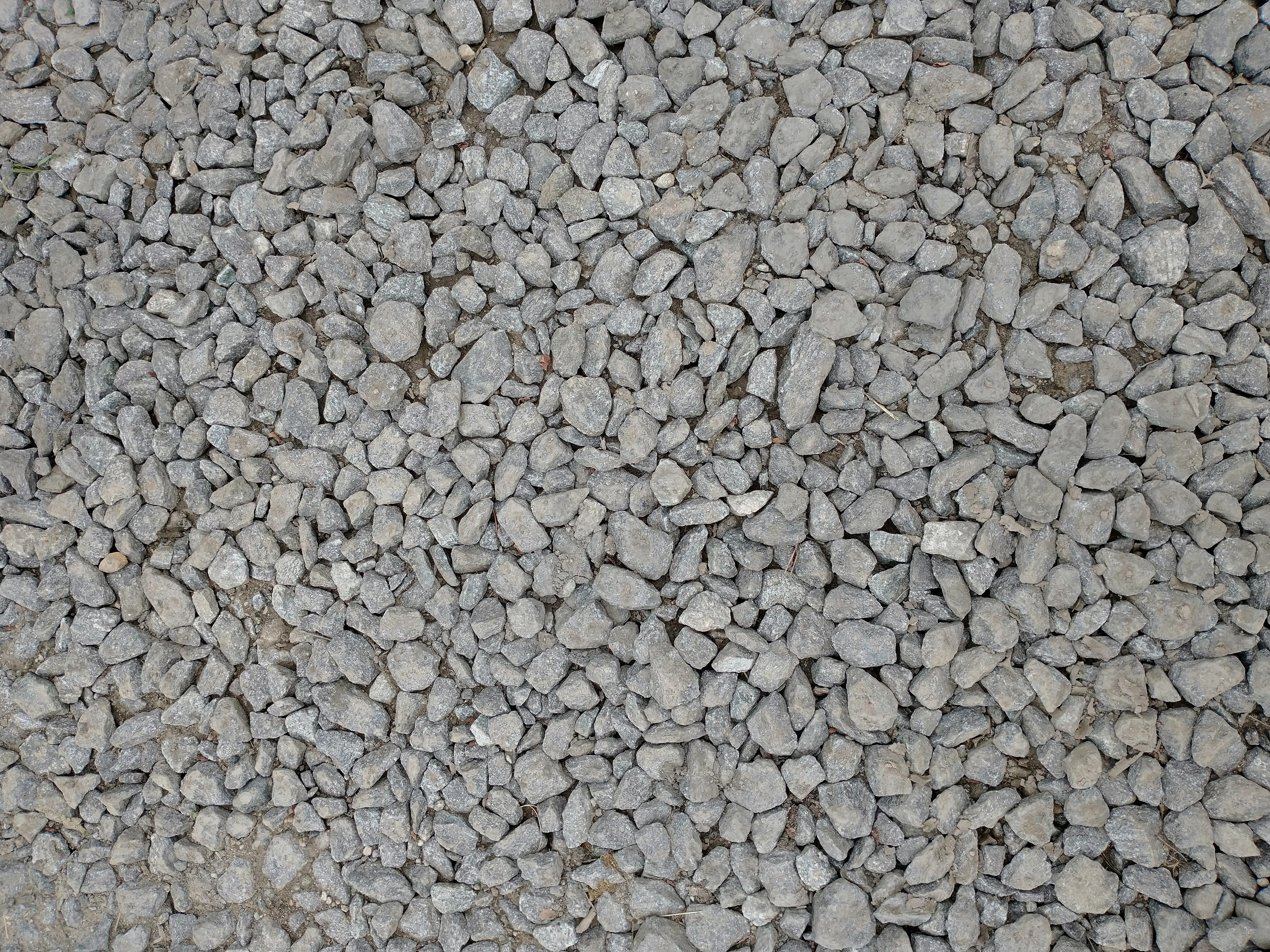
4. Stabilized Gravel: The “Cool” Rustic Option
Benefits in Hot Climates
- Natural light color reflects heat; surface stays cooler than any paved option.
- Zero risk of heat-induced binder bleeding or softening.
- 100 % permeable—meets many Florida county storm-water credits.
Stabilization Tricks for Florida
- Geocell grid: Honeycomb plastic grid (1 in. deep) holds granite chips in place during 4 in. summer downpours.
- Fines control: Use ¼-in. minus granite topped with ⅜-in. chip; too many fines = muddy puddles.
- Edge restraint: Install aluminum or concrete curbs; otherwise, hurricane runoff washes gravel into the street.
Maintenance Rhythm
Rake high spots back into low spots twice a year and add a ½-in. refresh layer every 18 months. Total cost over 20 years: ~$3 / sq ft.
5. Crushed Shell & Coquina: Coastal Aesthetic That Breathes
Why Floridians Love It
Shell reflects heat, packs tight, and blends with beach-town landscaping. Because it’s calcium-based, it actually absorbs CO₂ and becomes harder over time—nature’s self-sealing surface.
Installation Notes
- Start with a 4-in. layer of coquina #57 as a base, then top with 1 ½ in. of washed shell.
- Compact with a 2-ton roller; shell edges can be sharp—wear gloves.
- Keep irrigation sprinklers from hitting the driveway; chlorinated water accelerates algae growth and makes the surface slick.
Expected Cost & Life
$2.50–$4 / sq ft installed. Refresh top layer every 4 years. Lifespan: indefinite if you stay on top of replenishment.
Side-by-Side Comparison for Hot Climates
| Material | Surface Temp @ 95 °F Air | Hurricane Resilience | 20-Year Cost* | Design Flexibility |
|---|---|---|---|---|
| Light Slab Concrete | 125 °F | Excellent | $10 / sq ft | Medium |
| Concrete Pavers | 120 °F | Excellent | $16 / sq ft | Excellent |
| Polymer Asphalt | 140 °F | Good | $9 / sq ft | Low |
| Stabilized Gravel | 115 °F | Fair | $5 / sq ft | Medium |
| Crushed Shell | 110 °F | Fair | $4 / sq ft | High (coastal) |
*20-year cost includes initial install plus routine maintenance, inflation-adjusted to 2024 dollars.
Pro Tips for Every Hot-Climate Driveway
Time Your Install
Schedule concrete or asphalt pours before 9 a.m. from October–April. Summer placements need evaporation retarders and windbreaks—extra cost most homeowners skip, then pay for later.
Shade the Perimeter
Plant fast-growing, hurricane-resistant trees (crepe myrtle, sabal palm) 10 ft from the edge. Shade knocks 10–15 °F off afternoon surface temps and lengthens binder life.
Clean Spills Fast
Florida sun bakes oil drops into the surface within 24 hours. Keep a bag of cheap kitty litter in the garage; step on it to grind absorbency, then sweep.
Post-Storm Checklist
- Inspect for standing water—indicates base erosion.
- Look for tire marks; soft spots mean the binder is overheated.
- Pressure-wash salt and sand off concrete or pavers within a week to prevent pitting.
Frequently Asked Questions About Driveways in Hot Climates
Yes. A 1,000-sq-ft dark asphalt driveway can reach 150 °F and radiate heat toward your home’s foundation. Swapping to a light-colored surface or installing a 3-ft planter buffer can cut radiant heat by 30 %, trimming A/C runtime up to 5 %, according to Florida Solar Energy Center studies.
Hot weather speeds up curing but lowers early strength. Keep the surface moist for 7 days. Light vehicles (car, SUV) can use it after 7 days, heavy trucks or boat trailers after 10 days. Using a curing compound rated for 100 °F buys extra insurance against surface dusting.
Sealant is not a gimmick. UV rays fade dyes, and afternoon rain carries tannic acid from oak leaves that stain unsealed concrete. A quality breathable sealer blocks UV and acids, plus stabilizes joint sand from washing out. Skip it and you’ll re-sand joints every 12 months instead of every 4–5 years.
Rental rollers are too light (1–2 ton) to achieve the 92 % density needed for Florida heat. Within one summer, tire ruts and “scuffing” appear. Leave asphalt to pros with a 3–5 ton roller; DIY is doable only for stabilized gravel or shell where compaction tolerance is lower.