
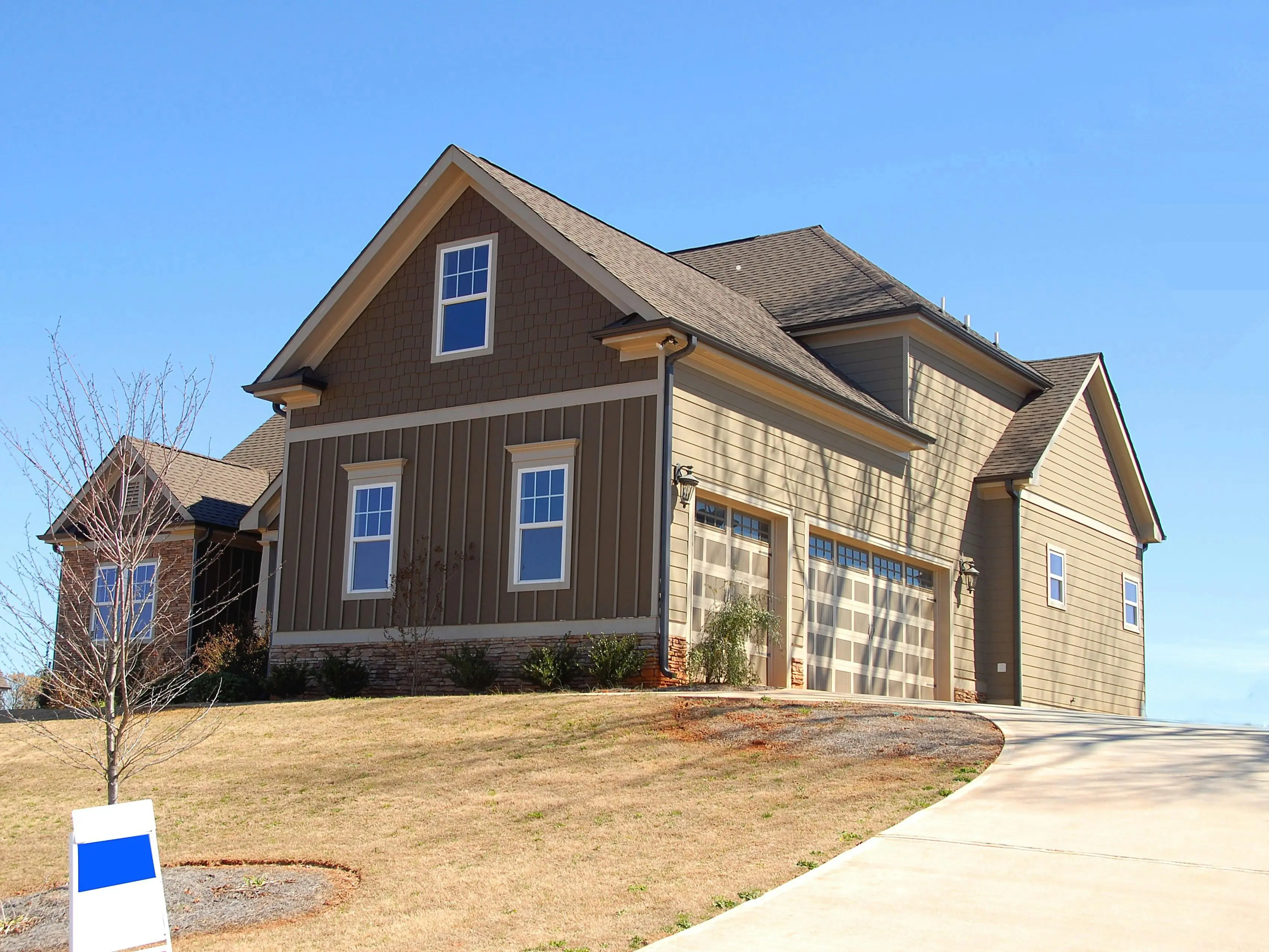
Why Front Yard Design Starts With the Driveway
Your driveway is the biggest single surface in most front yards—often 30–40 % of the total space. That means every decision about its shape, material, and placement ripples through the rest of your landscape. A well-integrated driveway doesn’t just park cars; it frames gardens, guides guests, and can even lower long-term maintenance costs.
In this guide you’ll learn how to treat the driveway as a design asset, not an afterthought. We’ll cover layout tricks, material pairings, green solutions, lighting, and budgeting—everything you need to create a front yard that looks cohesive from the curb to the front door.
Step 1: Map the Flow Before You Pick a Material
Trace the Daily Foot & Tire Path
Walk from the street to your front door, then drive the route slowly. Mark where tires naturally curve, where visitors step out, and where kids cut across the lawn. These “desire lines” tell you the safest, most intuitive driveway shape.
Check the Turn Radius
A standard sedan needs a 17–20 ft inside radius to swing in comfortably. SUVs and crew-cab trucks need 25 ft. Use a garden hose or spray paint to mock up the curve; adjust until you can drive it without backing up or rolling over grass.
Leave 3 ft “Breathing Room” on Each Side
Flank the driveway with a strip of planting or permeable pavers. It keeps car doors out of flower beds, gives snow a place to go up North, and visually softens all that hardscape.
Step 2: Choose Materials That Play Well Together
Concrete: Modern & Minimal
- Brush-finished slabs pair with low ornamental grasses for a prairie look.
- Large score lines (every 4 ft) echo modern fence panels or window grids.
- Add integral color (tan or warm gray) so the surface doesn’t read as “commercial sidewalk.”
Asphalt: Budget-Friendly Black Canvas
Seal-coat every 3 years to keep the deep black tone. Break up the expanse with:
- A 12 in brick soldier course along each edge.
- A circular paver medallion where the drive meets the walk.
- Striped sod ribbons (24 in wide) every 20 ft—works only on low-traffic side strips.
Permeable Pavers: Green Without Giving Up Strength
Open-cell concrete or plastic grid systems handle 60–80 tons/ft², so even a ¾-ton pickup won’t rut them. Fill joints with #8 stone or low-growing thyme. Expect 10–15 % premium over standard pavers; many cities grant storm-water fee discounts that pay the difference in 3–5 years.
Gravel: Rustic but Refined
Use ¾-in crushed granite (angular, not pea gravel) so it locks together. Install geo-textile fabric plus a 4-in packed base to prevent “puppy paw” prints in soft spots. Edge with 4×4 steel or aluminum set flush to the lawn so mower wheels don’t fling stones.
Step 3: Plant for Curb Appeal & Car Safety
Low Winners for the First 5 ft
Anything that grows over 24 in high will block sight lines. Stick with:
- ‘Blue Star’ juniper (24 in, no pruning)
- ‘Elijah Blue’ fescue grass (8–10 in)
- Creeping phlox (spring color, 6 in)
Shade Trees That Won’t Heave Concrete
Choose small-to-medium trees with non-invasive roots planted at least 8 ft from the edge:
- Serviceberry (Amelanchier spp.) – 20 ft, white blooms, edible berries
- Trident maple – 25 ft, great fall color, fibrous roots
- Hedge maple – 25 ft, tolerates air pollution
Lighting for Nighttime Curb Appeal
Down-light from the tree canopy (moon-lighting) eliminates glare on windshields. Use 2700 K LED spots with 35° beam angles, mounted 20 ft high. Space every 25 ft along the drive for even pools of light.
Step 4: Sneak In Sustainable Upgrades
Ribbon Driveways (Old-School Green)
Two parallel 18-in concrete strips support the tires; the middle 2 ft stays grass or groundcover. Reduces impervious surface by 40 %, cutting runoff fees in many cities. Works best on sandy or loamy soils; add perforated drain pipe underneath in heavy clay.
Rain-Garden Bump-Outs
Where the driveway meets the street, lower a 6×10 ft section 4 in and plant with sedges, iris, and cardinal flower. Captures the first 1 in of rainfall, filtering oil drips before they reach storm drains. Keep the curb cut clear of gravel so water can flow in.
Solar Pavers for Modern Flair
Glass-block solar pavers (4×8 in) install like regular units but contain PV cells. One string of 10 can power pathway lights all night. Cost is $90–$120 per paver, so use sparingly—say, a 4-ft wide strip leading to the front step.
Step 5: Dress Up the Edges
Brick or Stone Border
A contrasting edge frames the driveway the way a picture frame offsets art. Budget tip: use reclaimed brick on just the public 20 ft closest to the street; switch to cheaper concrete edging in back where guests rarely look.
Decorative Gates & Piers
Short 3-ft piers built from the same stone as your house veneer instantly add “estate” feel. Cap them with low-voltage lanterns (lumens 200–300) for safe, welcoming light.
House Numbers on the Drive Apron
Stamped or sand-blasted into the concrete, 6-in tall numbers are visible to first responders and delivery drivers. Add a contrasting color stain so they pop at dusk.
Step 6: Keep It Looking New for 20 Years
Seal & Clean Calendar
- Spring: Pressure-wash, re-sand paver joints, spot-seal oil stains.
- Summer: Trim plants so branches never touch car paint.
- Fall: Blow or rake leaves weekly—tannins stain concrete.
- Winter: Use calcium magnesium acetate (CMA) instead of rock salt; it’s plant-safe and won’t pit concrete.
Touch-Up Kit for Homeowners
Keep on hand: 1 gal leftover sealer, tube of concrete crack filler, bag of matching paver sand, and a brick of asphalt cold-patch. Small fixes done the weekend you spot them prevent $2,000 replacements later.
Ballpark Costs & ROI in 2024
Material-Only Prices (per sq ft, USA Midwest)
- Standard concrete: $6–$8
- Stamped/colored concrete: $10–$14
- Asphalt: $3–$5
- Permeable pavers: $9–$12
- Gravel (installed with fabric & edge): $2–$4
Design Extras Worth the Splurge
- Brick soldier course: +$4 / lin ft
- Down-lighting package (5 fixtures, 20 ft tree mount): $900–$1,200
- Rain-garden bump-out (installed): $600–$900
Resale Impact
Remodeling magazine’s 2023 Cost vs. Value report shows a new 600 sq ft concrete driveway returning 67 % at sale. Upgrade to decorative pavers and the figure jumps to 78 % in high-end neighborhoods. Realtors consistently rank an attractive front yard (driveway + plantings) in the top three curb-appeal features buyers notice first.
Frequently Asked Questions
Most cities allow you to widen up to the existing apron (street cut) without a permit, but adding new curb cuts or increasing impervious surface often requires approval. Always call the zoning office; violations can trigger fines and tear-out orders.
Colored and brushed concrete with an integral border stain scores highest for “set-it-and-forget-it.” Seal every 3 years, otherwise just wash it. Add a contrasting paver border at the street edge for custom style without extra upkeep.
Install a 4-in tall aluminum or steel edge restraint set 1 in above the gravel and 3 in below. Back-fill with soil and sod flush to the top of the edging. A leaf blower used weekly keeps stray stones back in bounds.
Yes—when installed over an 8-in graded aggregate base, most commercial permeable pavers are rated for 80 tons/ft², far above the psi exerted by a 7,000-lb truck. The key is yearly vacuuming of joints to prevent clogging.