
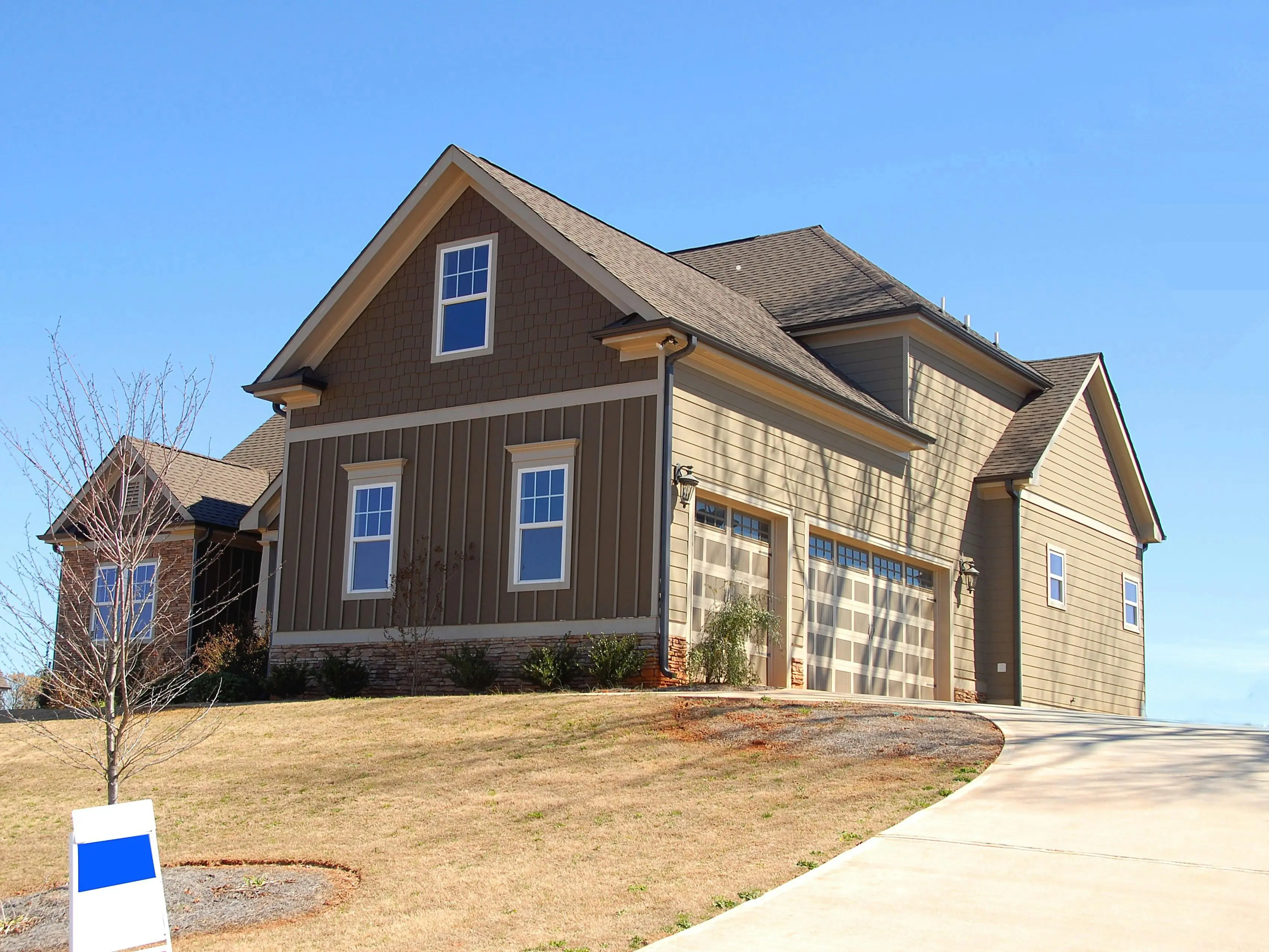
Most buyers decide whether they love a house within the first 7–10 seconds of arrival. Before they step inside, their eyes scan the roofline, the landscaping, and—most importantly—the driveway. A cracked, oil-stained slab instantly signals “deferred maintenance,” while a crisp, well-proportioned entrance whispers “move-in ready.” In short, your driveway sets the emotional tone for the entire showing. Below, we’ll show you exactly how to turn that moment into a competitive edge.
Why the Driveway Is Ground Zero for First Impressions
Real-estate photographers shoot the front elevation first. Listing thumbnails almost always include the driveway and walkway. If either looks tired, online scrollers swipe away before they ever click “schedule tour.” A 2023 National Association of Realtors survey found that 92 % of agents believe exterior hardscape condition “strongly influences” a buyer’s perceived home value. Translation: you can update the kitchen, but a crumbling apron can still knock $10 k–$15 k off the offer.
The Psychology of Curb Appeal
Buyers aren’t just shopping for shelter; they’re buying a lifestyle. A pristine driveway suggests the owners care about details—so the HVAC, plumbing, and roof must be solid, too. Conversely, weeds poking through expansion joints plant subconscious doubts: “What else did they neglect?”
Online Listings & Drive-By Decisions
Google Street View images are often 12–24 months old. If your driveway looked worse last year, that photo is still circulating. Refreshing the surface before listing ensures the digital first impression matches the real one.
Driveway Red Flags That Send Buyers Running
You don’t need an engineering degree to spot deal killers. Look for:
- Alligator cracks wider than ¼ inch
- Pronounced birdbaths (puddles that linger 24 hrs+)
- Oil drips that have oxidized into black pancakes
- Crumbled edges where grass has crept 2–3 inches onto the surface
- Faded sealcoat that’s 80 % gray instead of rich charcoal
Any one of these cues can prompt a low-ball offer or a request for $8 k–$12 k in escrow credits “to be safe.”
Inspection Headaches vs. Cosmetic Flaws
Inspectors flag drainage issues and trip hazards. Hairline surface cracks are cosmetic; offsets over ½ inch become safety concerns. Fixing the latter before listing keeps you in control of the budget instead of letting the buyer name the price.
ROI: How a Driveway Refresh Pays Off at Closing
Remodeling Magazine’s 2024 Cost vs. Value Report puts an asphalt driveway seal & patch at $1.05 cost-recouped for every $1 spent—one of the highest returns on the list. A full concrete replacement averages $6,800 nationally but can swing the sale price upward by $12 k–$18 k in competitive neighborhoods where parking is scarce.
Neighborhood Comps & Price Anchoring
Buyers compare your home to three recent sales. If the comp at No. 52 Oak Street sold for $485 k with a brand-new paver driveway, your $475 k ask beside a cracked slab feels overpriced—even if your kitchen is newer. Leveling the hardscape playing level can nudge your final number past the comp.
Choosing the Right Material for Market Appeal
Concrete: Clean, Modern, Low-Maintenance
Stamped or broom-finished concrete matches contemporary architecture and hides minor future stains. Opt for a neutral gray with a tinted release agent; bold colors can polarize tastes.
Asphalt: Budget-Friendly & Fast
A fresh blacktop looks crisp against green lawns. Seal it 6–12 months before listing so the surface cures and the color stabilizes. Buyers love the “brand-new parking lot” scent—yes, really.
Pavers: Upscale Flexibility
Interlocking concrete or clay pavers signal luxury. Choose a running-bond or herringbone pattern; both read “high-end” without alienating traditional buyers. Bonus: individual units can be replaced if stained, keeping repairs invisible.
Gravel & Stabilized Grass Systems
In rural or eco-conscious markets, permeable grids filled with gravel or turf reduce runoff and earn LEED points. Add a steel or brick edging to keep the look tidy for open-house day.
Design Tweaks That Make Driveways Look Bigger & Brighter
- Flare the Entry: Widening the apron 12–18 inches on each side creates a gracious “welcome mat” effect.
- Match the Roofline: Repeat the roof’s color tone in the border or stamp pattern to tie the composition together.
- Add a Center Strip: A 24-inch ribbon of contrasting pavers down the middle breaks monotony and suggests custom design.
- Light It Right: Low-voltage bullet lights every 8–10 feet extend showing hours and boost security.
Landscaping Borders That Hide Minor Flaws
A 12-inch mulch bed with hostas or dwarf boxwood softens edges and disguises small chips. Keep plantings under 18 inches tall so drivers can see pedestrians.
90-Day Pre-Listing Maintenance Checklist
- Pressure-wash the entire surface at 2,500–3,000 PSI; pretreat oil spots with biodegradable degreaser.
- Fill cracks wider than ¼ inch with backer rod and elastomeric sealant; match sealant color to surface.
- Apply a commercial-grade sealcoat; schedule 48 hrs of dry weather.
- Replace broken apron corners or sunken sections before sealcoating—patchwork after sealing looks patchy.
- Edge the perimeter with a half-moon edger; remove ½ inch of soil to create a crisp line.
- Install new joint sand between pavers; spray a quick-set sealer to lock them in place.
- Take listing photos within 2 weeks of completion while the color is richest.
Ballpark Costs & When to Splurge
Prices vary by region, but here are 2024 averages for a standard 16×40 ft (640 sq ft) driveway:
Budget Tier (Under $2 k)
- Professional cleaning & crack seal: $350–$500
- Single-coate asphalt seal: $0.12–$0.20 per sq ft ($80–$130 total)
- Gravel top-up & grading: $0.75–$1.25 per sq ft
Mid-Range ($2 k–$7 k)
- Partial concrete replacement of apron + saw-cut patch: $3.50–$5.50 per sq ft
- Thin overlay (1.5-inch asphalt): $2.75–$3.25 per sq ft
- Standard concrete pavers on existing base: $8–$12 per sq ft
Premium ($7 k–$15 k+)
- Full 6-inch reinforced concrete with stamped border: $10–$14 per sq ft
- Clay brick herringbone on new aggregate base: $16–$20 per sq ft
- Heated driveway mats (electric): $12–$18 per sq ft (huge winter-selling perk in snowy markets)
Financing & Tax Credits
Some municipalities rebate up to $1,000 for permeable installs that reduce storm-water runoff. Check your city’s sustainability office before work begins.
DIY vs. Pro: What Adds Value & What Doesn’t
Sealing your own driveway can save $200–$300, but a streaky application or slip on the sidewalk can cost thousands in liability. Reserve DIY for:
- Pressure-washing & spot cleaning
- Joint sand refill on pavers
- Edge restraints (plastic or aluminum)
Hire pros for anything requiring heavy machinery or compaction; poorly laid base will fail within a year—and buyers’ inspectors know how to photograph it.
Listing-Day Staging Tips for Your Driveway
- Park one mid-size car only; angle it slightly to show width.
- Place a new welcome mat at the transition to the front walk.
- Sweep morning-of; pollen or blossom petals photograph as stains.
- Avoid tire dressings that sling onto paint—buyers notice details.
- Hide trash & recycling bins behind lattice screens on pickup day.
Frequently Asked Questions
Sealcoat 4–6 weeks before photos to allow color to settle. For full replacement, finish 60–90 days out so landscaping can regrow and any settlement cracks can be touched up.
No single upgrade guarantees a premium, but a failing driveway almost always triggers discounts. A fresh surface removes objections and helps your home appraise at the top of the neighborhood range.
Hairline cracks under ¼ inch are fine to DIY with store-bought sealant. Wider cracks or settled sections need professional injection or partial replacement to satisfy most inspectors.
Stick to neutral earth tones—tans, charcoal, and brick reds that complement roof or trim. Avoid bold blues or multicolor blends that may clash with buyers’ furniture or landscaping plans.