
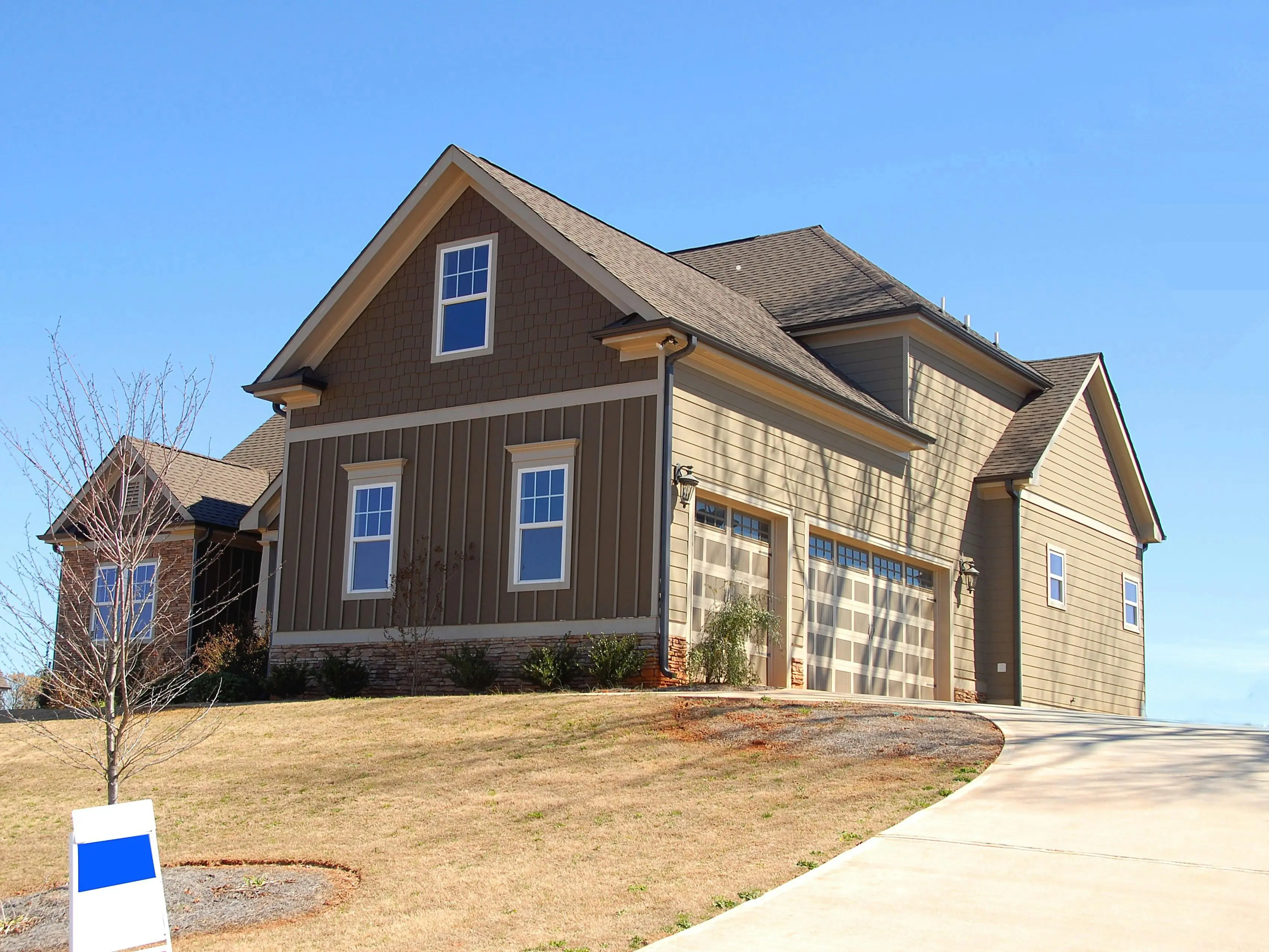
What Makes a Driveway “Farmhouse Style”?
Farmhouse style driveways feel like they’ve been there for a century—warm, welcoming, and a little weather-worn on purpose. They balance rustic charm with modern durability so you’re not raking gravel every weekend or watching pavers shift after the first freeze.
Think muted earth tones, natural textures, and edges that look hand-cut rather than laser-trimmed. The goal is curb appeal that says “family farm” instead of “big-box parking lot,” while still handling today’s SUVs, Amazon deliveries, and snowy plow blades.
Best Materials for Farmhouse Style Driveways
1. Chip-and-Seal (Tar & Chip)
Hot liquid asphalt is sprayed over a compacted base, then loose stone is rolled in. The result: a quiet, grippy surface with a cottage-country vibe.
- Color tip: Ask for Tennessee river rock or Dakota quartzite for soft tans and rust tones.
- Maintenance: Re-seal every 5–7 years; patch individual potholes instead of resurfacing the whole drive.
- Budget: 30–40 % less than stamped concrete in most markets.
2. Stamped & Stained Concrete with Wood Plank Texture
Rubber mats pressed into wet concrete create realistic board lines; a walnut or driftwood stain completes the barn-floor illusion without rot or termites.
- Add control joints every 10 ft so the “planks” crack where you want them.
- Use an antiquing release powder to darken the joints; it looks like years of farm-yard dirt in all the right places.
3. Reclaimed Brick with Grass Joints
Old pavers salvaged from century-old streets give instant patina. Lay them on an open-graded base and sow low-growing fescue or micro-clover between joints for the “carriage path” effect.
- Set bricks on edge (called “sailor course”) along the perimeter to prevent creeping.
- Mow the grass joints once a month; skip fertilizer so the strip stays low and meadowy.
4. Compactable Gravel with Stabilizer Panels
Honeycomb geocells lock pea gravel in place, stopping ruts and scatter while keeping the crunch sound authentic.
- Top-dress with ¼” limestone for a lighter, farmhouse-bright color.
- Edge with 6×6 rough-sawn timbers set ½” above grade—functional mower strip plus barn-yard styling.
5. Cobble & Belgian Block Accents
Use real cobble only for the apron or border; it’s pricey but delivers instant old-world credibility. Fill joints with a permeable poly-sand so weeds don’t steal the rustic look.
Choosing a Color Palette that Ages Beautifully
Farmhouse palettes lean on nature: clay red, oat tan, sage green, weathered gray. Pick a dominant stone color, then a secondary accent 2–3 shades lighter or darker for borders or bands.
- Rule of thumb: If your roof is dark, go lighter on the drive to avoid a “black hole” in the landscape.
- Test plot: Order 200 lbs of gravel or two sample bricks, wet them, and look at 8 a.m. and 6 p.m. before you commit.
Edging & Borders that Sell the Story
1. Cor-Ten Steel Landscape Edging
Install ¼” thick strips that rust to a deep autumn orange—perfect against white clapboard or board-and-batten siding.
2. Split-Rail Fence Sections
Set cedar rails horizontally as a mowing strip; they’ll silver out in one season and won’t compete with formal landscaping.
3. Barn Beam Curb
Recycle 6×8 beams; drill rebar holes and epoxy them to a concrete footing so they don’t wander under tire pressure.
Drainage Without the Plastic Look
- French drain wrapped in burlap: Hide the perforated pipe under river rock and top with an antique iron grate.
- Crowned gravel drive: 2 % slope to each side, then install a 12-in wide cobble swale—functional and period-correct.
- Rain garden bump-out: Capture runoff in a shallow planted depression edged with dry-stack fieldstone.
Lighting that’s Functional, Not Fussy
1. Gooseneck Barn Lights on Cedar Posts
Mount 8-ft rough-sawn posts every 25 ft; wire with 3000 K LED bulbs for warm glow without orange “bug light” tint.
2. Solar Edison Bulbs on Guide Wire
String galvanized cable between two posts; clip on solar filament bulbs—no trenching, and the gentle sag feels farmhouse-authentic.
3. In-Ground Brick Lights
Use flush-mounted, amber LED fixtures set into the border bricks; they mark the edge during snowy winters without visible modern plastic.
Low-Maintenance Upkeep Tips
- Spring: Apply pre-emergent corn gluten on grass joints to stop crabgrass; top-dress gravel if you see bald spots.
- Summer: Tighten brick edges with a rubber mallet; spray vinegar on weeds instead of roundup—keeps rustic soil chemistry intact.
- Fall: Blow leaves off chip-and-seal; trapped moisture freezes and pops stones loose.
- Winter: Use calcium chloride instead of rock salt; it’s less corrosive to antique brick and steel edging.
Ballpark Costs vs. Lifespan
Prices vary by region, but plan for:
- Chip-and-seel: $3–$4 / sq ft; 10–12 yrs before second coat.
- Stamped wood-plank concrete: $12–$15 / sq ft; 25 yrs with sealer every 3 yrs.
- Reclaimed brick + grass: $18–$22 / sq ft; 50+ yrs if you reset uneven units annually.
- Gravel with stabilizer: $2.50 / sq ft install, $0.25 / sq ft annual top-up; indefinite life.
Pro tip: Ask your contractor for a “stage-build.” Install a gravel base now, then add chip-and-seal or stamped concrete top coat in year three when the budget recovers.
Quick DIY Weekend Projects
- Gate topper: Add an antique hay trolley wheel to the driveway entrance post; $40 at estate sales, instant conversation piece.
- House numbers on hand-forged stakes: Weld ½” rebar into curly brackets, brush with vinegar-salt solution to force rust.
- Gravel rake guide: Screw a 2×4 “T” bar to an old landscape rake; keeps gravel depth even and saves your back.
Frequently Asked Questions
Yes—if you install a 6-in compacted base plus geocell stabilization and set edge restraints. Ask the plow driver to keep the blade ½” above the surface and use a rubber cutting edge if possible.
Sweep in poly-sand designed for wide joints, then top-dress with sterile topsoil and seed micro-clover. The clover crowds out broad-leaf weeds, stays green with little water, and fixes nitrogen so the soil doesn’t need chemical fertilizer.
Up to a 12 % grade is fine; above that, switch to ⅜” chip instead of ½” for better embedment. Roll the surface twice while the asphalt is still hot, and consider a second light emulsion coat on the steepest 20 ft.
Use a unifying color band. Example: run a 12” strip of the same reclaimed brick as the walkway along the edge of a stamped concrete drive. Repeat the brick on porch columns or mailbox post so everything feels intentional.