
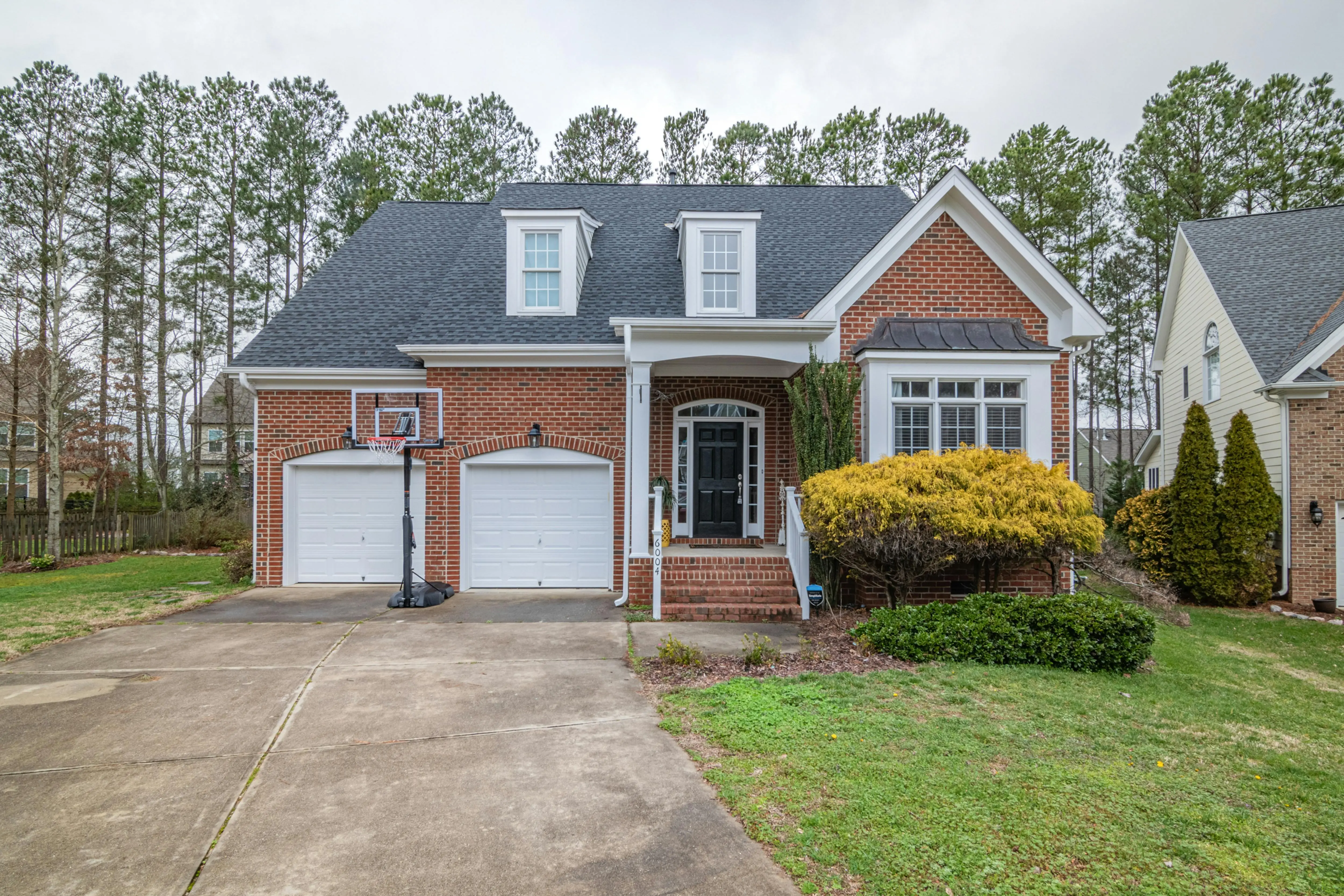
What a Driveway Workmanship Warranty Really Means
A Driveway Workmanship Warranty is the contractor’s written promise that the labor, materials, and installation methods meet an agreed-upon standard. It tells you, in plain language, what happens if the driveway cracks, settles, or discolors prematurely—and who pays for the fix.
Think of it as an insurance policy on the installer’s skill, not just the product itself. Two identical concrete mixes can perform very differently depending on joint spacing, base prep, and curing time. The warranty is your safety net against shortcuts.
Standard vs Extended: The 30-Second Comparison
Most reputable installers include a Standard Workmanship Warranty at no extra cost. It typically covers defects like spider cracking, pop-outs, or obvious color banding for 1–2 years. An Extended Workmanship Warranty stretches that protection to 5, 10, or even 25 years and often adds coverage for structural settlement, salt damage, or surface spalling.
The key difference isn’t just the length—it’s the depth. Extended warranties usually require third-party inspections, specific maintenance records, and a higher initial build spec (thicker base, stronger psi, reinforcement grid). In short, you’re paying once at install to avoid surprise bills later.
What’s Covered—and What’s Not
Standard Warranty Inclusions
- Hairline cracks wider than ⅛ inch within 12 months
- Surface defects caused by poor finishing (trowel marks, crazing)
- Color inconsistency due to contractor-controlled variables
- Edge spalling where forms were removed too early
Extended Warranty Extras
- Structural settlement exceeding ½ inch over a 10-ft span
- Spalling caused by de-icing salts for the first 5 winters
- Joint sealant failure that allows water infiltration
- Delamination of decorative overlays or stamped patterns
Universal Exclusions
Even the best warranty won’t cover:
- Damage from snowplow blades, heavy trucks, or tree roots
- Freeze–thaw deterioration if you apply salt excessively
- Color fading from UV exposure (normal for pigments)
- Cracks caused by ground movement outside the contractor’s control
How to Read the Fine Print Like a Pro
- Look for “Limited” vs “Full.” Limited prorates coverage after year one; full pays 100 % labor and material for the entire term.
- Check the trigger dimension. Some warranties repair cracks only if they exceed ¼ inch—others ⅛ inch.
- Note the claims window. You may have only 30 days after noticing a defect to file in writing.
- Verify transferability. A transferable warranty adds resale value; non-transferable dies with the original owner.
Typical Costs: Is Extended Worth It?
| Driveway Size | Standard Warranty | Extended 10-Year | Extended 25-Year |
|---|---|---|---|
| 600 sq ft (1-car) | Included | +$420 | +$890 |
| 1,200 sq ft (2-car) | Included | +$750 | +$1,500 |
| 2,400 sq ft (3-car + RV pad) | Included | +$1,300 | +$2,600 |
Rule of thumb: if the upgrade costs less than 4 % of total project price, it usually pays for itself with one major repair. A single 10-ft section removal and replace can run $1,200–$1,800 after mobilization fees.
Red Flags That Void Your Warranty
- Sealing the driveway before the minimum 28-day cure (traps moisture, causes whitening)
- Using magnesium chloride pellets when the contract specifies calcium or sand only
- Parking a dumpster or dumpster truck within the first 14 days (exceeds designed psi loading)
- DIY crack injection with big-box store epoxy (alters expansion dynamics)
- Failure to keep joint sealant intact—many 10-year warranties require resealing every 3 years
10 Questions to Ask Before You Sign
- Is the warranty insurance-backed or solely reliant on your company remaining in business?
- Who performs the warranty work—you or a third party?
- Do I need to notify you in writing, or is email sufficient?
- Is coverage prorated, and if so, what’s the sliding scale?
- Can I see a sample claim form and a paid invoice from a recent repair?
- What maintenance records must I keep—receipts, photos, logbook?
- Does the warranty cover color matching for stamped or stained concrete?
- Are expansion joint replacements included or only the field slabs?
- What happens if you sell the company—does warranty transfer to new owner?
- Is there a dispute resolution process (arbitration, small-claims cap)?
Maintenance Checklist to Keep Your Warranty Valid
- Week 1: Keep vehicles off; sprinkle water twice daily in hot weather for curing
- Month 1: Inspect for hairline cracks; photograph and email contractor if any exceed ⅛ inch
- Year 1: Apply breathable silane-siloxane sealer after full 28-day cure
- Year 2–10: Reseal every 2–3 years; keep a folder of receipts and batch numbers
- Post-storm: Use plastic shovels; avoid metal blades that gouge surfaces
- Spring: Refill joint sealant if gaps > ¼ inch; water infiltration is the #1 warranty killer
Real-World Examples: When the Warranty Saved the Day
Case 1: The Salt Spall
A Denver homeowner used magnesium chloride on a new 3,000-psi driveway. By March, the surface was flaking. Because she had purchased a 10-year extended warranty that explicitly covered salt damage, the contractor replaced 400 sq ft at zero cost—$2,100 saved.
Case 2: The Mysterious Settlement
In Indianapolis, a 2-year-old driveway dropped ¾ inch along the garage apron. The standard warranty had expired, but the owner had upgraded to a 25-year structural warranty. Ground-penetrating radar revealed improper base compaction. The repair crew mud-jacked and resurfaced the section, a $3,400 job covered in full.
Frequently Asked Questions
Not automatically. A 25-year warranty on 3,000-psi concrete is marketing fluff if the base is only 3 inches thick. Look for congruent specs: higher psi (4,000+), 6-inch compacted base, and reinforcement mesh. The warranty is only as strong as the build spec behind it.
Most contractors allow a 30-day grace period; after that you’ll need an on-site inspection (around $200) and possible core testing. If the slab passes, you can still upgrade, but the price jumps 20–30 % versus buying it up front.
Only if you seal before the minimum cure time—usually 90 days for asphalt. Use the contractor-specified sealer and keep receipts. Improper sealing is the #1 warranty claim denial we see.
If the premium is under $250, yes. It protects you if the contractor goes out of business, a real risk in cyclical markets. Ask for the policy number and verify it with the insurer; fraudulent “backed” certificates do exist.