
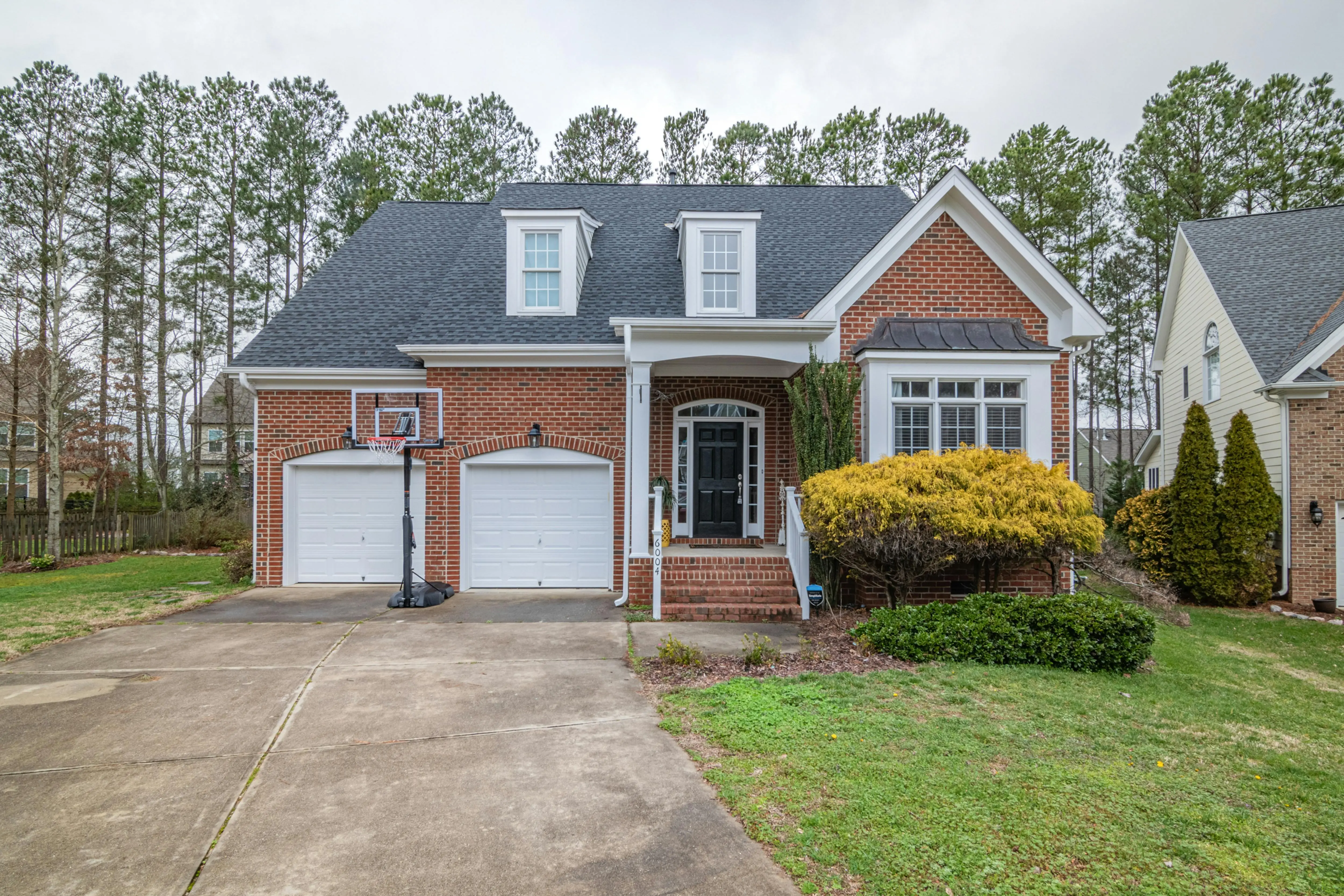
Overview: Why Driveway Wetland Regulations Matter
Picture this: you’ve found the perfect spot for a new driveway, but a patch of cattails and soggy soil sits right where you want the curb cut. Before you call the concrete truck, pause—those plants may signal a protected wetland. Ignoring driveway wetland regulations can trigger stop-work orders, five-figure fines, and orders to rip out fresh pavement.
The good news? With early planning and the right permits, most homeowners can still build a beautiful, functional driveway that respects the environment and keeps you on the right side of the law. Below, we’ll walk you through every step.
How to Know If a Wetland Is on or Near Your Property
Desktop Detective Work
Start online before you set foot outside. Free tools quickly flag potential wetlands so you can budget for professional confirmation.
- National Wetlands Inventory (U.S. Fish & Wildlife): Zoom in on the color-coded map; dark blue and green polygons are suspect.
- County GIS Parcel Viewer: Turn on the “hydric soils” or “FEMA floodplain” layers; overlap with your lot boundary.
- Your state’s environmental portal: Many show 100-ft buffer lines around mapped wetlands.
Save screenshots; they’re handy when you speak with regulators.
Signs to Look for on a Site Walk
Grab a shovel and smartphone. If you see several of the indicators below within 25 ft of your planned driveway path, assume you need permits.
- Standing water for 7+ days after normal rain
- Black, greasy topsoil that smells like rotten eggs
- Plants such as cattails, rushes, sedges, or willows
- Cracked, gray “mottled” soil 6–12 in. down
Take geotagged photos; they help consultants and agencies understand site conditions without extra trips.
When to Hire a Certified Wetland Delineator
Most city or county engineers will not accept homeowner self-diagnosis. A licensed delineator will:
- Flag the exact wetland edge with pink flagging and GPS points.
- Complete a state-accepted report (usually 10–15 pages).
- Provide a one-page sketch you can hand to your driveway contractor.
Expect $800–$2,000 for a quarter-acre residential lot—cheap insurance compared with a $10,000+ fine.
Federal Rules: Section 404 & the Clean Water Act
What Triggers a 404 Permit?
Any “discharge of fill material” into a wetland or its tributary. For driveways, that includes:
- Placing gravel, concrete, or asphalt below the ordinary high-water line
- Building a culvert or bridge footing
- Grading that pushes soil into the wet area
Types of 404 Permits
- Nationwide Permit 14 (Linear Transportation): Covers small residential driveways with <0.5 ac impact. Faster—45–60 days if your state agrees.
- Individual Permit: Required for larger impacts or endangered species habitat. Timeline: 6–18 months.
Tip: Ask the local Army Corps office if they’ve issued regional general permits; these can shave weeks off review.
State & Local Driveway Wetland Regulations
Buffer Zones & Setbacks
Every state writes its own buffer rules. Common examples:
- Florida: 25-ft minimum, 75-ft for “Outstanding Florida Waters.”
- Massachusetts: 100-ft buffer for Bordering Vegetated Wetlands.
- Minnesota: 50-ft for public waters wetlands, 16-ft for minor type 2 wetlands.
Your driveway edge—not just the paved surface—must stay outside the buffer unless you obtain an “encroachment” or “variance.”
Driveway-Specific Local Codes
Many counties layer extra rules on top of state law:
- Culvert sizing charts tied to 25-year storm flows
- Maximum 6% grade within 50 ft of a wetland to limit runoff velocity
- Required geotextile under stone to prevent sediment migration
Call the municipal engineering department and ask for the “driveway permit packet” before you finalize design.
The Step-by-Step Permit Process for Homeowners
- Hire a delineator & survey crew. Overlapping survey stakes with wetland flags prevents design conflicts later.
- Ask your driveway contractor for a preliminary plan. Include profile views showing pavement elevation vs. wetland edge.
- Submit Joint Application (state form) + 404 pre-construction notification. Most states forward copies to Corps and EPA automatically.
- Respond to agency “request for additional information” within 15 days. Typical sticking points: storm-water calculations, endangered species review.
- Post public notice signs on-site for 30 days. Neighbors can comment; be ready to tweak culvert length or add extra buffer plantings.
- Receive permit & pay fees. Scan and email to your contractor so they can schedule concrete delivery.
- Schedule pre-construction meeting. Agency inspector will flag again to confirm limits; take photos for your records.
Build only within approved footprint; any lateral shift >5 ft usually requires an amended permit.
Driveway Design Options That Meet Wetland Rules
Option 1: Raised Permeable Pad + Culvert
Best for low, wide wetlands. Install a 12–18 in. layer of open-graded stone topped with permeable pavers. Water passes through pavement, enters stone reservoir, then flows through an oversized culvert under the driveway. Outcome: zero fill in wetland, so 404 permitting is streamlined.
Option 2: Narrow Geosynthetic-Reinforced Lane
By using high-strength geogrid, you can reduce gravel thickness 30%. Thinner section = less excavation and reduced chance of hitting seasonally saturated soil. Pair with turf reinforcement mat on side slopes for extra erosion control credit that regulators love.
Option 3: Boardwalk or Modular Bridge
For environmentally sensitive sites, aluminum or fiberglass grating spans the wet area without fill. You’ll need a footing on each side—often a helical pile that screws in with minimal disturbance. Many Nationwide Permits cover this approach with a simple self-certification letter.
Option 4: Realignment & Bio-Buffer
Sometimes the cheapest solution is to curve the driveway upslope and plant a 25-ft strip of native shrubs between pavement and wetland. Agencies routinely approve this because added vegetation improves water quality more than the pre-construction state.
Cost Breakdown: Budgeting for a Compliant Driveway
| Item | Typical Range (2024 dollars) |
|---|---|
| Wetland delineation & report | $800 – $2,000 |
| 404/State permit application fees | $250 – $1,500 |
| Storm-water design by PE | $500 – $1,200 |
| Extra gravel for reinforced base | $2 – $4 per sq ft |
| Culvert (18–24 in.) material & install | $60 – $90 per linear ft |
| Boardwalk (aluminum grating) | $65 – $85 per sq ft |
| Native buffer plantings | $5 – $10 per seedling; 200 seedlings typical |
Total upcharges over a standard driveway: $3,000–$12,000 depending on impact size and design complexity. Put 10% contingency aside for agency-requested tweaks.
Timeline: How Long Does Everything Take?
- Week 1: Initial site consult & desktop review
- Weeks 2–3: Wetland delineation fieldwork & report writing
- Weeks 4–5: Driveway design, engineering calculations
- Week 6: Submit permit applications
- Weeks 7–18: Agency review (Nationwide on short end, Individual on long end)
- Week 19: Permit decision & any final revisions
- Weeks 20–21: Construction (average 3–5 days paving, 2 weeks total with curing & seeding)
Start the process at least 5 months before you need the driveway usable; winter agency furloughs can add delays.
Common Mistakes Homeowners Make (and How to Avoid Them)
-
Mistake: “It’s just a little wet spot, I’ll fill and pave before anyone notices.”
Fix: Neighbors often report unpermitted work. Penalties can triple the original project cost. -
Mistake: Using an old survey from the mortgage closing.
Fix: Wetland boundaries shift; require a field-delineated edge dated within 12 months of your application. -
Mistake: Letting the paving crew start while the permit is “almost approved.”
Fix: Corps inspectors can issue a restoration order even if you’re 95% finished. -
Mistake: Picking the cheapest contractor who “knows a guy at the county.”
Fix: Verify your installer has completed at least five wetland-compliant driveways in the past two years and can provide reference letters from agencies.
Eco-Benefits of Following Driveway Wetland Regulations
Complying isn’t just about avoiding fines. A properly designed driveway:
- Filters oil drips through permeable layers before runoff reaches amphibian breeding pools.
- Keeps sediment out of downstream trout streams, protecting recreational fisheries you enjoy.
- Reduces flood risk to your own basement by preserving natural water storage.
- Can raise property value 3–5% by showcasing “green” infrastructure buyers increasingly want.
Think of permits as a blueprint for a longer-lasting, lower-maintenance asset.
Frequently Asked Questions
No. Regulators apply the same rules whether the impact is 50 sq ft or 5,000 sq ft. An official delineation is the only document that legally establishes the boundary and keeps you off the violation list.
If you place gravel below the wetland elevation or push soil into the wet area during grading, it’s considered “fill” and triggers federal review. A boardwalk or permeable bridge above the water line may avoid this, but always confirm with the local Corps office.
Buffer widths are fixed by state statute and can’t be reduced through mitigation plantings alone. You can, however, propose a variance; success rates improve when you pair plantings with design changes like a narrower tread or raised surface that keeps runoff out of the wetland.
Most permits include a one- or two-year monitoring condition. You (or your contractor) must submit photos showing that sediment fences stayed up and buffer plantings survived. Fail to file, and you could forfeit your bond or face additional penalties.