
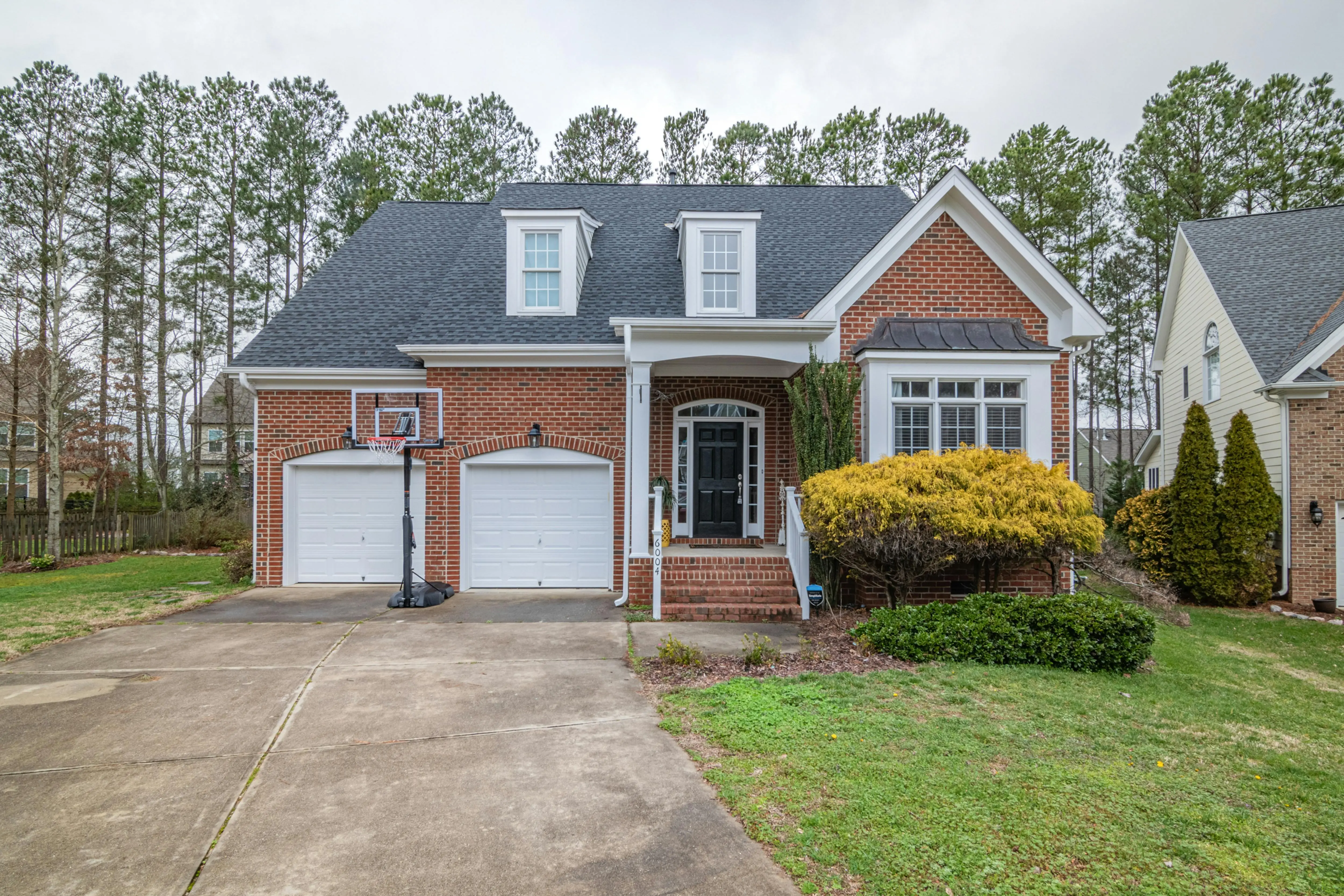
What a Driveway Virtual Reality Walkthrough Really Is
A Driveway Virtual Reality Walkthrough is an immersive, 3-D simulation of your future driveway before a single shovel hits the ground. Using high-resolution drone scans, laser measurements, and photo-realistic rendering, the software builds a life-size model you can “walk” through with a VR headset or explore on any phone, tablet, or laptop.
Think of it as Google Street View for a driveway that doesn’t exist yet. You see true-to-scale pavers, exact color blends, border inlays, slope angles, drainage grates, and even how the morning sun throws shadows across the surface. Homeowners routinely catch design flaws, clashing colors, or awkward turning radii weeks before they become thousand-dollar change orders.
Key Benefits for Homeowners
Eliminates Costly Surprises
When you notice the new SUV bottoms out at the apron in VR, you can raise the grade or extend the approach before the concrete is poured. That single tweak can save $1,200 in tear-out fees.
Speeds Up Decision Making
Instead of staring at 2-D swatches, you stand on the virtual surface and compare three paver colors in under five minutes. Most clients finalize materials 40 % faster after a VR session.
Boosts Property Value Confidence
A realistic preview shows how the driveway ties into landscaping, porch stonework, and exterior paint. Real-estate agents report that buyers offer 5-7 % more when they can “see” the cohesive curb appeal up front.
Step-By-Step: How the VR Preview Works
1. Site Scan & Measurements
A technician flies a drone over your property and supplements the aerial data with handheld LiDAR. The scan captures everything: existing sidewalks, utility lines, slope, and even overhanging tree branches.
2. Design Input & Material Selection
You choose shapes, colors, borders, and patterns from a digital catalog. Want a herringbone brick edge with a gray limestone field? Drag and drop it into the model. The software updates pricing in real time.
3. Rendering the Virtual Environment
Powerful CAD engines convert the point cloud into a textured 3-D mesh. Lighting is matched to your exact GPS coordinates so sun angles, shadows, and reflections mirror real life.
4. Interactive Walkthrough Session
Slip on an Oculus headset or open a web link. Walk up the street, back the virtual boat trailer, or test if two cars can pass side-by-side. Pause, annotate, and request tweaks on the spot.
5. Final Blueprint & Construction Schedule
Approved designs are exported to machine-control files for pavers, excavators, and concrete printers. Because every stake and string line is pre-planned, build time drops by 15-25 %.
DIY Prep: 5 Things to Gather Before Your Appointment
- Property Survey – Shows legal boundaries, easements, and setback lines.
- HOA Guidelines – Many VR libraries auto-filter paver colors that violate covenants.
- Inspiration Photos – Save Pinterest or Houzz images; designers can match textures.
- Vehicle Dimensions – Measure height, length, and turning radius of campers, boats, or lifted trucks.
- Budget Range – Enter a low-high window so the software hides options you won’t consider.
Typical Cost & ROI
Standalone VR Preview Fee
Expect $250-$500 for a standard two-car driveway up to 1,200 sq ft. Larger circular drives or commercial lots run $750-$1,200. Most contractors credit the fee toward construction if you hire them.
Bundle Discounts
Companies like Drivewayz USA include the VR session at no charge when you commit to a full installation package over $7,500. Always ask; the promo is sometimes unadvertised.
Return on Investment
Avoiding one wrong color choice on a 900 sq ft stamped concrete driveway saves roughly $3.50 per sq ft in demolition and repour costs. That’s $3,150 saved for a $400 VR preview—an 787 % ROI.
Top 10 Features to Test Inside the VR Model
- 1. Snow-plow blade clearance at the garage door.
- 2. Drainage swale after a simulated 2-inch rainfall.
- 3. Wheelchair path width from car to front entrance.
- 4. Garbage truck turning sweep without crushing edging.
- 5. LED pillar light throw patterns for nighttime safety.
- 6. Basket-ball hoop overhang and bounce space.
- 7. Future EV charger cable reach to the street.
- 8. Overhanging oak tree root protection zones.
- 9. UV fade simulation on dark vs. light pavers after five years.
- 10. Heat island effect—how hot the surface gets at 3 p.m. July.
Choosing the Right VR Provider
Hardware Quality
Look for companies that capture at least 4 mm LiDAR accuracy and 48-megapixel texture photos. Anything lower and you risk blurry edges that hide trip hazards.
Software Compatibility
Ask if the file exports to common formats like IFC or DWG. Open files let you share the model with landscape architects or pool builders for seamless coordination.
Post-Construction Warranty
Some providers offer a “virtual as-built” scan after completion. If the real driveway drifts more than ½ inch from the VR model, they fix it free. That guarantee speaks volumes about precision.
Known Limitations & How to Overcome Them
- Color Shift – Headsets display RGB differently than sunlight. Request a physical sample kit to verify hues.
- Soil Movement – VR shows finished grade, not seasonal clay expansion. Hire a soils engineer if you live in expansive regions.
- Underground Obstacles – Utility depths aren’t always visible. Call 811 for private utility locates before you lock the design.
Frequently Asked Questions
No. Most contractors provide a headset on site, and every model is also viewable through a simple web link on your phone or computer.
Drone plus ground LiDAR scanning typically finishes within 90 minutes for an average suburban lot; larger estates may take half a day.
Yes. Most firms include two revision rounds at no extra cost. Additional changes run $75-$150 each depending on complexity.
No. Reputable providers store your model on encrypted servers and require your consent before any imagery is used for marketing.