
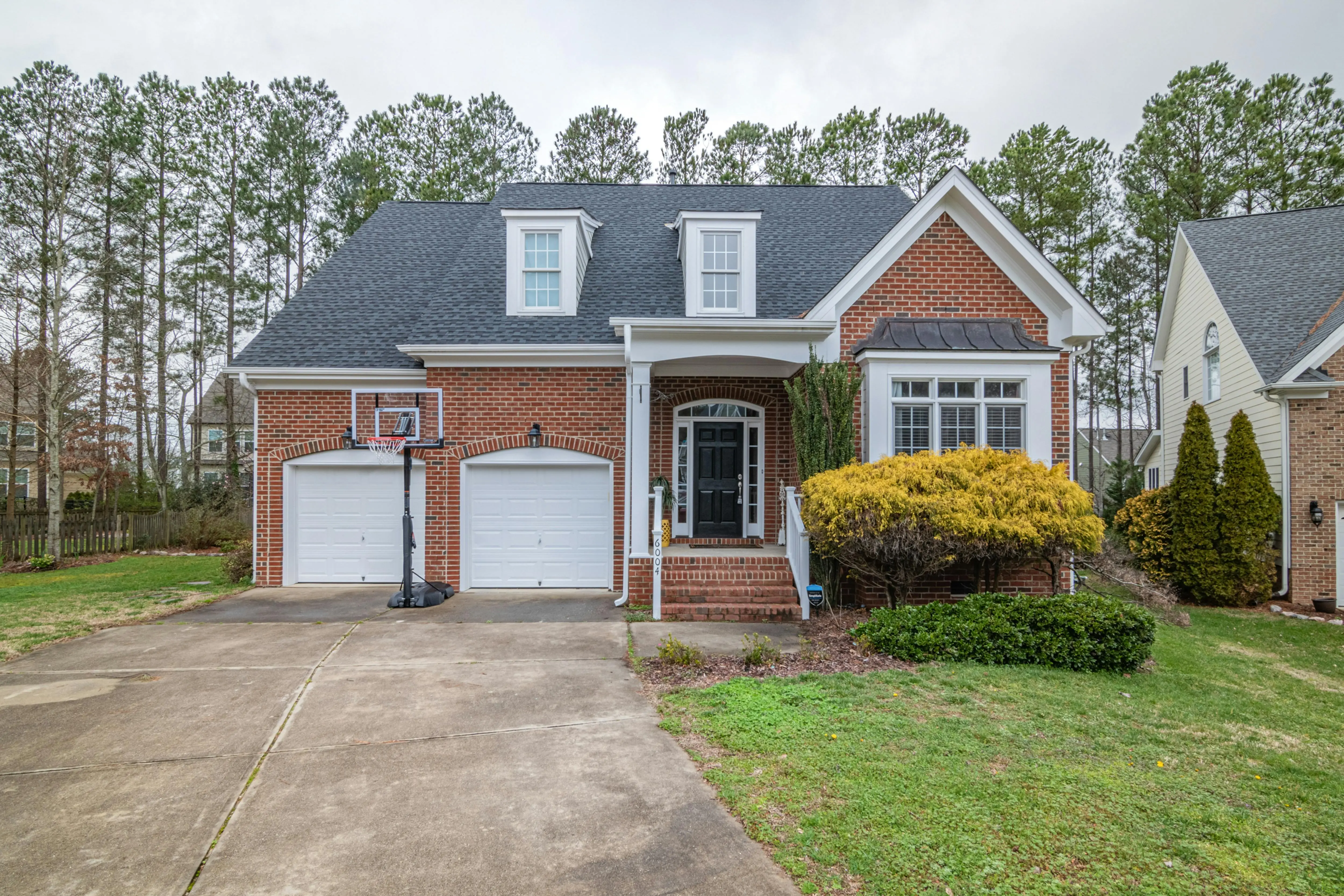
What Is Driveway Value Engineering?
Driveway value engineering is the art of getting the longest-lasting, best-looking driveway for the lowest total cost—without cutting corners. It combines smart material choices, timing, and design tweaks that shave hundreds (sometimes thousands) off the final bill while boosting curb appeal and durability.
Think of it as “customizing on a budget.” You still get professional-grade workmanship, but every dollar is aimed at features that matter most to you—whether that’s load-bearing strength, color pop, or low maintenance.
Why Homeowners Should Care
A driveway is one of the few home upgrades that pays you back twice: daily convenience and higher resale value. According to the National Association of Realtors, a new driveway recoups 78–88 % of its cost at sale. Value engineering pushes that ROI closer to 100 % by trimming waste.
The Hidden Costs of “Cheap”
Low-bid contractors often skip crucial steps (geo-textile fabric, proper base depth, expansion joints). The driveway looks fine for a year, then cracks, fades, or sinks. Suddenly the “cheap” option costs double to repair. Value engineering prevents this by investing every dollar where it has the biggest structural or aesthetic impact.
Five-Step Driveway Value Engineering Process
Step 1: Define Your True Needs
- How many vehicles daily?
- Do you park a ¾-ton truck or a compact EV?
- Need extra turnaround space for trash day?
Write the answers down. A designer can shrink square footage 10–15 % once non-essential areas are identified, instantly saving $800–$1,500 on a typical 600-sq-ft driveway.
Step 2: Optimize the Layout
Curves cost more than straight runs. A gentle S-curve can add $2–$3 per sq ft in labor. If aesthetics aren’t critical, stick to a rectangle. Also, align the driveway with existing drainage swales so you can skip a $600 trench drain.
Step 3: Choose the Right Materials
Match material performance to climate and traffic. Below is a quick cheat-sheet:
| Material | Cost/Sq Ft (Installed) | Best For | Value Tip |
|---|---|---|---|
| Recycled Asphalt | $2–$4 | Rural, long lanes | Reuses oil content, binds tighter than gravel |
| Stamped Concrete | $12–$18 | Upscale curb appeal | Limit stamps to the first 20 ft (visitor view) and use broom finish on the rest |
| Paver Base + Concrete Border | $10–$14 | Freeze-thaw zones | 8-ft-wide concrete tire tracks with grass in between cuts material 40 % |
Step 4: Time It Right
Contractors are hungry October–February in most states. Book then and you can lock in 8–12 % off-season discounts. For asphalt, air temps above 50 °F are still needed, so aim for early October or late March to get both the discount and proper compaction.
Step 5: Bundle With Other Projects
Ask the crew to pour a small walkway or patio pad the same day. You’ll save on mobilization fees (truck, crew, permits) that you’d pay again later—typically $350–$500 per extra trip.
Material Deep Dive: Where to Splurge vs. Save
Asphalt: Save on Thickness, Splurge on Sealer
Residential driveways rarely need more than 2 inches of compacted surface asphalt. Going to 3 inches adds 30 % cost but only 10 % life. Instead, spend an extra $0.25 per sq ft on a polymer-modified sealer and reapply every 3 years. You’ll double the life of the thinner asphalt for half the up-charge.
Concrete: Save on Color, Splurge on Control Joints
Integral color can add $1.25 per sq ft. A cheaper route: plain gray concrete with a high-quality topical stain applied the following week for $0.40 per sq ft. Meanwhile, don’t skip extra control joints—every 8 ft instead of 12 ft prevents random cracks and saves future patching.
Pavers: Save on Border, Splurge on Base
Clay brick borders look sharp but cost 3× the price of concrete pavers. Use a contrasting color in the same concrete paver line for the border and save $2 per linear foot. Invest those savings in an extra 2 inches of compacted #57 stone base—cheap insurance against settling.
DIY vs. Pro: Where You Can Chip In
Doing the whole driveway yourself rarely pencils out once you rent plate compactors, tack trailers, and buy hot-mix by the ton. Instead, handle low-skill tasks:
- Mark irrigation heads and call 811 for utility locates—saves the pro 2 hours ($150).
- Remove grass and loam to the correct depth yourself—$300 in labor saved.
- Schedule and pay for the gravel delivery—some suppliers give homeowner discounts of $2 per ton.
Leave the asphalt laying or concrete pour to certified crews; the risk of improper compaction or finishing is too high.
Maintenance Math: Spending $1 Now vs. $5 Later
A $225 hot-rubber crack-fill treatment in year three prevents water infiltration that widens into $1,200 patching by year seven. Likewise, a $0.15-per-sq-ft concrete sealer every five years can delay a $6-per-sq-ft replacement by a decade.
Set a calendar reminder and treat it like an oil change—small, scheduled, non-negotiable.
Quick Value-Engineering Checklist
- ☐ Measure exact tire tracks; skip paving under planters.
- ☐ Ask for a mix design printout—lower asphalt content saves pennies but costs years.
- ☐ Request ¾-inch minus gravel base, not 1½-inch—finer gradation locks tighter.
- ☐ Require a 1 % slope toward street (¼ inch per foot) to avoid costly drains.
- ☐ Get two seal-coat quotes: one with coal tar, one with asphalt emulsion; choose the cheaper per-warranty-year, not per bucket.
Driveway Value Engineering FAQ
No. It means reallocating budget from low-impact items (fancy borders, extra thickness you don’t need) to high-impact ones (better sealer, stronger base). The driveway still meets or exceeds industry standards.
Most homeowners cut 10–20 % off the total bid—$800–$2,000 on a 600-sq-ft driveway—without shortening lifespan. Savings climb to 30 % if you bundle neighbor jobs, reuse base, and handle small prep tasks yourself.
Yes. When properly compacted and sealed, recycled asphalt binder re-activates and performs like virgin hot-mix. Just ensure the contractor adds a rejuvenating agent in northern zones where freeze-thaw cycles are severe.
Only if you supply sub-standard materials or skip critical steps. Reputable contractors will still warranty workmanship and materials as long as the engineered specs meet local codes. Always get the warranty scope in writing.