
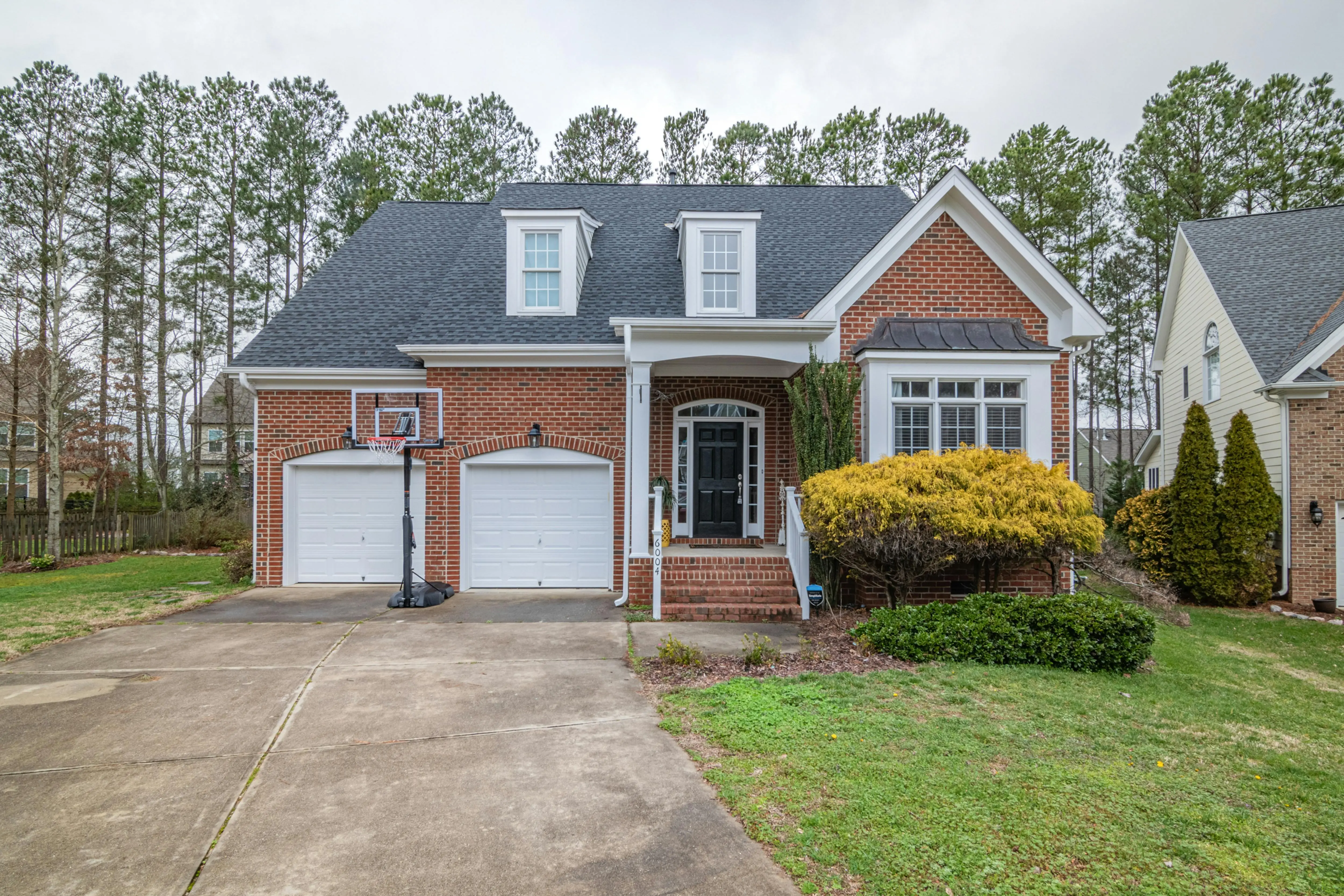
Driveway Utility Locating: The Hidden Step That Saves Driveways & Dollars
Before a single shovel hits your driveway, there’s a maze of gas, water, electric, and fiber-optic lines running just beneath the surface. One wrong move and you’re looking at a blown gas main, a flooded yard, or a $10,000+ repair bill. Driveway utility locating is the fast, non-invasive process that maps those lines so your new apron, widening project, or full replacement goes off without a costly surprise.
In this guide you’ll learn exactly how underground line detection works, what it costs, who does it, and the simple steps you can take today to keep your driveway—and your wallet—intact.
Why Driveway Utility Locating Matters More Than Ever
Modern driveways are more than slabs of concrete. They’re landing strips for Amazon vans, charging stations for EVs, and drainage systems for 100-year storms. They’re also criss-crossed by lines installed decades apart with little documentation. Here’s why locating them is non-negotiable.
The Real Price of a “Miss”
- Gas line strike: national average repair $3,800–$8,200 plus evacuation fines.
- Fiber-optic cut: $1,000–$4,000 per hour of downtime for business districts.
- Water main burst: $500–$2,000 for city water loss fees alone.
- Driveway do-over: if the utility company has to tear out fresh concrete, you pay twice.
Insurance & Liability Reality Check
Most homeowner policies exclude damage from “excavation activities.” Contractors’ insurance often caps utility-strike coverage at $25,000—easy to blow past if you hit a high-pressure gas main. Utility locating shifts liability to the locator and keeps claims off your record.
How Underground Line Detection Actually Works
Professional locators combine electromagnetic radio frequency (RF) and ground-penetrating radar (GPR) to “see” what’s below without digging. Here’s the homeowner-friendly breakdown.
Electromagnetic Locating (RF)
A transmitter clips onto a visible utility—like a gas meter—and sends a signal along the metal pipe. A handheld wand traces the signal, marking the line with spray paint or flags. Works on any conductive material: copper, steel, cast iron, tracer wire on plastic pipe.
Ground-Penetrating Radar (GPR)
A wheeled antenna sends radar pulses into the ground. When the pulse hits a solid object (pipe, conduit, rebar), it bounces back. The screen shows a hyperbola; the locator paints the apex. GPR finds non-metallic lines like PVC water or fiber conduit that RF can’t.
Hybrid Approach = Best Results
For driveway projects, reputable companies run both tools. RF gives depth within ±3 inches; GPR double-checks the route and picks up “orphan” lines with no surface access. Expect color-coded markings that follow APWA standards: red for electric, yellow for gas, blue for water, green for sewer.
When to Call for Driveway Utility Locating
Timing is everything. Schedule locating after permits, before layout. Use this quick checklist:
Projects That Always Need It
- New driveway apron connecting to city sidewalk
- Widening or adding parking pads
- Retaining walls or culverts within 5 ft of utility right-of-way
- Permeable paver installs requiring 12-in gravel base
- Boring under driveway for irrigation or low-voltage lighting
Projects You Might Overlook
- Replacing a section of settled concrete (even 4-ft slabs can hit electric to post lights)
- Installing a trench drain across the drive
- Mailbox post anchor—gas service tees often run curbside
- EV charger conduit bored beneath existing pavement
DIY vs. Pro: Can I Rent a Locator Myself?
Big-box stores rent basic RF wands for $60/day, but they come with caveats.
What Homeowner-Level Equipment Misses
- No access to utility maps—guesswork on starting points.
- Single-frequency units can’t distinguish between two parallel lines.
- Zero GPR option = blind to PVC water and fiber.
- Insurance gap: rental contracts make you liable for mis-marks.
When DIY Is Okay
If you’re only installing a shallow flower bed 6 inches deep and you’ve already called 811 for the free public locate, go ahead. For anything involving concrete cutting, asphalt milling, or excavation deeper than 12 inches, hire a certified private locator. The $300–$600 fee is cheaper than one day of crew downtime.
Typical Driveway Utility Locating Costs in 2024
Public 811 Locate (FREE)
State-run one-call services mark publicly owned lines up to the meter. Response time 2–3 business days. Does NOT cover private laterals or lines installed by previous homeowners.
Private Locate Services
| Scope | Price Range | What’s Included |
|---|---|---|
| Standard driveway (12 × 25 ft) | $275–$400 | RF + GPR, paint/flags, written report |
| Wide estate drive with loops | $500–$750 | Same as above plus CAD sketch |
| Rush locate (same day) | Add 50 % | Within 4 hrs, locator on retainer |
Money-Saving Tips
- Bundle with neighbor: most locators charge a mobilization fee; split it.
- Schedule off-peak (mid-week, winter months) for 10 % discount.
- Ask for digital overlay on Google Earth—some firms provide free.
Step-by-Step: What Happens on Locate Day
Before the Tech Arrives
- Clear vehicles, trash cans, and overhead branches for 10 ft either side of drive.
- Unlock gates; secure pets.
- Mark your planned excavation edge with white spray paint or stakes—saves tech time.
During the Locate (30–90 min)
The technician will:
- Walk the site with you to confirm project limits.
- Connect transmitter to visible utilities (meter, valve, light post).
- Run GPR cart the full driveway width at 2-ft intervals.
- Paint lines and add depth readings every 5–10 ft.
- Photograph markings and email a PDF report with GPS-tagged map.
After the Marks: Your To-Do List
- Take photos before rain or traffic fade; save with permit paperwork.
- Share report with concrete/asphalt contractor; confirm they review it at pre-con meeting.
- Hand-dig (or require contractor to hand-dig) within 2 ft of any marked line—OSHA rule.
How to Choose a Driveway Utility Locating Provider
Certifications That Count
- NDDOT (National Utility Locating Contractors Association) certified
- State one-call training card (varies by state)
- GPR certification from manufacturer (GSSI, Sensors & Software)
- Insurance: $2 M general liability + professional/errors & omissions
Red Flags
- Quotes sight-unseen over phone—every driveway is different.
- No GPR option in 2024—RF-only is half a locate.
- Refuses to provide written report—verbal flags fade.
- Pressure to sign waiver of liability—good locators stand behind marks.
Smart Questions to Ask
- “Do you refresh marks if they fade before my pour date?” (Most do free within 10 days.)
- “What’s your locate tolerance?” (Answer should be ±3 in horizontal, ±6 in vertical.)
- “Will you meet my contractor on site?” (Worth $50–$100 to avoid phone-tag.)
Permits & Paperwork: Don’t Let Paper Delay Your Pour
Who Calls Whom
In most cities the homeowner or prime contractor pulls the driveway permit. Attach the private locate report to the permit packet; inspectors love seeing due-diligence up front.
Typical Timeline
- Submit permit: 1 day online
- 811 public locate: 2–3 business days
- Private locate: 1–2 days after 811 clears
- Pre-con meeting: same day as private locate
- Start of excavation: within 10 days to keep marks fresh
HOA & Municipal Oddities
Some upscale subdivisions require engineered drainage plans before they’ll let you widen a drive. Others mandate 811 ticket numbers posted at the mailbox. Check covenants early—locating costs are non-refundable if HOA denies the project.
Post-Project: Protecting Your New Driveway & Utilities
Keep a “As-Built” File
Scan the final locate report, permit, and photos of poured sections into one PDF. Future buyers, landscapers, or fence installers will thank you—and you’ll avoid a second locate fee.
Smart Landscaping Moves
- Plant trees at least 5 ft outside marked utility corridors—root balls can shift lines.
- Use surface trench drains instead of French drains that cross utilities.
- Install decorative pavers over critical lines so future access doesn’t require saw-cutting concrete.
Frequently Asked Questions
Public 811 locates are required by law in every state before you dig. Private locates are technically optional, but most cities now require a “clearance letter” for any work within the right-of-way. Skipping it voids many contractor warranties and can trigger fines if a line is hit.
Electromagnetic RF is ±3 inches horizontally and ±6 inches vertically. GPR accuracy is similar in good soil but can widen to ±12 inches in heavy clay. Always hand-dig within 24 inches of either side of the mark to stay safe.
Light vehicle traffic is fine; the spray paint is designed to last 10–14 days. Avoid scraping with a snow shovel or pressure-washing. If marks fade before your pour, call the locator—most companies refresh for free within a set window.
Reputable firms carry Errors & Omissions insurance. Report the miss within 24 hours, document with photos, and stop excavation. The locator’s insurer typically covers repair costs up to policy limits, usually $500k–$2 M.