
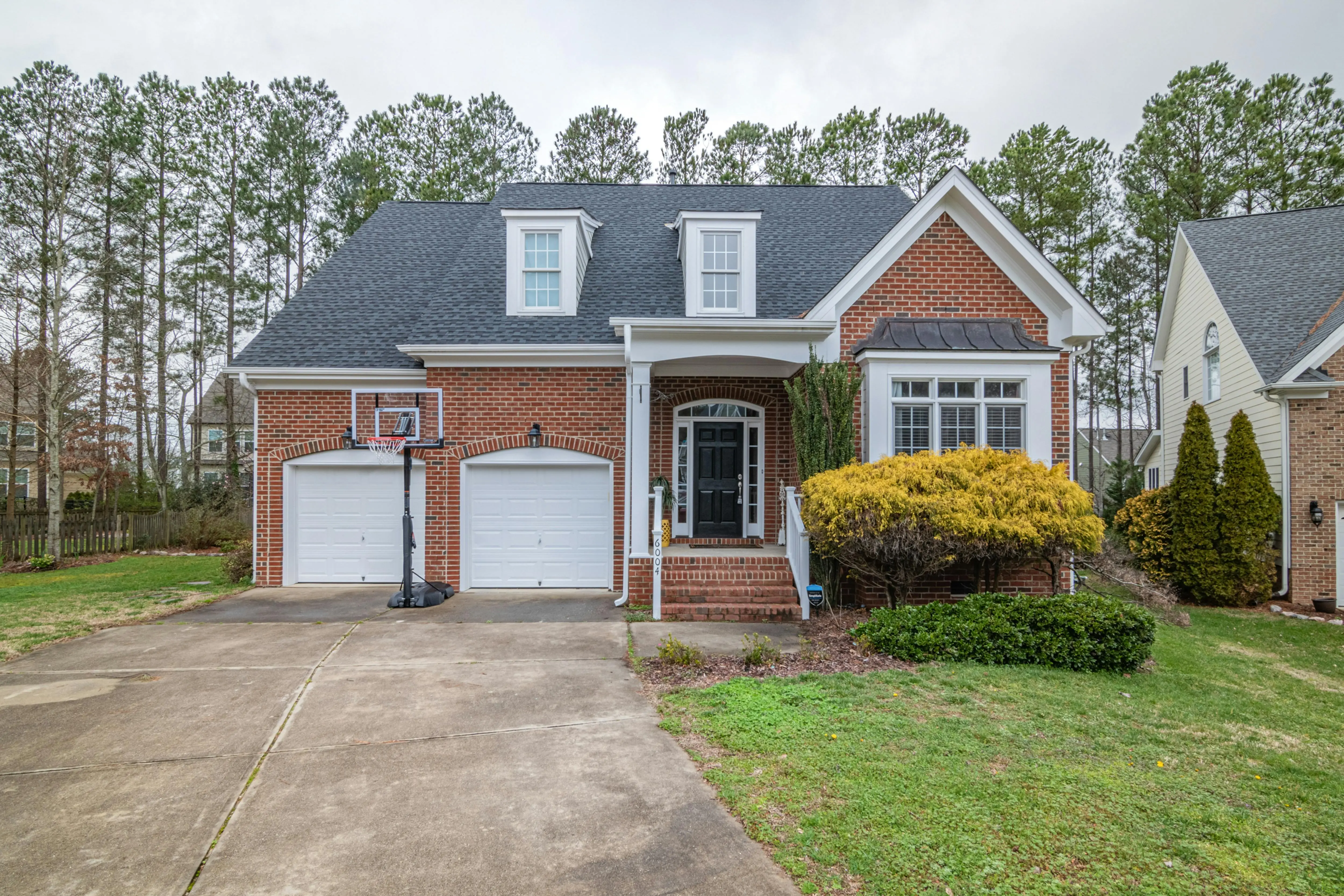
What “Driveway Urban Planning Role” Actually Means for Your Property
City halls from Portland to Peoria now treat every square foot of pavement as part of a watershed puzzle. Your driveway is no longer just a convenience—it’s a regulated “impervious surface.” Understanding the Driveway Urban Planning Role helps you avoid stop-work orders, lower storm-water fees, and even qualify for rebates when you upgrade.
In plain English, planners count hard surfaces (roof, garage, sidewalk, and yes, the driveway) to decide how much rainfall runs off your lot. Too much runoff and you overload storm drains, flood neighbors, and send pollutants straight to rivers. Cities fix that by capping the percentage of your lot that can be impervious. When you know the rules before you call a contractor, you save time, money, and headaches.
Why Impervious Surface Rules Matter to Homeowners
1. Permits Can Be Rejected
Most U.S. cities now calculate impervious-cover ratios automatically when you apply for a driveway permit. If your plan pushes the lot over the limit, the software flags it and staff deny the permit—sometimes without even looking at the drawing.
2. Storm-Water Fees Keep Rising
Utilities in 41 states bill you based on “equivalent residential units” (ERUs). Each 100 ft² of new pavement can add $3–$9 per month to your water bill—forever. Reducing impervious area can drop you into a lower billing tier.
3. Resale Value Is at Stake
Buyers’ lenders and insurers now request impervious-surface disclosures. An illegal driveway can delay closing or trigger costly retrofits before the sale clears.
Key Terms Every Homeowner Should Know
- Impervious Cover (IC): Surfaces that prevent water infiltration—concrete, asphalt, compacted gravel, pavers on concrete beds.
- Pervious Cover: Porous pavers, reinforced grass, or gravel on engineered stone base that meets city infiltration rates.
- Lot Coverage Ratio: IC area ÷ total lot area (expressed as %). Most suburbs cap this at 35–60 %.
- SUHP (Single-Unit Hardscape Percentage): Some cities separate house footprint from hardscape; know which formula your code uses.
How to Measure Your Existing Impervious Surface
Step 1: Download Your Lot Survey
Check your closing documents or city GIS portal. You need the perimeter and total square footage.
Step 2: Use Free GIS Overlays
Google Earth, your county’s parcel viewer, or the Stormwater Calculator app will auto-shade roofs and pavement. Print the image; it’s acceptable proof in many permit packets.
Step 3: Hand-Measure Tricky Spots
For narrow walkway strips or older asphalt that doesn’t show up on aerial photos, use a 100-ft tape measure or a laser measure. Record length × width in a notebook or directly into the app.
Step 4: Add 5 % for Error
City inspectors measure from the drip-line of roof eaves and the outer edge of sidewalks. Round up so you don’t get surprised.
Typical Impervious Surface Rules by Region
West Coast—Green Streets Focus
Seattle, Portland, SF: 35 % IC cap for lots under 5,000 ft²; must manage first 1″ of rainfall on-site. Permeable pavers count as 0 % IC if installed over 12″ of aggregate base.
Southwest—Water-Harvesting Credits
Phoenix, Austin, Las Vegas: up to 50 % IC allowed, but you earn rebates by installing permeable driveways tied to cisterns. Every 100 ft² converted earns $25–$40.
Northeast—Combined Sewer Overflows
NY, Boston, Philly: strict 30 % cap on row-house lots; driveway expansions require “no-net-increase” affidavits. Tear out 100 ft² of backyard concrete to add 100 ft² to the driveway.
Midwest—Floor-Area Bonuses
Chicago, Minneapolis: if you stay under 40 % IC, you can add a 200 ft² tool shed without extra permits. Exceed it and you trigger a $500 storm-water storage tank rule.
Smart Design Tips That Keep You Under the Limit
1. Choose Permeable Materials
- Porous asphalt: looks identical, drains 3 gal/min/ft².
- Interlocking concrete grids: fill with gravel or grass; counts as 0 % IC in most cities.
- Resin-bound aggregate: UV-stable, no loose stones, SUDS-compliant.
2. Shrink the Footprint
Switch from a full 12-ft apron to 9 ft with a 3-ft ribbon of permeable border. On a 40-ft driveway that’s 120 ft² saved—often enough to stay legal.
3. Add Infiltration Trenches
A 1-ft-wide stone trench along the edge can offset 50 ft² of conventional pavement in some storm-water credit programs.
4. Use Turf-Block for Secondary Parking
Only need extra space for holiday guests? Turf-block reinforced with native grass handles occasional tire loads but counts as lawn, not pavement.
Navigating the Permit Process
Prepare a Site Plan
Include lot lines, house footprint, existing IC, proposed IC, and a north arrow. Free templates are on most city websites.
Schedule a Pre-Application Meeting
Many planning departments offer 15-minute “counter days.” Bring a rough sketch; staff will flag red flags before you pay the formal fee.
Submit Storm-Water Calculations
Simple projects use a one-page worksheet; larger drives need an engineer’s stamp. Drivewayz USA includes this sheet free with every design package.
Post-Approval Inspections
Inspector verifies base-layer depth and infiltration rate before you lay the surface. Fail the test and you’ll jack-hammer a 2-day-old driveway—trust us, it happens.
Cost vs. Savings: Budgeting Around Impervious Rules
Up-Front Costs
- Standard concrete: $8–$12 /ft²
- Porous asphalt: $10–$14 /ft²
- Permeable pavers: $14–$20 /ft²
- Engineered base (extra 4″ stone): +$2 /ft²
Ongoing Savings
- Storm-water fee reduction: $36–$108 /year
- Rebates (regional): up to $4 /ft² for removing old pavement
- Fewer drainage repairs: permeable bases last 30+ years with minimal cracking
ROI at Resale
Homes with legal, permeable driveways sell 2.3 days faster and fetch 1.8 % more, according to a 2023 NAHB study.
Real-World Case Studies
Case 1: Denver Corner-Lot Retrofit
Problem: 5,200 ft² lot already at 37 % IC; homeowner wanted 400 ft² RV pad.
Solution: Removed 250 ft² of cracked side walk, installed 400 ft² permeable pavers over 18″ base. Net IC increase = 0. Permit approved in 10 days. Storm-water bill dropped $4.50/month.
Case 2: Atlanta Infill Build
Problem: Zero-lot-line house needed two-car driveway but city capped IC at 35 %.
Solution: 10-ft wide tire-track ribbons of concrete (192 ft²) with permeable grass-crete between. Achieved 32 % IC, saved $1,800 in excavation, and earned a $250 storm-water credit.
Pro Checklist Before You Pour
- Call 811 for utility marks—relocating a gas line post-pour kills the budget.
- Photograph existing conditions; inspectors sometimes mis-count and photos prove your baseline.
- Ask your contractor for a “permeable option” quote even if you think you don’t need it—it’s often only 10 % more.
- Request a copy of the infiltration test; keep it with your deed for future buyers.
- Verify HOA rules too—some neighborhoods restrict paver colors or grass-crete appearance.
Frequently Asked Questions
It depends on the base. Loose gravel on bare soil is usually pervious, but compacted gravel over geotextile and packed stone base is often classified as impervious because water can’t infiltrate. Always check your local definition.
Some cities grant micro-variances (typically up to 5 % over) if you install extra on-site retention like a rain garden or cistern. Expect a public notice and a $200–$400 fee. Approval is not guaranteed, so have a backup plan.
Yes, but it’s minimal. Vacuum sweeping once or twice a year removes grit that clogs pores. Avoid seal-coats. Refill joint sand on pavers every 3–4 years. Done right, the infiltration rate stays above design specs for decades.
Generally, no—driveways are considered site improvements, not living area. However, if the upgrade triggers a reassessment (rare), the increase is based on total market value, not square footage. Storm-water fee changes are a bigger, ongoing cost.