
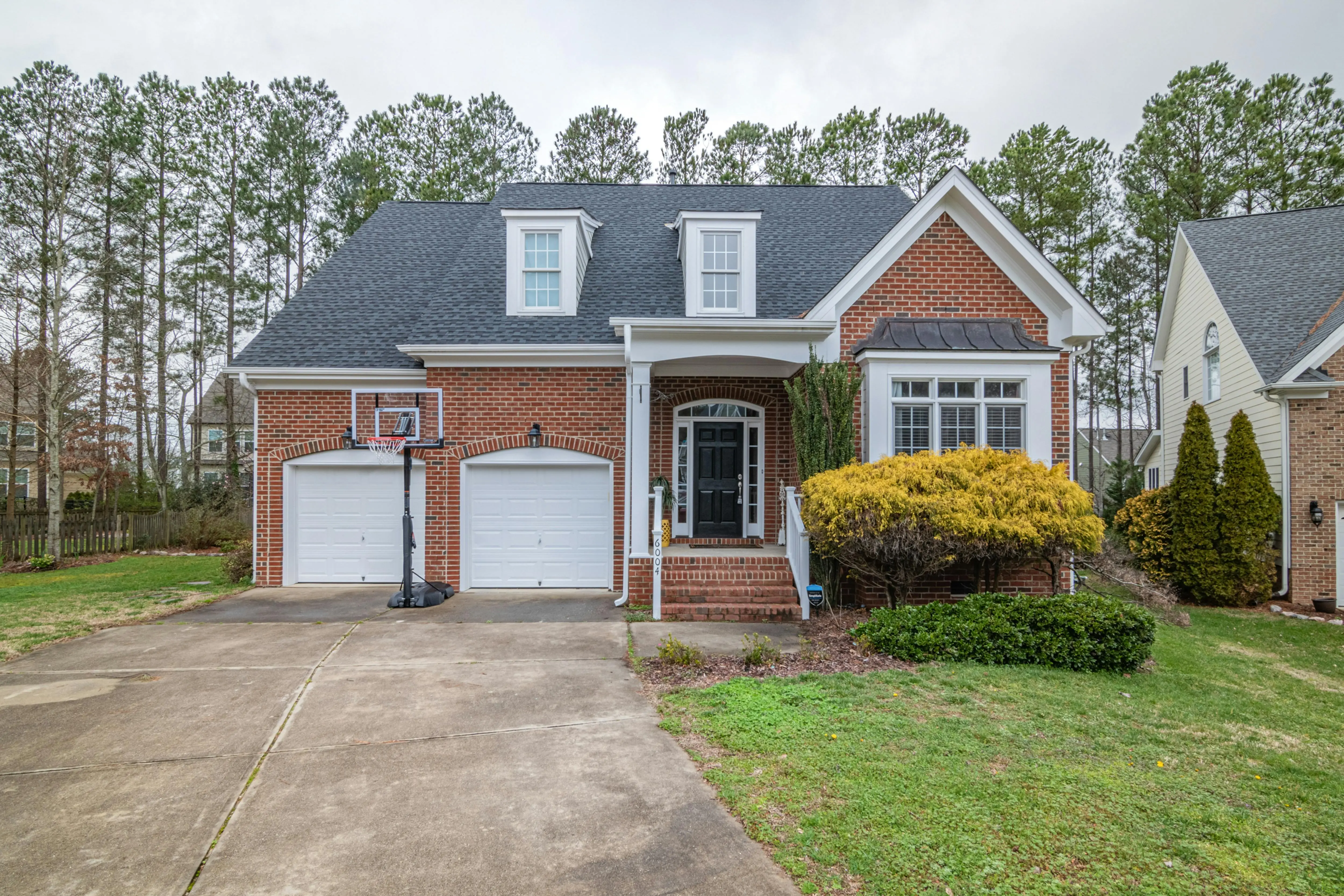
What “Driveway Substantial Completion” Really Means
Driveway Substantial Completion is the stage when your new or replacement driveway is safe, functional, and ready for everyday use—even if a few minor tasks still need finishing. Think of it as the moment you can park on the surface without worrying about voiding the warranty or causing damage.
Knowing this milestone protects your wallet, your schedule, and your property value. Below, we’ll show you how to recognize it, document it, and speed it up without cutting corners.
Why Homeowners Should Track Substantial Completion
1. Warranty Triggers
Most paver and concrete warranties begin the day substantial completion is signed off—not the day you paid the deposit. Miss the date and you could lose weeks of coverage.
2. Payment Schedules
Final payments, retainage, and lien releases are usually tied to this milestone. Paying too early can reduce leverage if defects appear later.
3. Daily Convenience & Safety
A driveway that looks “done” but hasn’t reached substantial completion may still have soft concrete, unsealed joints, or loose edge restraints—each a tripping or tire-damage hazard.
Visual Checklist: 8 Signs Your Driveway Is Substantially Complete
Keep this list on your phone and tick items off with your contractor present.
- Surface cured enough to walk on without leaving footprints.
- No standing water deeper than 1⁄8 inch 24 hours after rain.
- Control joints are cut to the depth specified in the contract (usually ¼ of slab thickness).
- Expansion joints at garage, sidewalk, and street are intact.
- Edge restraints (for pavers) are installed and spike every 8–12 inches.
- Sealer has been applied and is tack-free (if sealing is included).
- Site is swept clean; no loose aggregate or wire mesh protruding.
- Contractor provides a written “Substantial Completion Certificate” or equivalent.
If any box is unchecked, hold off on the final walk-through.
Typical Timeline: From Pour to Substantial Completion
Plain Concrete
- Day 1 – Pour & screed
- Day 2 – Remove forms, saw-cut control joints
- Day 7 – Substantial completion (light vehicle traffic OK)
- Day 28 – Full strength & final seal coat
Stamped or Colored Concrete
- Day 1 – Pour, color hardener, stamp
- Day 2-3 – Wash, saw joints
- Day 5-7 – Seal first coat → substantial completion
- Day 14 – Second seal coat (weather permitting)
Interlocking Pavers
- Day 1-2 – Base prep, edge restraints
- Day 3 – Lay pavers, joint sand, plate compact
- Day 4 – Final sweep, touch-up, substantial completion
Pro tip: Cold weather (below 40 °F) can double curing times; add five days before declaring substantial completion.
How to Inspect Like a Pro (Free Printable Form Inside)
Download our one-page Substantial Completion Inspection Form or follow these steps:
Step 1: Schedule Mid-Morning
Low-angle sunlight reveals surface waviness and color inconsistencies.
Step 2: Use a 6-ft Straightedge
Any gap over ¼ inch in a 10-ft span is outside industry tolerance (ACI 117).
Step 3: Photograph Everything
Time-stamped photos protect both sides if cracks develop months later.
Step 4: Bring a 5-Gallon Bucket of Water
Flood low spots; if water ponds longer than 4 hours, request a correction before sign-off.
Common Holdups & How to Avoid Them
Weather Delays
Contractors can’t control rain, but they can tent or use accelerators. Ask for a written weather contingency plan before work starts.
Missing Inspections
Some cities require a mid-job base inspection. Verify permit card signatures before the concrete truck arrives; otherwise you’ll pay for a second trip fee.
Color Variations
With stamped concrete, insist on a small mock-up slab. Approval of the mock-up sets the color range for substantial completion, eliminating arguments later.
What Substantial Completion Does (and Doesn’t) Change on Your Bill
Reaching substantial completion usually triggers the second-to-last payment. Retainage (typically 5-10 %) stays in your pocket until final completion—when punch-list items are zeroed out.
Hidden savings: Early use of the driveway reduces off-site parking fees or HOA fines. One client saved $180 in street-parking permits by pushing for a 48-hour post-pour approval.
After Substantial Completion: 5 Smart Next Steps
- Wait on Heavy Loads: Keep dumpsters, moving trucks, and RVs off for the full 28-day cure.
- Apply Second Seal Coat: Schedule this between days 14-28 for maximum salt and oil resistance.
- Install Snow-Marker Stakes: Before first snowfall, mark edges so plows don’t chip corners.
- Register Your Warranty: Email the substantial completion certificate to the manufacturer within 10 days.
- Leave a Review: Contractors prioritize future service calls for clients who document and review workmanship honestly.
Frequently Asked Questions
No. Early loading can cause micro-cracking that voids warranty coverage. Wait for written approval or at least the 7-day mark for standard concrete.
Both you and the contractor sign a certificate. If you’re unsure, hire a third-party concrete inspector for $200–$300—small price compared to a $10,000 do-over.
Reschedule. Wet surfaces hide discoloration and joint chips. A 24-hour dry window is essential for an accurate inspection.
No. Final completion means every punch-list item—like landscaping touch-ups or extra sealer—is done. Substantial completion only means the driveway is usable and meets contract specs.