
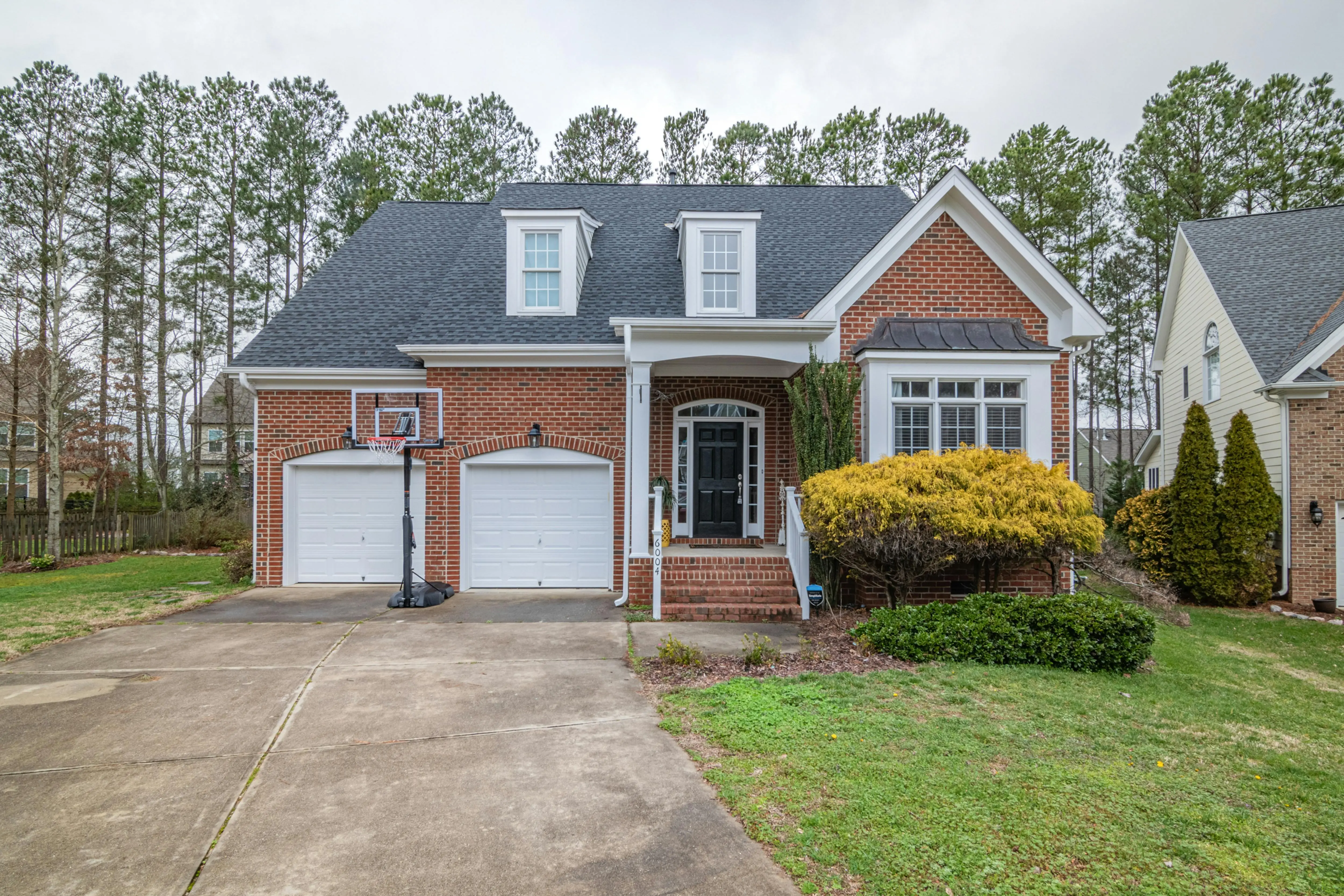
Driveway Subcontractor vs General Contractor: The Quick Overview
When your driveway cracks, heaves, or just looks tired, you have two main hiring paths: bring in a specialized driveway subcontractor or loop the project through a general contractor. One focuses only on concrete, asphalt, or pavers; the other orchestrates the whole job site. Knowing the difference saves you money, time, and a lot of headaches.
What Each Pro Actually Does
Driveway Subcontractor
A driveway sub lives and breathes driveways. They order the right slump of concrete, know which asphalt plants have the freshest mix, and own laser screeds, plate compactors, and stamping tools. You hire them for one trade and one trade only: your driveway.
General Contractor
A GC is the project “quarterback.” They pull permits, schedule trades, and warranty the entire job. If your driveway ties into a larger remodel—say a new garage, landscaping, and sewer line—the GC makes sure the concrete crew shows up after the plumber and before the sprinkler guys.
When a Driveway Subcontractor Makes Sense
- Stand-alone replacement: Your old asphalt is crumbling but nothing else on the property needs work.
- Tight budget: Subs have lower overhead, so their bids are typically 10–20 % less than a GC’s all-in price.
- Custom finishes: Stamped borders, exposed aggregate, or heated driveways require niche expertise most GCs subcontract out anyway.
- Speed: A dedicated crew can tear out and repave 1,000 sq ft in 48 hours because they aren’t juggling five other trades.
When a General Contractor Is the Smarter Call
- Site access issues: You need temporary fencing, tree removal, or crane work to reach the driveway.
- Multiple moving parts: New retaining wall, drainage system, and driveway all at once.
- Permit complexity: Historic districts, HOA approvals, or encroachment onto city right-of-way.
- Warranty wrap-up: One phone number covers the paver setter, the electrician who installed the gate opener, and the landscaper who reset the sod.
Cost Breakdown: Sub vs GC on a Typical 16’×40’ Driveway
| Line Item | Subcontractor | General Contractor |
|---|---|---|
| Remove & haul old asphalt (640 sq ft) | $1.80/sq ft = $1,152 | $2.10/sq ft = $1,344 |
| Base rock & compact | $0.95/sq ft = $608 | $1.10/sq ft = $704 |
| Install 3” asphalt surface | $4.25/sq ft = $2,720 | $4.75/sq ft = $3,040 |
| Project management / overhead | $0 | 15 % = $1,060 |
| Total (rounded) | $4,480 | $6,148 |
Prices vary by region, but the gap is fairly consistent: a GC adds 25–35 % for coordination, warranty, and risk.
How to Vet Either Pro in 7 Steps
- Verify insurance: Ask for a COI naming you as additional insured; minimum $1 M liability.
- Check bond & license: Most states have an online portal—look up “contractor license board.”
- Drive by past jobs: A reputable sub or GC will give you three addresses within 10 miles. Go look at edge details—no spalling equals good workmanship.
- Read the lien waiver: Make final payment contingent on a signed waiver so suppliers can’t come after you.
- Get a line-item bid: Demolition, base, reinforcement, sealer—each task should have its own dollar figure.
- Ask about weather plan: Rain can ruin concrete in minutes. Both pros should own tarps and have a hot-line to the ready-mix plant.
- Compare warranties: Subs typically warranty the surface for 1 year; GCs often bundle a 2-year umbrella warranty on all trades.
Permits & Code: Who Pulls What?
In most municipalities, any driveway tying into a public sidewalk requires a right-of-way permit. A driveway sub can pull it, but they usually price the permit as an “extra.” A GC includes permits in the base bid and handles the inspections. If you’re in a frost-heave zone, the GC also schedules the pre-pour base inspection—something a sub might overlook if they’re rushing to the next job.
Real-World Timeline: 3 Days vs 7 Days
Subcontractor Schedule (simple tear-out & replace)
- Day 1: Saw-cut, remove, haul. Compact base.
- Day 2: Pour & finish concrete (or pave asphalt). Cure overnight.
- Day 3: Saw control joints, apply sealer. Cars back on in 48 hrs.
General Contractor Schedule (driveway + retaining wall + drainage)
- Day 1–2: Site protection, tree removal, excavate for wall footing.
- Day 3: Pour footing, install drain tile.
- Day 4: Build wall, backfill, compact.
- Day 5: Final grade, install driveway base.
- Day 6: Pour/pave driveway.
- Day 7: Final inspections, seed straw, remove temp fencing.
Risk Checklist: Red Flags for Both
- Cash-only bid with no contract.
- No proof of worker’s comp—if a laborer gets hurt, you could foot the medical bill.
- Asks for >50 % upfront. Standard draw: 20 % at contract, 40 % at base prep, 40 % at completion.
- Uses leftover mix from another job—concrete older than 90 minutes starts to set.
- Skips rebar or fiber mesh to shave cost—expect cracks within a year.
The Hybrid Approach: Acting as Your Own GC
Homeowners with renovation experience sometimes hire the driveway sub directly, then coordinate other trades themselves. You pocket the 15 % GC fee, but you also absorb the risk. If the plumber nicks the fresh asphalt, there’s no GC to make it right. Only choose this route if you have flexible time and a solid roster of vetted subs.
Final Pro Tips for a Flawless Driveway
- Schedule for spring or early fall—extreme heat flash-dries concrete; freezing temps halt asphalt compaction.
- Add 6-inch thickened edge—an extra $0.75 per linear foot prevents chipping where driveway meets street.
- Seal asphalt at 6 months and every 3 years thereafter; concrete benefits from a penetrating silane sealer every 5 years.
- Ask for a joint layout plan—squares smaller than 10 ft reduce random cracking.
Frequently Asked Questions
Most subs warranty workmanship for one year. A GC often bundles a longer, umbrella warranty (2 years or more) that covers not just the driveway but any related trades. Always read the fine print; the strength of the warranty is only as good as the company backing it.
Yes, you can save roughly $500–$1,500 in GC overhead, but you become responsible for scheduling inspections, weather delays, and any rework. If the city inspector flags a low spot, the sub will charge extra to tear out and repour—costs a GC would normally absorb.
If your scope includes structural retaining walls, drainage tie-ins to city storm sewers, or permits that require stamped engineering plans, lean toward a general contractor. When in doubt, get both bids—compare the line items and the stated responsibilities side by side.
Never more than 20 % at contract signing. Reputable subs and GCs have credit lines with suppliers; large upfront deposits are a red flag. Tie remaining payments to observable milestones: base prep complete, pour complete, final walk-through.