
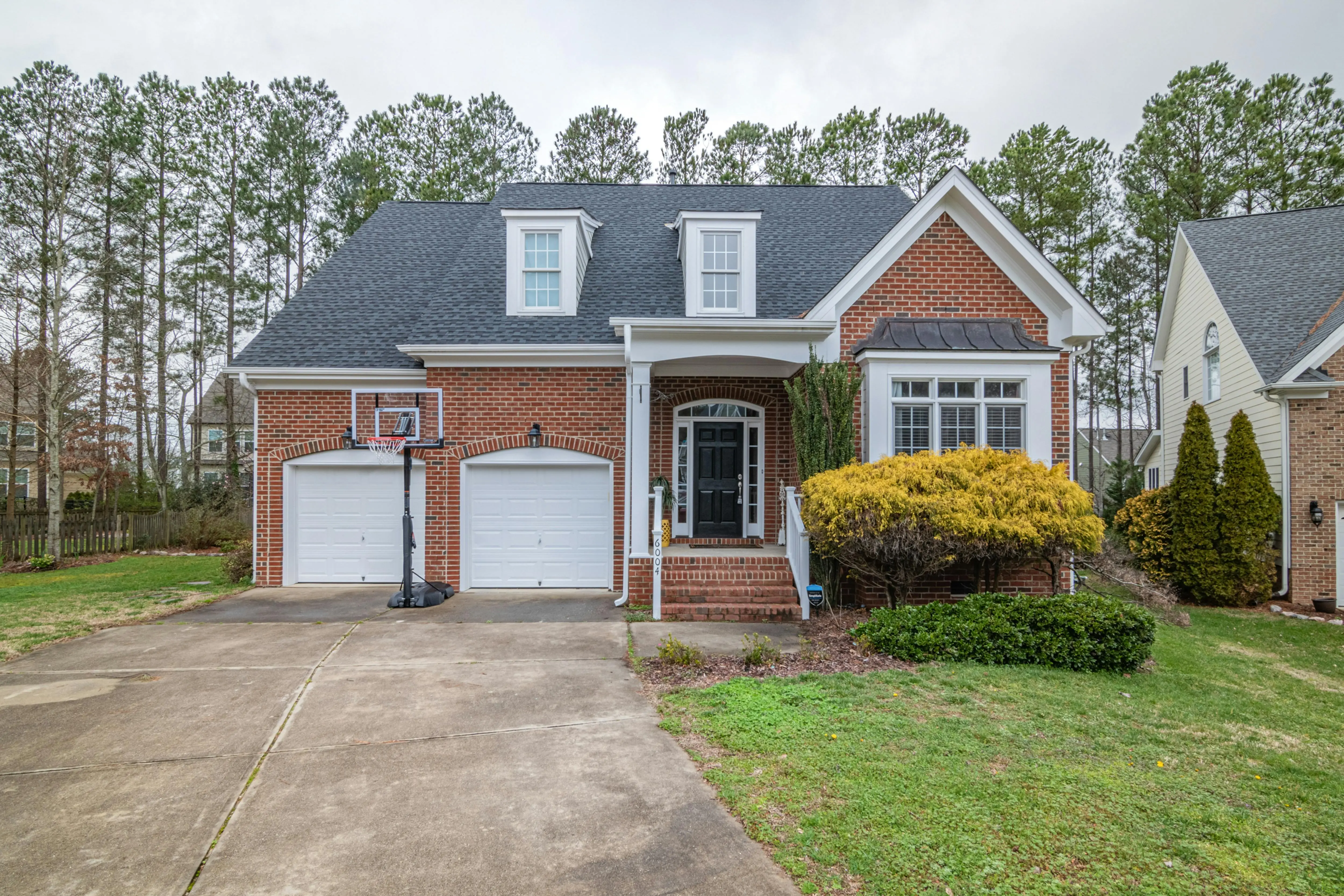
What Is Driveway Staged Construction?
Driveway staged construction is the deliberate process of building your driveway in separate, well-planned phases instead of all at once. Homeowners choose this approach to spread costs, match seasonal schedules, or tackle complex terrain without overwhelming their budget or landscape.
Think of it like remodeling a kitchen: you might install cabinets first, upgrade appliances later, and finish with backsplash tile. With a driveway, the same logic applies—excavation and base one season, surface course the next, decorative borders or drainage after that.
Top Benefits of Building Your Driveway in Phases
1. Budget-Friendly Cash Flow
Breaking the project into chunks lets you pay as you go. Instead of a $12,000 lump sum, you might spend $5,000 this year and $7,000 next, avoiding high-interest financing.
2. Weather & Season Flexibility
Complete earthwork in dry fall months, then wait until spring for final asphalt or concrete when temperatures are ideal. Rushing both steps in marginal weather often leads to premature cracking.
3. Reduced Landscape Shock
A phased schedule gives lawns, irrigation, and planting beds time to recover between construction surges. Less heavy equipment at once equals fewer ruts and broken sprinkler heads.
4. Mid-Project Course Corrections
After Phase 1 you might realize you need an extra parking pad or a swale for drainage. Tweaks are easier and cheaper before the final surface goes down.
Planning Phase: The Blueprint for Success
Define the End Vision First
Sketch the finished driveway width, curve radii, turnaround, and walk paths. Share this with contractors so every phase aligns with the ultimate layout—no costly do-overs.
Hire a Design-Build Contractor Early
Choose a company like Drivewayz USA that offers both design and construction. One team means consistent quality control and scheduling across phases.
Secure Permits for the Entire Project
Most municipalities allow staged construction under a single permit, provided you follow an approved timeline. Ask for a two-year window to avoid re-application fees.
Create a Written Phase Schedule
Typical residential jobs use 2–3 phases:
- Site prep, excavation, and aggregate base
- Intermediate binder course (asphalt) or concrete pour
- Final surface, sealing, decorative borders, and striping
Typical 3-Phase Sequence Explained
Phase 1 – Earthwork & Structural Base
- Mark utility lines (call 811)
- Remove topsoil and organic material
- Install geotextile fabric on soft soils
- Spread and compact 6–8 in. of crushed stone (CA6/RCA)
- Grade for 2% slope (¼ in. per foot) toward street or swale
Pro tip: Rent a plate compactor every 4 in. lift; under-compaction now means sinkholes later.
Phase 2 – Intermediate Course (Asphalt Binder or Concrete Slab)
- Lay 2–3 in. asphalt binder or 4 in. concrete with rebar grid
- Install edge restraints or concrete curbs
- Add driveway apron if tying into public street
- Let cure 5–7 days before passenger car traffic
This mid-layer provides an all-weather driving surface while you save for decorative finishes.
Phase 3 – Final Surface & Aesthetics
- Overlay 1.5 in. surface asphalt or stamp/color concrete
- Saw-cut control joints every 10–12 ft
- Sealcoat asphalt after 90 days; apply penetrating silane sealer on concrete
- Add paver borders, lighting, or heated coils if desired
Choosing Materials for Each Stage
Asphalt Driveways
Great for staged work because new layers bond chemically. Use HL3 base and HL3A surface for smooth texture.
Concrete Driveways
Requires monolithic pours within each phase to prevent cold joints. Plan construction joints at phase breaks and use dowel bars for load transfer.
Permeable Pavers
If LEED or storm-water credits are goals, install open-graded stone base in Phase 1, then set permeable pavers in Phase 3. No separate binder course needed.
Cost Breakdown & Smart Budgeting
Rule-of-Thumb Numbers (National Averages)
- Phase 1 excavation + base: $3–$4 per sq ft
- Phase 2 binder asphalt: $2–$3 per sq ft
- Phase 3 surface + seal: $2–$3 per sq ft
- Optional borders/stamping: $8–$12 per linear ft
Payment Strategies
- Set up a dedicated “driveway envelope” savings account and auto-transfer monthly.
- Ask your contractor for a phased price lock—usually valid 12 months—to hedge against material inflation.
- Use zero-interest credit cards only for the final cosmetic phase; avoid financing structural work that can’t be repossessed.
Timeline & Seasonal Considerations
Best Months by Region
- Midwest/Northeast: April–June and Sept–Oct for concrete; May–Sept for asphalt.
- South: Feb–May and Oct–Dec to skip summer thunderstorms.
- West: Mar–Nov, but schedule around fire-season burn bans if you live in rural wildland areas.
Buffer Time Between Phases
Allow at least 30 days for base settlement in freeze-prone zones. In warm climates, 7–14 days is enough if compaction tests pass.
Maintenance Between Phases
Keep the Base Clean
Sweep leaves and gravel monthly; organic matter traps moisture and weakens the subgrade.
Spot-Fill Potholes
Cold-patch any depressions deeper than ½ in. to prevent water from undermining the base before the next phase.
Limit Heavy Loads
Skip the dumpster rental or contractor trucks on an unfinished base; 3-ton loads can create ruts that persist through Phase 3.
Common Mistakes to Avoid
Skipping Geotextile Fabric
Clay soils migrate into gravel without a fabric barrier, leading to sinkholes—expensive to fix after the surface is down.
Inconsistent Contractor Crews
Hiring low-bid outfits for separate phases often yields mismatched joints and colors. Stick with one reputable company experienced in driveway staged construction.
Ignoring Expansion Joints
Concrete expands; without joints every 10 ft you’ll get random cracks that telegraph through Phase 3 stamped overlays.
ROI & Property Value Impact
Realtors estimate a brand-new, well-designed driveway recoups 75–100% of its cost at resale. Staged construction doesn’t diminish ROI provided the finished look is cohesive. Keep uniformity in color, border style, and joint spacing to avoid the “pieced-together” appearance buyers dislike.
Frequently Asked Questions
Up to 12 months is typical if you keep the base clean and refill any potholes. Beyond that, UV rays can weaken the top inch of asphalt binder; a light tack coat before the next layer restores adhesion.
Expect 5–10% higher total cost due to mobilization fees and inflation. However, zero-interest financing charges often offset the difference, making phased payments easier on cash flow.
Yes, a compacted crushed-stone base handles passenger vehicles. Apply a ¾-in. chip-rock topping for better traction and dust control until asphalt or concrete is placed.
Usually no—most building departments issue one permit covering all phases. Inform them of your timeline; some require an inspection after Phase 1 before allowing Phase 3 concrete pour.