
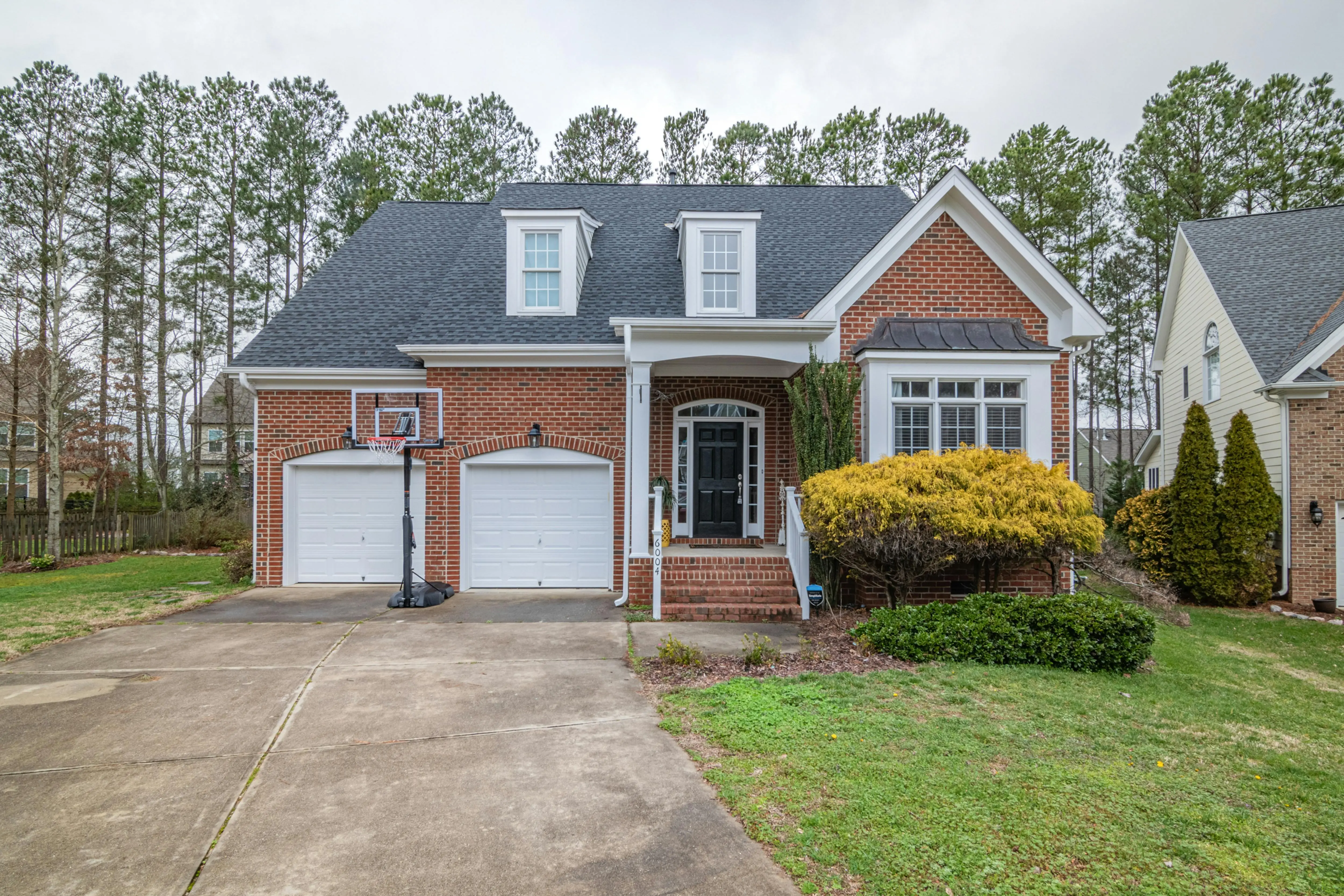
After months of freeze-thaw cycles, road salt, and heavy snow loads, your driveway wakes up in spring looking tired—maybe even cracked. A quick Driveway Spring Assessment spots small problems before they turn into budget-busting repairs. In the next ten minutes you’ll learn how to inspect like a pro, decide what you can DIY, and know when to call Drivewayz USA for backup.
Why Spring Is the Smartest Time to Inspect
Winter is brutal on any paved surface. Water seeps into microscopic pores, freezes, and expands up to 9 percent—popping the surface from within. By April the damage is done but still fresh, so you can:
- Seal cracks before summer UV rays oxidize and widen them.
- Negotiate better pricing—contractors aren’t swamped until late May.
- Prevent potholes from forming during April showers.
- Restore curb appeal before listing your home in peak real-estate season.
Safety & Tools Checklist Before You Start
Work smart, not bruised. Gather these items in a five-gallon bucket so you’re not running back to the garage every two minutes.
Personal Safety Gear
- Slip-resistant shoes—morning dew makes driveways slick.
- Safety glasses when you wire-brush or pressure-wash.
- High-vis vest if you share a driveway or live on a busy street.
Inspection Toolkit
- 12-inch flat pry bar—test loose edges.
- Ballpoint pen—trace crack widths (.25 in tip = ¼ in crack).
- Chalk or sidewalk chalk—mark spots you want to photograph.
- Smartphone with a straight-edge credit card—photo-document cracks next to the card for scale.
- 50-foot tape measure—calculate square footage for material quotes.
- Small cup of water—pour it on stains to see if they bead (oil) or soak in (organic).
Step-by-Step Driveway Spring Assessment
Give yourself 30–45 uninterrupted minutes. Print this list or save it to your phone; each step ends with a “Red Flag” note so you know exactly when to escalate.
1. Overall Sweep & Wash
Remove leaves, gravel, and winter sand. A clean surface reveals hidden issues and prevents you from mistaking debris for divots.
Red Flag: If you uncover exposed aggregate or peeling top layer, you’re looking at surface spalling—plan on resurfacing, not just sealing.
2. Perimeter Edge Check
Walk the border where driveway meets lawn or garage slab. Edges crumble first because they’re thinner and unconfined.
Red Flag: Pieces thicker than a potato chip that you can snap off by hand signal structural weakness—budget for edge restoration.
3. Crack Mapping
- Draw a simple sketch of your driveway on graph paper.
- Label major cracks A, B, C…
- Note width, length, and whether the crack is linear or alligator (interconnected).
Red Flag: Any crack wider than ¼ in or with vertical displacement (one side higher) needs routing and sealant, not a $7 tube of latex filler.
4. Pothole & Depression Inventory
Place a 4-foot level or straight 2×4 across low spots. Slide a ruler underneath to measure depth.
Red Flag: Depressions deeper than 1 in collect water and ice, accelerating freeze-thaw damage—schedule infrared patching or full-depth repair.
5. Drainage & Pitch Test
Dump a bucket of water near the garage door. It should flow toward the street or a swale within 60 seconds; standing water equals future cracks.
Red Flag: If water runs toward your foundation, you may need re-grading or a trench drain—call a pro before spring rains.
6. Stain & Chemical Analysis
- Rust-colored splotches: fertilizer granules—power-wash and seal.
- Dark sticky spots: oil—apply degreaser, then seal coat to prevent softening.
- White chalky film: efflorescence from de-icing salts—indicates surface seal breakdown.
Red Flag: Gasoline smells or rainbow sheen means petroleum has infiltrated; spot-prime with specialty bonding agent before seal coating.
7. Expansion Joint Inspection
Look for the black fiber or rubber strips separating driveway slabs. If they’re missing or squeezed out, adjacent slabs can “kiss” and spall.
Red Flag: Gaps over ½ in wide let gravel and seeds in—replace joints with closed-cell backer rod and self-leveling sealant.
Material-Specific Spring Issues
Asphalt Driveways
- Raveling: loose stones on top indicate oxidized, brittle binder—seal coat within 6 months.
- Alligator cracking: looks like reptile skin—caused by base failure, requires remove-and-replace patch.
- Oil spots soften asphalt—dust with cheap kitty litter overnight to absorb, then sweep.
Concrete Driveways
- Panel settlement: one slab sinks—slab-jacking or polyurethane foam injection lifts it back.
- Hairline map cracking—cosmetic; apply penetrating silane-siloxane sealer to block chlorides.
- Pop-outs: small cone-shaped pits from freezing chert—patch with cementitious repair mortar.
Paver Driveways
- Edge restraint failure: plastic or aluminum edging bows—reinstall spikes every 8 in.
- Polymeric sand loss: weeds sprout—pressure-wash old sand, refill with fresh polymeric, mist to set.
- Chipped pavers—swap with leftover units from install; rotate so new edge faces planter, not tire path.
Gravel Driveways
- Crown loss: driveway should rise ½ in per horizontal foot toward center—re-grade with box blade.
- Potholes: pick out loose material, fill with ¾-in crushed limestone, tamp in 2-in lifts.
- Rutting: install geotextile fabric plus fresh gravel to rebuild driving lanes.
DIY vs. Professional Repairs
Save money on the right tasks, but don’t throw good sealer over bad base.
Safe DIY Projects
- Filling ⅛–¼ in cracks with hot-applied rubberized crack filler (rent a direct-fire kettle, ~$45/day).
- Applying acrylic latex seal coat with a 24-in squeegee—two thin coats, 24 h apart.
- Replacing polymeric sand in pavers—$20 bucket covers 100 sq ft.
Call Drivewayz USA When…
- Cracks are wider than ¾ in or show vertical displacement—base reconstruction needed.
- More than 25 percent of the surface is alligator-cracked—partial depth mill & overlay is cheaper than hundreds of patches.
- Your driveway is stamped or colored concrete—specialized stamps and color-matching hard to DIY.
Typical Spring Repair Costs (2024 Averages)
Prices vary by region, but these Midwest numbers give homeowners a realistic baseline. Always request itemized quotes.
| Repair Type | Price per Sq Ft | Typical 600 Sq Ft Driveway |
|---|---|---|
| Crack routing & hot-rubber fill | $1.50–$2.00 linear ft | $300 for 200 ft of cracks |
| Surface seal coat (asphalt) | $0.15–$0.25 | $120 |
| Infrared patch (pothole) | $3.00–$5.00 | $180 per 4 sq ft pothole |
| Slab-jacking (concrete) | $5.00–$8.00 | $300 for 60 sq ft settled panel |
| Full-depth remove & replace (concrete) | $10.00–$15.00 | $1,200 for 120 sq ft section |
Tip: Schedule multiple small repairs in one visit to avoid separate trip charges (usually $75–$100 each).
Spring-Forward Maintenance Calendar
Turn your assessment into a repeatable system.
- Early April: Complete full Driveway Spring Assessment using this guide.
- Mid-April: Schedule contractor for repairs you’ve flagged “pro only.”
- Early May: Apply seal coat or penetrating sealer (air temps 50 °F and rising).
- Memorial Day weekend: Re-inspect edges after first heavy rain—ensure downspouts discharge away from driveway.
- Mid-October: Quick fall check—fill any new cracks before winter strikes again.
Eco-Friendly Spring Tips
- Choose soy-based crack sealers—perform like rubber but contain 25 % renewable content.
- Collect and reuse ground-up asphalt millings as a stabilizing base for garden paths.
- Opt for permeable paver overlays in low spots—they reduce runoff and earn storm-water credits in many cities.
- Sweep, don’t hose, leftover salt and sand—prevents chlorides from entering local streams.
Frequently Asked Questions
Wait until overnight lows stay above 50 °F for three consecutive nights and the surface temp is at least 60 °F. Sealing too early traps moisture, causing white haze and poor adhesion.
Hairlines under ⅛ in are cosmetic, but they let water in. Apply a breathable silane-siloxane sealer every 3–4 years; it lines pores without changing appearance and slows crack growth.
Cold-patch is a great temporary fix to prevent tripping hazards. For a lasting repair, schedule infrared or hot-mix patching once temperatures stabilize; these methods fuse new and old asphalt.
Most homeowner policies exclude “wear and tear” or “negligent maintenance.” File a claim against the plow contractor’s liability insurance instead—always request a certificate of insurance before the first snowfall.