
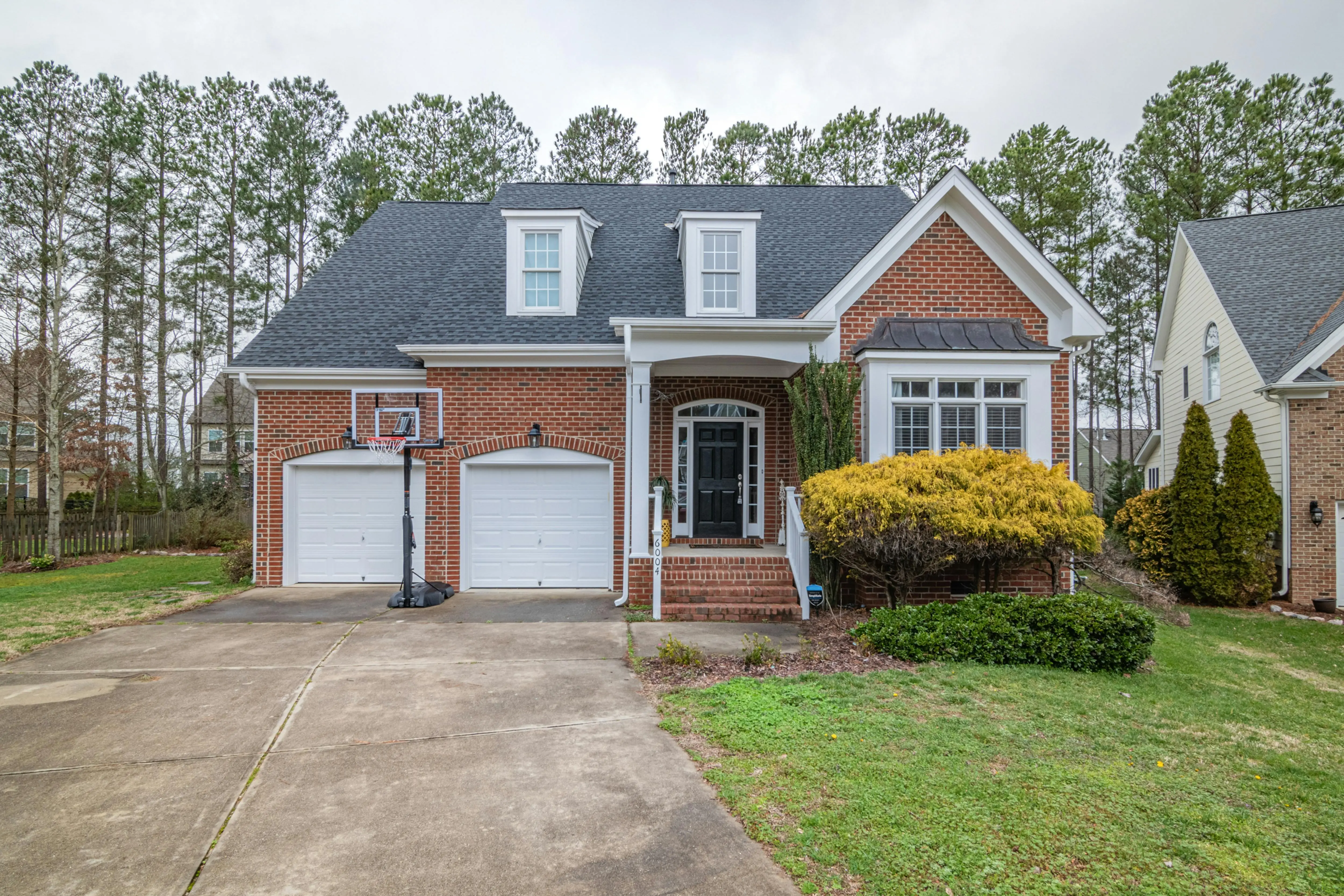
Why a Driveway Smart Irrigation Controller Is Your Pavement’s Best Friend
A cracked, crumbling driveway edge is more than an eyesore—it’s an open invitation for weeds, frost heave, and expensive reconstruction. Most homeowners blame the concrete or asphalt, but the real culprit is often water that lands in the wrong place at the wrong time.
A driveway smart irrigation controller solves this by turning your existing sprinkler system into a precision tool. Instead of soaking the pavement every morning, it delivers water only where landscape plants need it, when they need it, and in exactly the right amount—protecting the perimeter of your driveway and adding years to its life.
The Hidden Ways Water Wreaks Havoc on Driveway Edges
1. Soil Saturation & Sub-base Erosion
Constant overspray keeps the soil along the edge soupy. When vehicles roll over the slab, the sub-base pumps out, creating voids. The slab settles, cracks, and eventually breaks off in chunks.
2. Freeze–Thaw Spalling
In cold climates, water that seeps under the edge freezes and expands. Each cycle lifts micro-layers of concrete or asphalt. After a few winters the edge flakes away like pastry.
3. Weed & Root Intrusion
Seeds love the damp seam between lawn and concrete. As roots thicken they act like hydraulic jacks, prying the edge upward and opening hairline cracks even wider.
What Exactly Is a Driveway Smart Irrigation Controller?
Think of it as a “smart thermostat” for your sprinkler system. It connects to Wi-Fi, pulls local weather data, and lets you create watering zones that stop 2–4 inches short of the pavement. Advanced models add:
- Soil-moisture sensors you can push into the planting bed beside the drive
- Flow meters that shut the system down if a head breaks and starts flooding the slab
- Geofencing that pauses irrigation when you’re home washing the car
Top Benefits of Installing a Smart Controller for Driveway Zones
1. Extends Pavement Life by 30–50 %
By keeping the sub-base drier, you reduce freeze-thaw cycles and erosion. Contractors report that driveways bordered by smart-controlled beds show little or no edge deterioration after 12–15 years.
2. Cuts Water Bills 15–25 %
Watering only when soil moisture drops below the plant’s happy zone prevents the “spray-and-pray” routine that dumps hundreds of gallons onto concrete each season.
3. Stops Costly Landscape Reset
Over-watered soil along the driveway turns into mud. Cars track it onto the pavement, staining the surface and requiring yearly power-washing. Smart irrigation keeps soil in place and mulch looking fresh.
4. Qualifies for Rebates
Most water utilities offer $50–$250 rebates for EPA WaterSense-certified controllers. You’re paid to protect your driveway—win-win.
Installation Roadmap: From Dumb Timer to Driveway-Friendly Smart Controller
Step 1: Map Your Zones
Walk the driveway edge and flag every sprinkler head that throws water onto pavement. Note which beds or lawn strips each valve controls.
Step 2: Choose the Right Controller
Look for:
- Minimum 6–8 zones (even if you only need 4 now, you’ll thank yourself later)
- WaterSense label
- Soil-moisture or flow-meter inputs
- App that lets you draw exclusion zones on an aerial photo
Step 3: Swap the Timer
Turn off power at the breaker, label old low-voltage wires with painter’s tape, and move them to the new controller following the manual. Most swaps take 20 minutes.
Step 4: Retrofit Heads Near the Driveway
Install 6-inch pop-up pressure-regulated heads with strip nozzles or adjustable arc nozzles. Aim the spray pattern to stop 2 inches short of the concrete. Cost: $8–$15 per head.
Step 5: Add Soil Sensors
Push the sensor probe vertically into the planting bed at the midpoint of the driveway edge zone. Bury the top ½ inch below mulch to avoid aerator hits.
Step 6: Program & Test
Create a custom schedule: start 30 minutes before sunrise, run 2–3 days per week, and set a 30 % seasonal adjust for spring/fall. Run each zone for two minutes and adjust arc screws until zero overspray hits the pavement.
Year-Round Maintenance Checklist
Spring
- Replace cracked nozzles that now shoot a mist onto the driveway.
- Update Wi-Fi password in the app if you changed routers.
Summer
- Check soil-sensor battery level in the app; swap if below 20 %.
- After mowing, verify that turf growth hasn’t tilted heads toward the slab.
Fall
- Drop runtime by 25 % per week once nighttime temps stay below 55 °F.
- Blow out lines before first freeze if you live in a frost zone.
Winter
- Switch controller to “rain pause” or “winter mode” instead of unplugging—this preserves historical data and weather learning.
Typical Investment & Payback
| Item | DIY Cost | Pro Cost |
|---|---|---|
| 8-zone smart controller | $180–$250 | $250–$350 |
| 3 soil-moisture sensors | $90 | $150 |
| 4 pressure-regulated heads + nozzles | $60 | $120 |
| Labor (1–2 hrs) | $0 | $150–$250 |
| Total | $330–$400 | $670–$870 |
With an average water bill savings of $8–$12 per month and utility rebates up to $250, most homeowners break even in 1–2 years—then pocket the savings while their driveway stays intact.
How to Pick the Best Controller for Your Driveway Setup
Small Yard, Single Driveway
Look at 6-zone models like Rachio 3 or Orbit B-hyve. Both have easy app mapping and are rebate-eligible almost everywhere.
Large Property, Circular Drive
Choose a 12–16-zone unit such as Hunter Hydrawise or Rain Bird ST8. These support flow meters that text you if a head breaks and starts flooding the pavement.
Tech-Shy Homeowners
Consider a simpler WeatherLogic dial controller. It still skips irrigation on rainy days but has physical buttons for those who prefer not to use smartphones.
5 Common Mistakes That Cancel Out Your Smart Controller
- Spray-and-forget: Never running a test sequence after lawn mowing—heads tilt and the driveway gets soaked again.
- One-sensor-fits-all: Installing a single soil sensor in the shade while the driveway edge bakes in full sun. Add a second sensor in the sunniest zone.
- Over-optimizing: Setting allowed depletion to 10 % forces daily watering, defeating the pavement-protection goal. Target 30–40 % depletion for shrubs and 50 % for turf.
- Winter unplug: Resetting the controller each spring erases weather-learning data that fine-tunes driveway-friendly runtimes.
- Ignoring firmware: Skipping app updates can leave outdated weather APIs, causing surprise irrigation during a rainstorm—exactly what you’re trying to avoid.
Frequently Asked Questions
Yes. By eliminating daily overspray, the soil along the edge stays drier and more stable. That prevents the freeze-thaw cycling and sub-base erosion that cause 80 % of edge cracking. Pair the controller with proper crack sealing every 2–3 years and you’ll add a decade or more to the driveway’s life.
Most homeowners can swap the timer and change nozzles in under two hours—low-voltage wiring is plug-and-play. If your city requires a back-flow test or you need to tap into the main line for a flow meter, hire a pro for that portion. Otherwise, DIY is perfectly legal and safe.
Yes, but you may need to make a slurry. Mix native soil with a little water and push the sensor in at a 45-degree angle to ensure the probes contact soil, not air pockets. If the strip is pure gravel, install the sensor in the nearest planting bed and use its reading for the adjacent zone.
Immediately after the first correctly aimed irrigation cycle. Within two weeks you’ll notice fewer weeds sprouting through the expansion joint, and after the first freeze-thaw season you’ll see noticeably less spalling along the edge.