
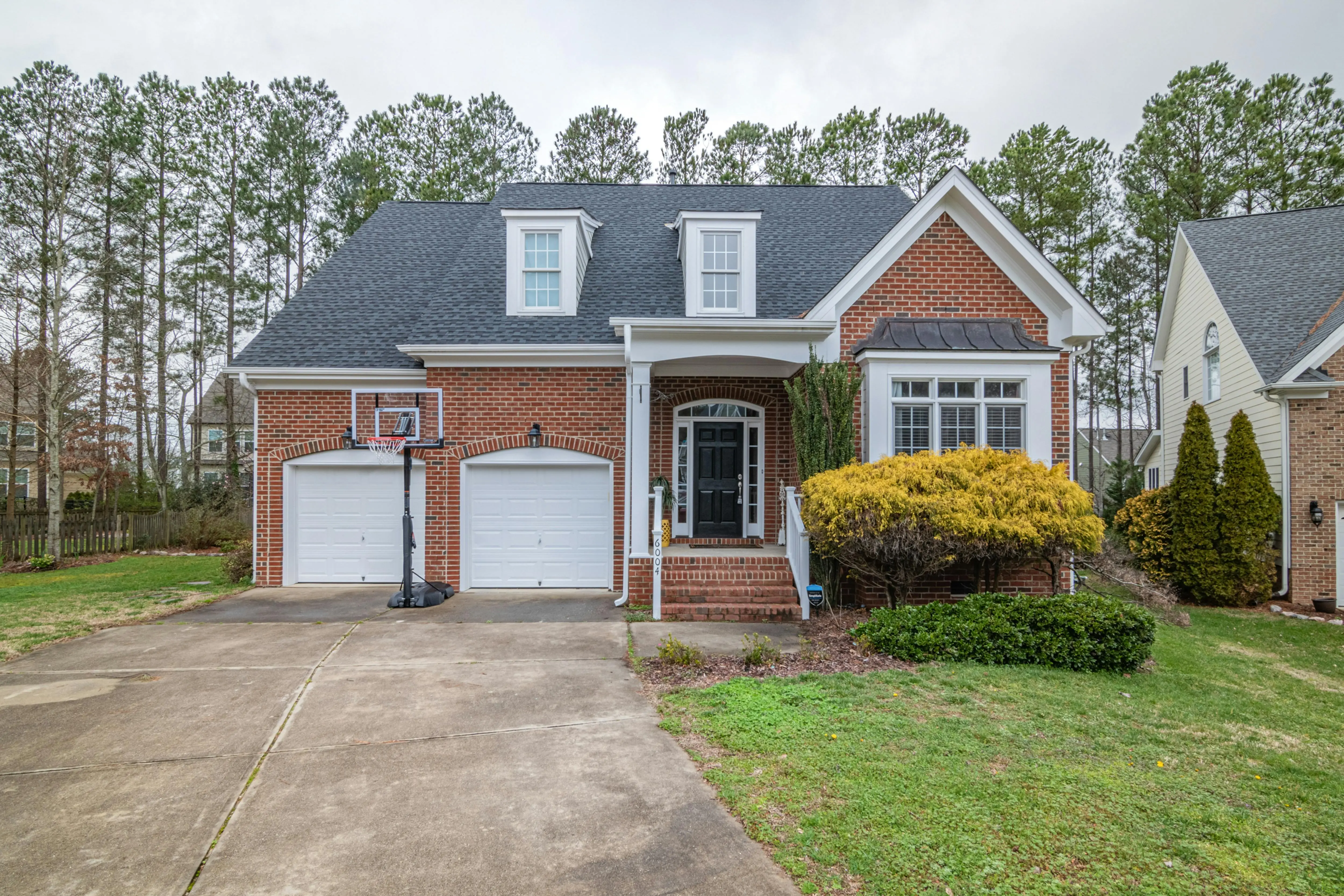
Driveway Sealcoating Overview: The First Line of Defense
A freshly sealed driveway looks great, but the real payoff happens beneath the surface. Driveway sealcoating blocks UV rays, stops water from seeping into tiny cracks, and keeps oil drips from turning into permanent stains. In short, it’s the cheapest insurance you can buy against expensive asphalt replacement.
Most homeowners lose 30–50% of their driveway’s life span simply because they seal too late—or not at all. A $0.15–$0.25 per square foot sealcoat every few years can prevent a $3–$7 per square foot resurfacing job decades early.
When to Sealcoat Your Driveway
New Driveway Cure Time: Wait, Then Seal
Fresh asphalt needs 90–180 days to shed light oils and harden. Seal too soon and the coating traps surface oils, causing “power steering marks” and soft spots. A simple test: sprinkle a few drops of water on the surface. If it beads and stays beaded after 30 seconds, wait another month. If it flattens and darkens the asphalt, you’re ready.
Seasonal Sweet Spot: Temperature & Weather Checklist
- Ambient air: 50 °F and rising at night
- Surface temp: at least 55 °F for 4 consecutive hours
- No rain for 24 hours before and after application
- Humidity under 70% for fastest curing
In most U.S. zones, that translates to late April–early June and late August–early October. July is often too hot—sealer can skin over before it bonds.
Visible Signs It’s Time
- Color shift: rich black turns dull gray
- Hairline cracks wider than ⅛ inch
- Aggregate (little stones) starting to ravel loose
- Oil spots that no longer wash away with soap
Why Sealcoating Saves You Money
Blocks Oxidation
UV light dries out the liquid binder that holds asphalt together. Once the binder is gone, the surface turns brittle and “alligatored.” A quality sealcoat reflects up to 70% of UV rays, slowing oxidation by a factor of 3.
Waterproofs the Base
Water is asphalt’s #1 enemy. When it enters tiny surface cracks and freezes, it expands, widening cracks into potholes. Sealcoating fills micro-fissures and keeps the freeze–thaw cycle outside the pavement structure.
Resists Chemical Spills
Gasoline, antifreeze, lawn chemicals, and rock salt dissolve asphalt binder. Sealcoating acts like a non-stick pan—spills sit on top long enough for you to wash them away.
Boosts Curb Appeal & Property Value
Realtors estimate a crisp, black driveway adds $3,000–$5,000 to perceived home value. That’s a 300% return on the typical $500–$700 sealcoating job.
How Often Should You Sealcoat?
Standard Interval: 2–3 Years
Most residential driveways with light vehicle traffic need a new coat every 24–36 months. Mark it on the same calendar reminder you use for smoke-detector batteries.
Traffic & Climate Adjustments
| Factor | Adjust Interval |
|---|---|
| Heavy SUV/truck daily | Every 18–24 months |
| Snowplow scraping | Every 18 months |
| Shaded, moist lot | Every 30–36 months |
Over-Seal Warning
Too much of a good thing creates a flaky, gray layer that tracks into the house. If you can measure built-up sealer with a coin edge (1⁄16 inch), stop sealing and consider a light surface grind instead.
DIY vs. Professional Sealcoating
DIY Cost Breakdown (Two-Car Driveway, 600 sq ft)
- 5 buckets coal-tar emulsion @ $25 each = $125
- Crack filler rope & adhesive = $30
- Disposable squeegee, gloves, cleaner = $35
- Half-day labor (your time) = $0–$200 opportunity cost
- Total ≈ $190
Pro Cost (Same Driveway)
Contractors charge $0.15–$0.25 per sq ft, so $90–$150 plus $50 minimum trip fee. Expect $150–$200 all-in. For a few extra dollars you get:
- Commercial-grade blended sealer with silica sand for traction
- Power-edging and thorough crack prep
- 48-hour workmanship warranty against peel or streak
Decision Matrix
DIY if the driveway is under 1,000 sq ft, you have a warm weekend, and cracks are minimal. Hire a pro if you prize your free time, want a perfect edge along brick pavers, or the driveway is heavily oxidized and needs spray-plus-brush application.
Preparation Checklist: 90 Minutes That Decide Everything
1. Clean Like You Mean It
Use a 3,000 psi pressure washer with a 25-degree green tip. Remove grass overhanging edges with a string trimmer; organic matter blocks sealer adhesion.
2. Treat Oil & Gas Spots
Scrub with a degreaser until water sheets evenly. Still beading? Apply a specialized oil-spot primer so the sealer doesn’t delaminate in six months.
3. Fill Cracks First
Use a cold-pour crack filler for gaps ¼ inch or less. For larger voids, use hot rubberized filler or trowel-grade patching compound. Let everything cure 24 hours.
4. Mask Edges & Irrigate
Run painter’s tape along garage door thresholds, walkways, and retaining walls. Turn off sprinkler systems the night before; water drops whiten sealer permanently.
Application Tips for a Smooth, Long-Lasting Finish
Tools of the Trade
- 24-inch squeegee for cutting in edges
- 48-inch squeegee or spray wand for open areas
- Sealer with 4–5% silica sand—adds grip and fills micro-pores
- Drill-mounted paddle to keep sealer stirred (every 5 minutes)
Two-Coat Rule
First coat: dilute 5% water to promote penetration. Work in 4-by-4-foot sections, maintaining a wet edge. Second coat: full-strength, applied perpendicular to the first. Two thin coats last 40% longer than one thick coat.
Cure Times & Striping
Foot traffic: 4–6 hours. Vehicle traffic: 24 hours (48 hours for heavier trucks). If you want crisp parking blocks or decorative edges, snap chalk lines and use a 4-inch roller after the first coat, then seal over with the second coat for a subtle shadow effect.
Post-Seal Maintenance: Keep the Shine Longer
First 30 Days
- Don’t twist tires while stationary—new sealer scuffs easily
- Sweep away leaves; tannic acid stains light-colored sealers
Seasonal Habits
Use a plastic shovel, not metal, in winter. Rinse rock salt off within 48 hours. In summer, a quick rinse removes antifreeze drips before they bake in.
Touch-Up Strategy
Keep a quart of leftover sealer in a cool basement. Dab it on new oil spots or minor cracks the moment they appear. Small fixes prevent full do-overs.
Typical Driveway Sealcoating Costs in 2024
National Averages
- Small driveway (12×20 ft, 240 sq ft): $75–$120
- Standard two-car (20×30 ft, 600 sq ft): $150–$200
- Large three-car with turn-around (1,500 sq ft): $300–$450
Up-Charges to Expect
- Deep cleaning & oil-spot primer: $0.05/sq ft
- Hot rubber crack fill: $1.50–$2.50 per linear foot
- Second premium polymer coat: $0.08/sq ft
How to Vet a Bid
Ask for a mix design sheet—reputable contractors list water, sand, and additive percentages. If the quote is 30% below the others, they’re likely over-diluting, cutting sand, or skipping crack prep.
Frequently Asked Questions
No. Traditional asphalt sealer is formulated to bond with petroleum-based binders. On concrete or brick it will peel within months. Use a specialized acrylic or polyurethane decorative sealer instead.
Foot traffic: 4–6 hours. Car traffic: 24 hours in 70 °F weather. Add 12 hours for every 10 °F drop below 60 °F. If the surface still feels tacky, wait.
Either the sealer was over-diluted with water, applied too thin, or the surface was too hot and dried before it could level. A light second coat usually corrects the color.
Once cured (after 24 hours), modern asphalt emulsion sealers are inert. Keep pets off during application and drying. Rinse any overspray off grass or shrubs within an hour to prevent temporary browning.