
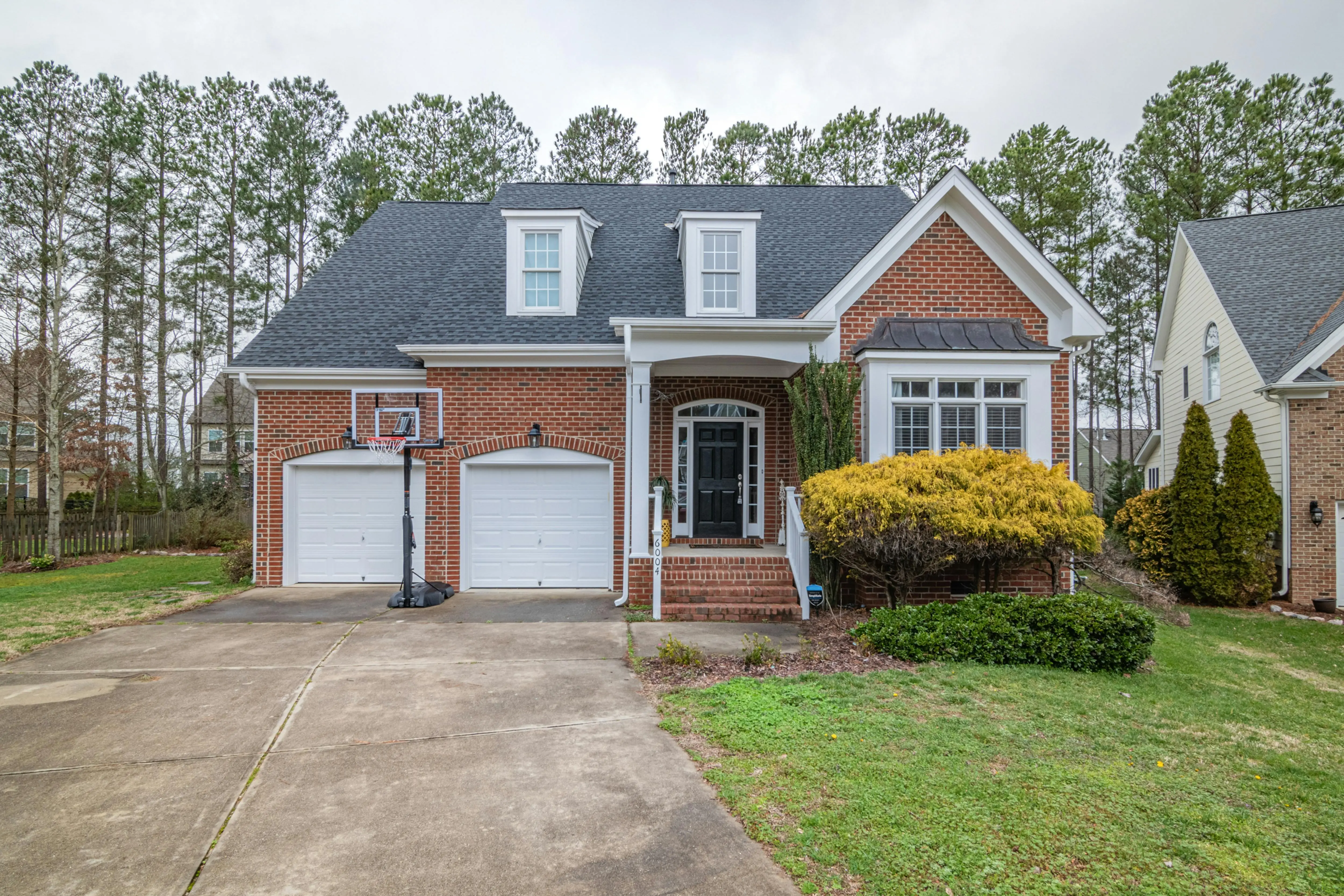
Why a Driveway Scope of Work Matters
A crystal-clear Driveway Scope of Work is the single best way to protect your budget, your timeline, and your sanity. It turns vague “we’ll make it nice” promises into a written game plan that every contractor, supplier, and inspector can follow. Without it, you risk surprise charges, weeks of delays, and a finished driveway that still puddles every time it rains.
In this guide you’ll learn how to build a bullet-proof scope from scratch, what details to insist on, and how to use it to compare bids apples-to-apples.
What Exactly Is a Driveway Scope of Work?
Think of the scope as the “blueprint in words.” It lists every task, material, measurement, and responsibility needed to take your existing driveway (or dirt patch) from problem to polished. It becomes part of your legal contract, so if it’s not written down, it doesn’t exist.
7 Must-Have Elements Every Driveway Scope Should Include
1. Site Description & Existing Conditions
Record slope percentages, tree roots, utility lines, drainage issues, and soil type. Snap dated photos and attach them. Photos end 90 % of “it was already cracked” disputes.
2. Precise Dimensions & Layout
Length, width, thickness, radius at the apron, and any widening for extra parking. Spell out how you’ll verify—typically a laser-level survey after sub-grade prep.
3. Material Specifications
- Asphalt: IDOT/ASTM mix designation, percentage of recycled content, target air voids, PG grade of binder.
- Concrete: compressive strength (psi), slump, fiber or rebar size and spacing, cure compound type, sealer brand and dry time.
- Pavers: brand, color, shape, edge restraint system, bedding sand gradation, joint sand polymer content.
4. Step-by-Step Work Flow
List tasks in order: protect adjacent landscaping, saw-cut existing pavement, excavate to depth X, haul away debris, install geotextile, aggregate base in two lifts, compact each lift to 98 % Standard Proctor, tack coat, final surface course, roll with 3-ton vibratory roller, seal edges, clean up.
5. Drainage & Utilities
Specify pipe diameter, catch basin type, grate load rating, slope percentages, and who calls 811 for locates. Good drainage adds years to driveway life.
6. Cleanup & Restoration
Define seed/sod type for any disturbed turf, who hauls away spoils, daily magnet sweep for nails, and final power-brooming.
7. Warranties & Post-Project Service
Length of coverage, what triggers a repair (cracks wider than ¼", settlement > ½"), response time, and whether you or the contractor seals the surface after one year.
Creating Your Own Driveway Scope of Work: A 30-Minute Template
Step 1: Sketch the Drive & Measure Everything
Use a 100-ft tape measure and graph paper. Note sidewalk, utility pole, and fence offsets. Mark where water pools after rain.
Step 2: Choose Your Surface Type & Thickness
Match thickness to vehicle load: passenger cars only = 3-in asphalt on 6-in stone; ¾-ton truck or RV = 4-in asphalt on 8-in stone OR 5-in reinforced concrete.
Step 3: Insert Performance Standards
Example: “Finished surface shall not vary more than ¼” under a 10-ft straightedge.” Copy language from your city’s road spec—contractors recognize it.
Step 4: Add a “Hold-Back” Clause
Keep 10 % of the total price until a final joint walk-through satisfies both sides. List what constitutes acceptance: no standing water, clean edges, no oil stains, debris removed.
Permits, Inspections & Code Triggers
Most towns require a permit if you widen the apron or change impervious coverage. Your scope should state: “Contractor obtains all permits, schedules inspections, and pays fees.” Ask for the permit card copies before work starts—no card, no work.
Common Pitfalls Homeowners Miss
- Vague haul-away language: “Remove spoils” can mean your contractor dumps it on the back side of your fence. Write “Legally haul off-site to licensed landfill within 48 hrs.”
- No weather clause: Asphalt needs 50 °F and falling; concrete needs 40 °F and rising. Spell out who pays if a cold front stalls the job.
- Ignored utility depth: Cable lines sometimes sit only 2 in below sod. Require hand-dig within 24 in of any marked line.
- Missing joint spacing: Concrete slabs wider than 10 ft need contraction joints every 8–10 ft. Specify depth (¼ thickness) and method (early-entry saw within 4–12 hrs).
Using the Scope to Compare Bids Apples-to-Apples
Send the exact same Driveway Scope of Work to three contractors. Ask each to sign it and return with only a price and schedule filled in. You’ll spot outliers instantly—if two bids are $6 k and one is $3.5 k, the low bidder probably deleted something critical like geotextile or 2 in of base.
Pro tip: Add a line “Any deviation must be listed separately.” That forces hidden shortcuts into daylight.
Typical Cost Breakdown Written Into the Scope
Even if you pay a lump sum, ask for a line-item schedule of values. It helps if you need to delete a feature later or file an insurance claim.
- Permits & fees: $250–$800
- Excavation & haul-off: $3–$5 per sq ft
- Aggregate base: $2–$3 per sq ft per 4-in lift
- Asphalt (3 in): $4–$6 per sq ft
- Concrete (4 in, 3,000 psi, rebar): $7–$10 per sq ft
- Sealer (year 1): $0.75 per sq ft
Request that payments tie to milestones: 10 % at permit approval, 30 % after base compacted, 30 % after paving, 20 % at substantial completion, 10 % final retainer.
Final Pre-Construction Checklist
- Scope signed by both parties and attached to contract.
- Start & end dates written, plus daily work hours (e.g., 7:30 a.m.–5 p.m.).
- Proof of general liability and workers’ comp insurance sent to you.
- Porta-potty and dumpster locations agreed (keeps neighbors happy).
- Contingency fund of 5–10 % set aside for unforeseen soft spots or buried concrete.
Frequently Asked Questions
You should draft the first version using this guide. It forces the contractor to respond in detail and reveals who actually read your requirements. A pro who edits your scope with technical notes is usually safer than one who simply writes “OK.”
Brand, grade, and ASTM/IDOT specification. Saying “4-in concrete” isn’t enough; write “4,000 psi air-entrained concrete, 6 % air, 5–7 in slump, Type II cement, ¾-in aggregate, 6x6x10x10 WWM, as per ASTM C94.”
Yes, via a written change-order signed before the extra work begins. Your original scope should state that any change under $500 can be verbal emergency, anything over needs written approval.
That’s a red flag. Politely insist or walk away. A reputable installer who knows their craft has no problem staking their reputation on clear, measurable terms.