
What “Driveway ROI” Really Means for Homeowners
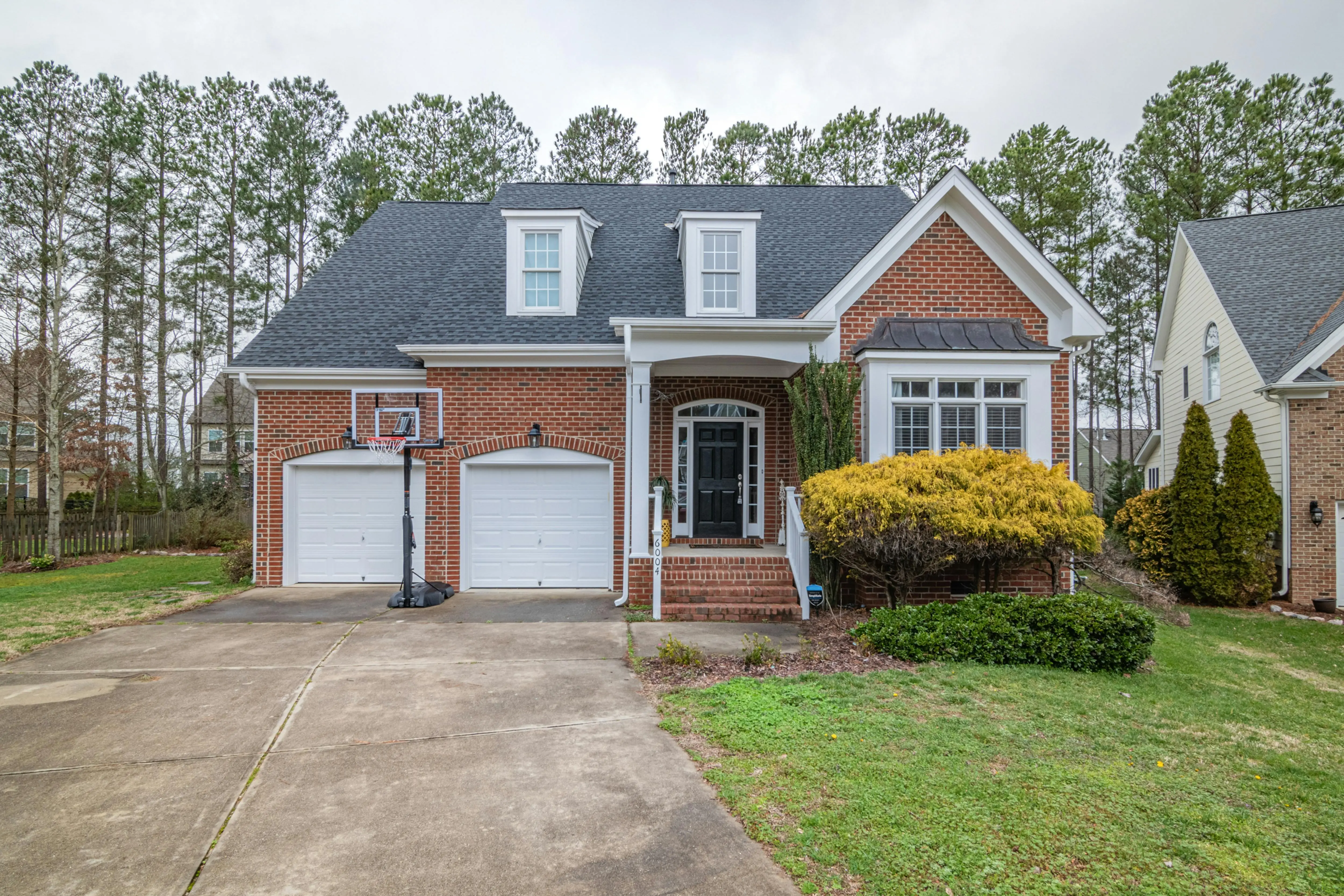
A driveway isn’t just a patch of concrete or asphalt you park on—it’s the red carpet to your home. When buyers scroll listing photos, the driveway is one of the first things they judge. A cracked, weed-filled surface whispers “deferred maintenance,” while a smooth, level entrance signals pride of ownership. In real-estate speak, that first impression translates directly into dollars.
Driveway ROI is the measurable bump in resale value you can expect after replacing or upgrading the driveway. Unlike kitchen or bath remodels that can return 50–70 %, a new driveway ROI often lands between 75 % and 100 %—and in some cases even higher—because the project cost is relatively modest and the visual payoff is instant.
Key Value Drivers: Why Buyers Care About Your Driveway
Curb Appeal & First Impressions
REALTORS® repeatedly tell us that buyers form an opinion within 7–10 seconds of pulling up. A pristine driveway frames the entire property and makes landscaping, exterior paint, and even roofing look better by association. In aesthetic-driven markets—think Instagram-worthy neighborhoods—this “halo effect” can add 5–10 % to the perceived value before anyone steps inside.
Functional Safety & Accessibility
Beyond looks, buyers worry about tripping hazards, puddling, and winter shoveling. A level surface with proper drainage and a gentle slope toward the street eliminates those red flags. If your driveway accommodates turnarounds or extra parking pads, you’ve just expanded the usable square footage of the lot—something buyers will pay for.
Compliance & Future Cost Avoidance
City codes on driveway width, apron slope, and permeability tighten every year. A new install built to current standards reassures buyers they won’t face surprise fines or tear-out costs. That peace of mind is worth real money at the negotiating table.
Typical Driveway Costs vs. Added Home Value
National Averages (2024 Data)
- Asphalt: $3–$5 per sq ft installed; $4,500–$7,500 for a 600 sq ft (two-car) driveway.
- Plain Concrete: $5–$7 per sq ft; $6,000–$8,500 for 600 sq ft.
- Stamped/Colored Concrete: $8–$12 per sq ft; $9,500–$14,000 total.
- Interlocking Pavers: $10–$15 per sq ft; $12,000–$18,000 total.
Value Recaptured at Sale
Remodeling Magazine’s annual Cost vs. Value Report groups driveways under “Garage Door Replacement” and “Concrete Patio,” but regional broker surveys fill the gap. The consensus:
- Asphalt replacement: 75–90 % ROI in cold climates where freeze-thaw cycles are common.
- Plain concrete: 85–100 % ROI in suburban starter-home markets.
- Pavers or stamped concrete: 70–85 % ROI, but up to 150 % in high-end neighborhoods where luxury finishes are expected.
Translation: spend $8,000 on concrete, add $7,000–$8,000 to list price, and sell faster. That’s a rare remodeling win.
Material Showdown: Which Option Delivers the Highest Driveway ROI?
Asphalt—Best Bang for Buck in Snow Belt States
Pros: low upfront cost, quick install, flexes with frost heave, dark color melts snow faster. Cons: requires seal-coating every 3–5 years, softens in extreme heat. ROI Tip: Pair a fresh asphalt driveway with a crisp black edge of Belgium block; the contrast pops in listing photos for minimal extra cost.
Plain Concrete—The National Sweet Spot
Pros: 30-year lifespan, minimal upkeep, light color stays cool in the South. Cons: cracks if base is poorly prepped, stains from oil or magnesium chloride. ROI Tip: Saw-cut decorative joints (extra $0.75 per sq ft) give a custom look without the full stamped price.
Stamped or Stained Concrete—Luxury on a Budget
Pros: mimics stone or brick at half the cost, endless color palettes. Cons: sealer must be reapplied every 2–3 years, colors can fade unevenly. ROI Tip: Choose a pattern that matches the home’s hardscape (walkway, porch) to create a cohesive designer feel.
Interlocking Pavers—Top-Tier Curb Appeal
Pros: individual units flex with ground movement, easy spot repairs, lifetime lifespan. Cons: highest upfront cost, weed seeds can sprout in joints if poly-sand isn’t maintained. ROI Tip: Use a herringbone pattern for a timeless look that photographs well; stay away from bold color combos that may alienate conservative buyers.
Regional Nuances: Climate, Buyer Expectations & ROI
Frost-Heave Zones (Midwest, Northeast)
Buyers prioritize crack-free surfaces that won’t turn into an ice rink. Heated driveway mats or embedded tubing systems can push ROI past 100 % for luxury homes, but for mainstream properties, a well-drained asphalt or concrete base is enough.
Hot & Dry Climates (Southwest, California Central Valley)
Concrete rules because asphalt can soften above 100 °F. Lighter colors also meet cool-pavement ordinances. Permeable pavers are increasingly mandated to reduce storm-water runoff; they qualify for rebates in L.A. and Tucson, effectively boosting ROI by 10–15 % after incentives.
High-Rainfall Areas (Pacific Northwest, Gulf Coast)
Moss and algae stains scream neglect. Opt for exposed-aggregate concrete or textured pavers that hide discoloration. Install channel drains at the garage threshold to prevent water intrusion—an inexpensive add-on buyers notice during open houses.
When to Replace vs. Resurface: A Simple Decision Matrix
Resurface If:
- Cracks are hairline (< ¼ in.) and not spider-webbing.
- Foundation is still level (no sunken corners or birdbaths).
- You plan to sell within 1–3 years and want a quick cosmetic win.
Cost: $1–$2 per sq ft for asphalt overlay; $2–$4 for concrete micro-topping. Expected ROI: 200–300 % because the spend is tiny compared to perceived newness.
Replace If:
- Cracks are wider than ½ in. or paired with heaving edges.
- Drainage flows toward the garage instead of the street.
- You’re in a competitive price bracket where “turn-key” is mandatory.
Full replacement resets the maintenance clock and gives you marketing bragging rights—“Brand-new driveway 2024” is a line every listing agent loves.
DIY Touches That Maximize ROI Without Breaking the Bank
Even if you hire pros for the main pour, you can squeeze extra value from weekend add-ons:
- Edge Restraint Curbing: $3 per linear ft in concrete; frames the driveway like a picture frame.
- LED Hardscape Lights: $25 per fixture, solar or low-voltage; buyers tour homes after dusk more than ever.
- Fresh Seamless Gutters: prevents splash-back stains on the new surface—$6 per linear ft installed.
- Landscaping Buffer: a 12-in. strip of river rock or low boxwood between drive and lawn keeps mulch off the pavement and photographs beautifully.
Marketing Your New Driveway at Sale Time
Photography Tips
Schedule the photo shoot within 30 days of install while the color is still vibrant. Wet the surface lightly for a richer tone, but avoid glare by shooting 30 minutes after sunrise or before sunset.
Listing Language
Use phrases like “turn-key concrete driveway installed 2024,” “extra-wide parking for boat/RV,” or “eco-friendly permeable pavers with lifetime warranty.” Specifics justify a higher asking price.
Appraiser Packet
Most appraisers only glance at the driveway. Hand them a one-page invoice showing the date, material specs, and warranty. The documented cost gives them a data point to support upward adjustments.
Top 5 ROI-Killing Mistakes to Avoid
- Ignoring the Base: Skimping on 4–6 in. of compacted gravel leads to cracks within a year—kiss your ROI goodbye.
- Mismatched Neighborhood Standard: Installing $18 k pavers in a starter-home tract can price you out of the buyer pool.
- Oversealing: A glossy, orange-peel finish screams “cheap quick-fix” to savvy buyers.
- Wrong Width: City codes often limit apron width; fines and tear-out orders destroy ROI.
- Going Too Trendy: Cobalt-blue concrete dye may be Instagram-cute now, but it’ll look dated in five years.
Fast FAQ: Quick Answers to the Most Common Driveway ROI Questions
Yes—if the old one was in poor condition. Appraisers use paired-sales analysis; they’ll add $5 k–$10 k when comparable sales feature new driveways and yours does too. Provide the install invoice so the adjustment is documented.
In northern climates with freeze-thaw cycles, asphalt is accepted and delivers 80–90 % ROI. In southern or upscale markets, concrete is preferred and can return 95–100 %. Match neighborhood norms for best results.
Install 2–6 months before listing. This window allows you to photograph the surface in pristine condition while still advertising it as “brand new” and gives any landscaping sod time to fill in along edges.
Only if local codes allow and parking is scarce. Adding 2–3 ft on one side for extra vehicle or RV storage can recoup 100 % plus in urban areas; in rural settings with ample space, the payback drops to 50 %.