
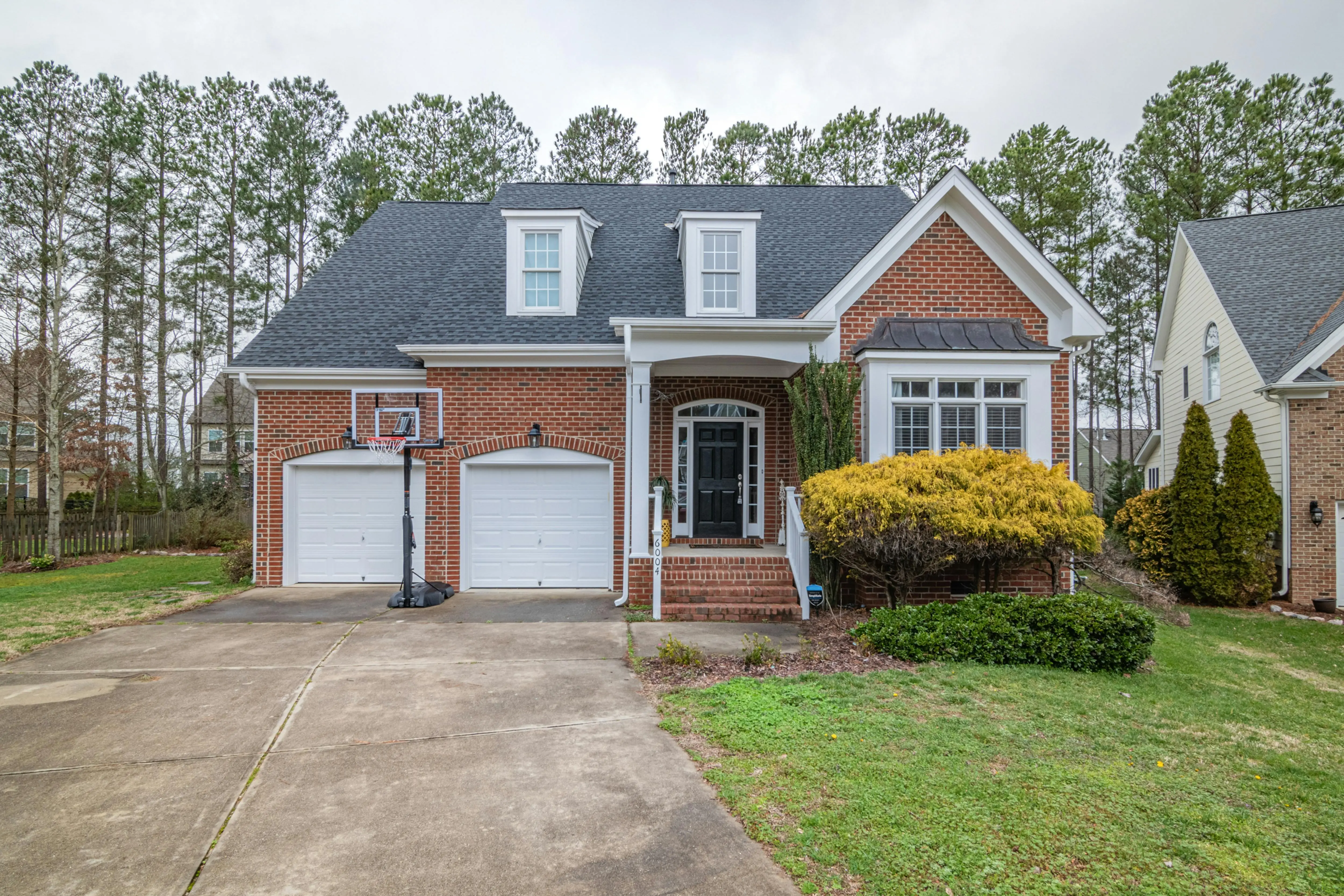
Driveway Right-of-Way and Easements: The Basics Every Homeowner Should Know
Before you widen, pave, or even park on your driveway, pause. That strip of land may not be 100 % yours. A driveway right-of-way and easements can control who drives, walks, digs, or plants on it—and who pays when the asphalt cracks. Understanding these legal lanes saves you from surprise bills, neighbor feuds, and city fines.
In plain English, a right-of-way lets others pass through your property, while an easement gives them a specific use of it. Both can live on your deed like silent back-seat drivers. Below, we break down what to look for, how to find the paperwork, and what you can (and can’t) do about it.
Five Common Types of Driveway Easements
1. Shared Driveway Easement
Two or more lots use one driveway. Maintenance costs and snow removal are typically split 50/50 unless the deed says otherwise. Record the agreement in writing; handshake deals crumble faster than old concrete.
2. Right-of-Way Over Private Land
You drive across a neighbor’s property to reach your garage. The width, surface type, and rules for overhead tree trimming should be spelled out in the easement. If they’re not, assume you’ll negotiate every pothole.
3. Municipal Utility Easement
The city can tear up your driveway to reach water or sewer lines. You can’t refuse, but you can require them to restore the surface to equal or better condition—get that promise in the work order.
4. Pedestrian Access Easement
A sidewalk or footpath cuts across your drive. You must keep it clear per local ordinance; failure to shovel snow or trim hedges can trigger fines.
5. Emergency Vehicle Easement
Fire codes may demand a 12-ft unobstructed path. Decorative boulders and gate posts can violate the code if they narrow the opening. Check with the fire marshal before you landscape.
How to Locate Your Driveway Easement on Paper and on the Ground
Step 1: Pull Your Title Commitment or Preliminary Report
Issued when you bought the house, this packet lists every easement, right-of-way, and restriction. Look for phrases like “non-exclusive easement for ingress and egress” or “20-ft strip along the south boundary.”
Step 2: Read the Plat Map
The subdivision plat shows dashed lines labeled “E” or “ROW.” Measure those widths with a tape measure outside; flags in the ground today may not match the 1973 survey.
Step 3: Order a New Survey if You’re Planning Work
Adding pavers, a gate, or a retaining wall? A licensed surveyor (≈ $400–$800) will stake the exact easement line so your contractor doesn’t pour concrete on city land.
Step 4: Check City GIS Layers
Most county websites host free interactive maps. Turn on the “utility” and “right-of-way” layers to see if a water main lurks beneath your driveway apron.
What Homeowners Can and Cannot Do Inside an Easement
✔ You Can
- Pave, stripe, and seal the surface—so long as you don’t block access.
- Install removable items (rubber parking mats, temporary basketball hoops).
- Landscape with shallow-root plants; keep root balls under 4 in. to avoid utility damage.
✖ You Cannot
- Build permanent structures: garages, fences, or brick pillars.
- Change the grade more than 6 in. without written approval from the easement holder.
- Gate or lock the driveway if the easement says “free and unobstructed access 24/7.”
Shared Driveway Etiquette: Keeping the Peace and the Pavement
Create a Maintenance Agreement
Spell out who pays, how much, and when. A simple one-page document signed and notarized prevents 90 % of disputes. Include:
- Cost-split formula (equal share or by linear foot).
- Schedule for sealcoating (every 3–5 years is typical).
- Rule on heavy vehicles (dump trucks, RVs) that accelerate cracking.
Use a Joint Bank Account or Rotating Invoice
Each neighbor deposits $200 a year; bills are paid from the pot. Apps like Splitwise track who owes what in real time.
Document Everything with Photos
Before and after shots prove the work was done and the surface was restored. Store copies in a shared Google Drive folder.
Who Pays for Repairs Inside a Driveway Right-of-Way?
Scenario A: City Water Main Break
Most municipalities will repave only the trench line. You may have to fight for a full-lane match; cite the “equal or better” restoration clause in your local code.
Scenario B: Neighbor’s Tree Roots Lift Your Half
The owner of the tree is usually liable. Send a certified letter with photos and a contractor’s quote. If they refuse, small-claims court covers up to $5,000–$10,000 in most states.
Scenario C: Normal Wear on a Shared Drive
Follow the written agreement. No agreement? Courts look at “beneficial use”: if both parties drive daily, costs are split 50/50.
Permits: When the City Needs a Say
Any work that touches the public right-of-way—even just replacing the apron where your drive meets the street—requires a permit in most cities. Fees run $50–$250 and usually demand:
- A site plan showing easement lines.
- Proof of contractor insurance.
- A bond or cash deposit to guarantee restoration.
Skip the permit and you could be ordered to rip out fresh concrete. Ask Drivewayz USA to handle the paperwork; we pull permits weekly and know the local inspectors by name.
Solving Disputes Without Court
Mediation First
A neutral mediator (≈ $100/hr split between parties) resolves 70 % of easement spats in one afternoon. Check your county bar association for certified lists.
Demand Letter Template
Keep it factual: cite the deed book page, the damage, the repair quote, and a 30-day deadline. Avoid emotional language; judges read these letters later.
Title Insurance Claims
If an undisclosed easement slashes your property value, your owner’s title policy may pay legal fees. File the claim ASAP—policies have time limits.
Smart Upgrades That Respect Easements and Add Curb Appeal
Porous Pavers in Utility Zones
These interlocking blocks let water drain and can be lifted by crews without saw-cutting concrete. Choose ASTM C936-rated stones for freeze-thaw climates.
Roll-Over Curbing
Creates a smooth transition for low cars yet satisfies fire-truck axle loads. Stamp it with brick patterns for upscale looks at half the cost of real brick.
LED Solar Edge Lights
Screw-down amber lights improve night visibility and are removable if the city needs to trench. Look for IP68 waterproof ratings.
Frequently Asked Questions About Driveway Right-of-Way and Easements
Only if the original easement document allows a gate. Most “ingress-egress” clauses require unobstructed access. You can install a removable chain or speed bump instead, but get written consent first.
Responsibility follows the maintenance clause in your easement. No clause? Courts default to mutual benefit, meaning everyone shares the cost. Rotate weeks or hire one service and split the bill.
Yes. You’re entitled to “just compensation” for the land and any improvements (pavement, lights, landscaping). Hire your own appraiser if the city’s offer feels low; initial offers often rise 20–30 % after negotiation.
File a claim against your owner’s title insurance policy immediately. Provide the unrecorded agreement, your deed, and a letter from an attorney explaining the value loss. Most insurers respond within 30 days and will either negotiate a settlement or defend your title in court.