
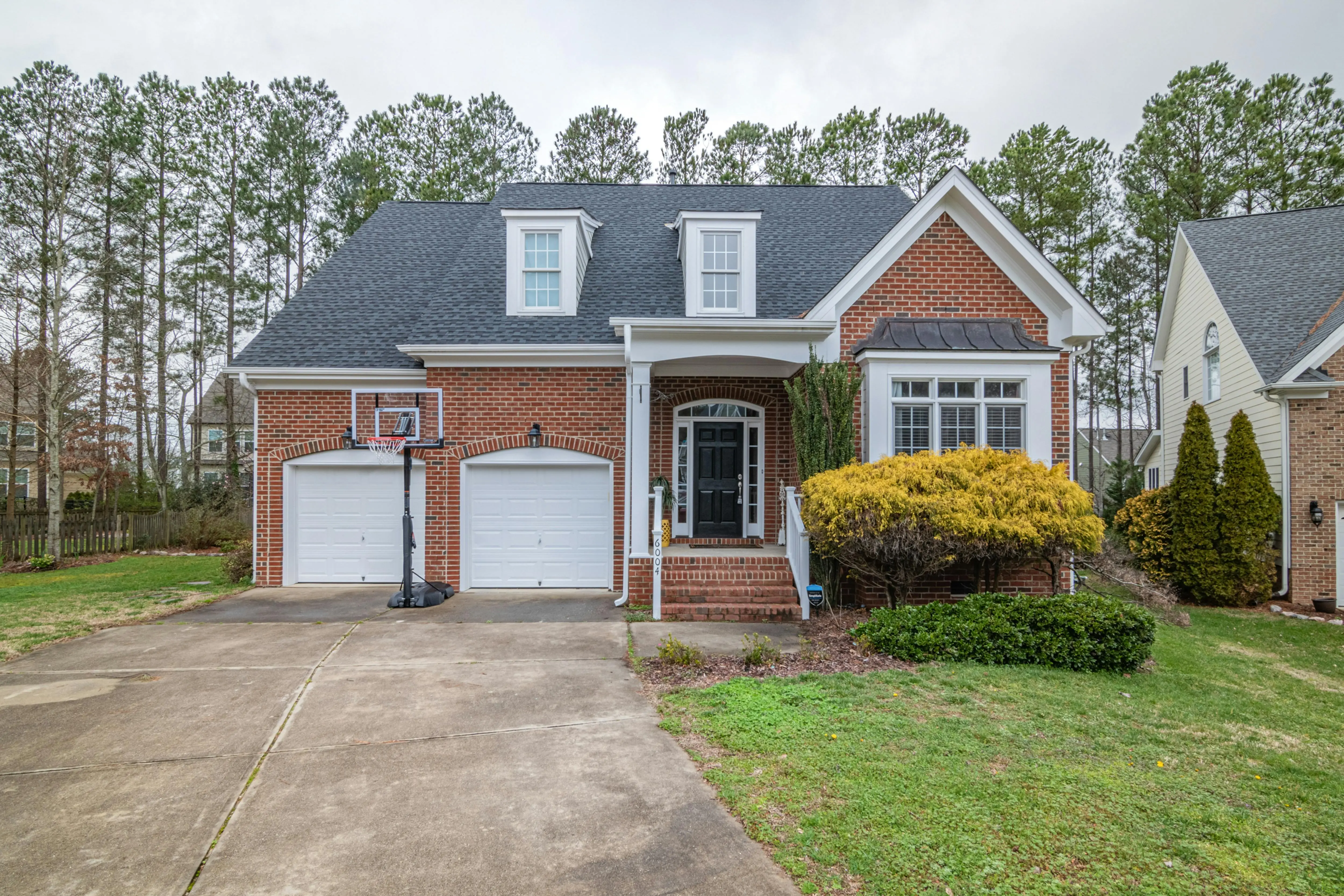
Driveway Return on Investment by Neighborhood Type: The Big Picture
A new driveway can recoup 50–100 % of its cost at resale, but the exact number depends on where you live. Upscale suburbs, starter-home tracts, historic districts, and rural acreages each have different buyer expectations, price ceilings, and “must-have” features. Understanding these nuances is the fastest way to maximize your driveway return on investment by neighborhood type.
Below, we break down the four most common neighborhood profiles in the U.S., show you what buyers expect to see at the curb, and give you hard numbers you can take to the bank.
Why Neighborhood Type Drives ROI More Than Materials
Appraisers use “comparable sales” to set value. If every recent sale on your street has a paved driveway and you still have gravel, the adjustment can lop $5 000–$15 000 off your appraisal—no matter how nice the gravel looks. Conversely, over-improving with heated pavers in a modest subdivision may add curb appeal but rarely adds dollars at closing.
- Buyer pool expectations
- Local parking ordinances (HOA or city)
- Typical lot size and frontage
- Climate-related wear patterns
- Streetscape consistency
Match your driveway upgrade to the neighborhood sweet spot and you’ll pocket the highest percentage of the cost when you sell.
Upscale Suburbs: Paving the Path to Premium Returns
Think gated communities, HOA-controlled subdivisions, and zip codes where home prices sit in the top 20 % for your metro. Here, buyers expect a finished driveway that complements high-end landscaping and two- or three-car garages.
Winning Materials & Design
- Decorative concrete: Stamped ashlar or herringbone patterns cost 30–40 % more than plain pour but return 90–100 % at resale.
- Clay brick pavers: Classic, timeless, and HOA-approved in most luxury districts; expect $14–$18 per sq ft installed.
- Cobblestone accents: A 12-inch granite cobble apron signals “estate” without repaving the entire drive.
ROI Snapshot
| Project | Typical Cost (1 000 sq ft) | Estimated Value at Sale | ROI % |
|---|---|---|---|
| Plain concrete tear-out & replace | $6 000 | $5 500 | 92 % |
| Stamped colored concrete | $9 500 | $9 750 | 103 % |
| Clay brick pavers | $15 000 | $17 000 | 113 % |
Pro Tips for Maximum Payback
- Choose a pattern already used on neighboring homes—appraisers love consistency.
- Add 2-foot ribbon borders in a contrasting color; cost is minimal, perceived value is high.
- Seal every two years and keep HOA compliance letters—buyers will ask.
Starter-Home Tracts: Function First, Flash Later
In neighborhoods where homes sell between $150 000–$300 000, buyers pinch pennies. A cracked, weed-filled driveway is a red flag, but gold-leaf pavers won’t raise appraisal one dime.
Best Bang-for-Buck Upgrades
- Asphalt overlay: $2–$3 per sq ft if the base is sound; looks brand-new and lasts 12–15 years.
- Concrete patch & resurface: Micro-topping at $1.50 per sq ft hides spalling and stains.
- Edge restraint & joint seal: $300 total; prevents future cracks and signals “well-maintained.”
ROI Snapshot
Asphalt resurfacing on a 600 sq ft single-car drive:
- Cost: $1 800
- Value added: $3 000 (buyer’s perceived savings on future repairs)
- ROI: 167 %
Starter-Home Success Checklist
- Get three quotes; under $3 000 total keeps you in the “recoverable” zone.
- Stick to neutral gray or black; bold colors scare conservative first-time buyers.
- Document before-and-after photos for your realtor’s marketing packet.
Historic Districts: Charm Pays—If You Follow the Rules
Local preservation boards often dictate color, material, even mortar joints. Do it wrong and you’ll tear it out. Do it right and buyers pay a 5–10 % historic premium.
Permit-Proof Materials
- Reclaimed brick or granite block
- Penetrating silane/siloxane sealer (matte finish, no gloss)
- Compacted gravel apron where original carriage drives had them
ROI Reality
Historic buyers value authenticity over bling. A $20 000 heritage-grade cobblestone job can add $25 000–$30 000 to a $700 000 home—still inside the 102–135 % ROI window—because there are few substitutes that pass review.
Money-Saving Workarounds
- Reuse original bricks lifted from your own yard; labor is cheaper than new material.
- Combine asphalt in the rear parking court with brick at the public frontage to cut cost 30 %.
- Schedule work in the off-season (late winter); preservation contractors offer 10–15 % discounts.
Rural & Acreage Properties: Gravel Can Be Gold
Half-mile drives make concrete or asphalt prohibitively expensive. Here, drainage and dust control matter more than curb sparkle.
High-ROI Upgrades
- Geo-textile fabric + ¾-inch crushed limestone: Prevents ruts for 8–10 years.
- Crown grading: 2 % slope to the sides eliminates ponding.
- Chip seal top coat: $1.25 per sq ft, adds asphalt-like hardness without full pavement cost.
ROI Snapshot
1 500 ft long x 10 ft wide farm lane:
- Cost (chip seal): $18 750
- Value added: $25 000 (buyer’s estimate to rebuild)
- ROI: 133 %
When to Pave Anyway
- If comparable ranches within 2 miles have asphalt, yours should too.
- Homes over $750 k in rural markets often attract city buyers who fear “gravel upkeep.”
- Heavily sloped drives: paving reduces winter maintenance liability.
Climate & Soil: The Hidden ROI Killers
Freeze-thaw cycles, expansive clay, or coastal salt spray can erase a 100 % ROI in five years if you choose the wrong specification.
Regional Quick-Guide
- Frost-heave zones (Upper Midwest, Northeast): 6-inch reinforced concrete with 18-inch gravel base; contraction joints every 10 ft.
- Expansive clay (Texas, Colorado): Post-tensioned concrete or asphalt with geogrid; budget 15 % more upfront, save 40 % on crack repairs later.
- Sunny Southeast: UV-stable acrylic sealers every 3 years prevent color fade and maintain “like-new” sale appeal.
Timing Your Install for Maximum Sale Impact
A driveway installed the month before listing photographs is marketing gold; one installed five years earlier needs a fresh seal coat and power-wash to shine.
Best Practice Timeline
- 6 months out: Get quotes, pull permits, finalize design.
- 3–4 months out: Schedule install (concrete needs 28-day cure before heavy use, asphalt 3–7 days).
- 2 weeks out: Apply final seal, repaint edge lines, add landscape lighting for night photos.
Frequently Asked Questions
Both. Appraisers use paired sales: if three nearby homes with paved drives sold for $8 k more than similar homes with cracked drives, they’ll credit you the same amount. A fresh driveway also boosts “effective age,” pushing your home to the upper end of the price range, often shaving weeks off market time.
Up-front, yes—about 40 % less. But concrete can last twice as long. In starter tracts where buyers plan to stay 5–7 years, asphalt’s lower price point yields the higher ROI because they value immediate savings over life-cycle cost.
In upscale suburbs and historic districts, absolutely. HOAs can place liens on your property until you restore compliance. Always submit material samples and color swatches for written approval before work begins.
Yes—if neighborhood comps show that most homes have dual-width drives. The cost to add 200 sq ft of asphalt ($600–$800) can swing a $10 k appraisal bump because buyers equate width with “functional garage.”