
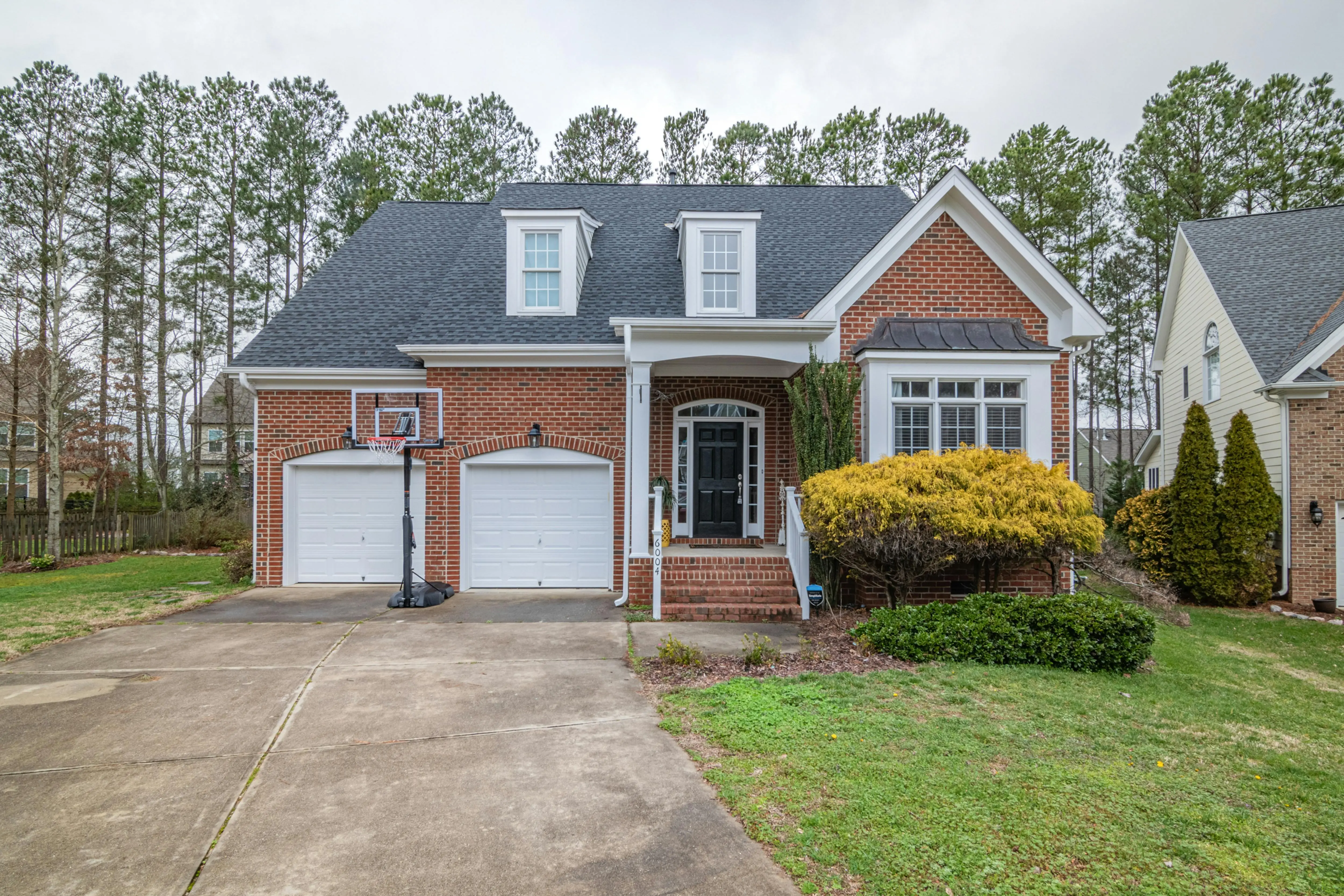
Why Universities Are Studying Your Driveway
Every morning you back over the same slab of concrete without realizing it is a living laboratory. Across North America, engineering schools have turned driveways into testbeds for stronger, cooler, quieter and even carbon-eating pavements. The reason is simple: residential driveways outnumber federal highways by 15 to 1, yet they are the least-studied piece of infrastructure. What researchers learn on your 600-square-foot pad today will shape municipal roads, airport runways and parking lots tomorrow.
For homeowners, following Driveway Research and Development means you can adopt proven technologies years before they reach the mainstream market—often at a discount while local contractors are still “learning the ropes.” This guide translates the latest university findings into plain language and tells you exactly how to take advantage of them.
5 Landmark University Studies Every Homeowner Should Know
MIT – Carbon-Infused Concrete (2021–2023)
MIT’s Concrete Sustainability Hub injected recycled carbon dioxide into standard ready-mix. The result: 18 % faster strength gain and 20 % lower global-warming potential. Residential test plots in Cambridge showed no surface scaling after 100 freeze-thaw cycles.
Take-home tip: Ask your ready-mix supplier for “CO₂-mineralized” concrete. Brand names vary (CarbonCure, Solidia), but if the plant is within 50 mi of Boston, Hartford or Albany, you can get it for the same price as standard 4,000-psi mix.
University of Central Florida – CoolPave Coating (2022)
UCF’s Engineering Department formulated a clear nano-ceramic seal that reflects 35 % of solar heat while maintaining a matte finish. On a 95 °F afternoon, coated asphalt driveways stayed 14 °F cooler than untreated neighbors, cutting surface rutting by half.
Take-home tip: The coating is sold under license as “CoolSeal Central.” One 5-gallon pail covers 250 sq ft and costs $95—about 30 % more than big-box sealers, but you eliminate the “hot feet” problem around pool decks and protect against Florida’s summer softening.
University of Toronto – Porous Paver Freeze-Thaw Durability (2019–2022)
Researchers compared six permeable systems through 378 freeze-thaw cycles. Plastic grid systems filled with limestone chips lost 28 % of their permeability, while permeable interlocking concrete pavers (PICP) lost only 7 % and carried a 35-year life-cycle cost advantage.
Take-home tip: If you live north of I-70, insist on PICP rather than “grass-pave” grids. Ask contractor for a 4-inch bedding layer of ASTM No. 8 stone and a 6-inch open-graded base—exactly what the U of T protocol validated.
Texas A&M – Quiet Aggregate Mix (2020)
Acoustic engineers blended 15 % recycled rubber into exposed-aggregate concrete. Tire squeal dropped 4 decibels—enough to keep neighborhood noise ordinances happy.
Take-home tip: For exposed-pebble driveways, request “rubberized chip mix.” It costs an extra $1.20 per sq ft but delivers slip resistance plus sound dampening—ideal for sloped drives near bedrooms.
Arizona State – Heat-Island Mitigation (2018–2021)
ASU tested 12 reflective coatings on both concrete and asphalt. The star performer: a white elastomeric membrane with ceramic microspheres, lowering ambient summer temperature by 5.4 °F.
Take-home tip: Elastomeric membranes aren’t just for flat roofs. A 40-mil product called “CoolDeck” can be roller-applied to stamped concrete. Expect a 10-year warranty and a 12 % cooling-energy savings for adjacent garage interiors.
How Universities Test Driveways (And How You Can Copy Them)
Accelerated Weather Chambers
Small 12"×12" slabs are subjected to 300 freeze-thaw cycles in 30 days. Sensors measure micro-cracking with acoustic emission technology. Homeowner hack: Before you hire a contractor, ask for a 12" sample slab left on site for one winter. Photograph it monthly; if it spalls, renegotiate warranty terms.
Load Simulation
Universities use pneumatic rams to mimic 20 years of garbage-truck traffic in two weeks. The best performers show less than 0.25-inch rut depth. Ask your installer if their mix design meets “Class 5 industrial” per ACI 330; if so, it passed similar rutting tests.
Permeameter Testing
A simple 6-inch diameter ring is sealed to the surface and flooded. The rate at which water disappears must exceed 1 inch per minute for LEED credit. DIY version: Place a 6-inch PVC pipe on your new permeable drive, fill with 3 inches of water. If it drains in under 3 minutes, you’re good.
Emerging Technologies You Can Spec Today
Self-Healing Concrete with Shape-Memory Polymer Fibers
University of Wisconsin-Madison embeds 0.5 % nickel-titanium fibers that shrink when heated, closing 0.3-mm cracks. Induction coils mounted under the bumper of a maintenance truck can “heal” the surface in 10 minutes. Pilot price: +$2.50 sq ft. Good for high-end circular drives where replacement access is tricky.
Phase-Change Aggregate
Missouri S&T impregnates expanded shale with paraffin wax micro-capsules. The wax melts at 82 °F, absorbing heat and delaying peak surface temperature by three hours. Expect a 2025 rollout through Shoreline Aggregate; pre-order lists are open.
Biochar-Infused Asphalt
Washington State University replaces 5 % of fine aggregate with biochar. The driveway sequesters 1.8 tons of CO₂ per 1,000 sq ft while boosting rut resistance 8 %. Local pilot projects in Spokane sold out in 48 hours; ask your asphalt plant for “WSU Carbon Black” mix.
Cost vs. Value: What You’ll Pay for R&D Upgrades
| Technology | Typical Up-charge per Sq Ft | Additional Life Years* | Net Present Value @ 4 % |
|---|---|---|---|
| CO₂-Mineralized Concrete | $0.25 | +5 | +$2.10 |
| CoolPave Coating | $0.38 | +3 | +$1.20 |
| Self-Healing Fibers | $2.50 | +15 | +$4.90 |
| PICP w/ Freeze-Thaw Base | $1.75 | +10 | +$3.40 |
*Compared to standard 4,000-psi broom-finish concrete or 9.5-mm asphalt. NPV calculated over 30 years.
Rule of thumb: If the up-charge is under $1 sq ft and adds ≥5 years of life, the upgrade pays for itself the day the truck leaves.
How to Vet a Contractor with University Data
Ask for Mix Design Sheets, Not Just Brochures
Respectable suppliers attach a “University Benchmark” line showing how their mix compares to the MIT or U of T study. If they can’t produce it, move on.
Request Access to Pilot Programs
Universities often subsidize 10 % of material cost to gather field data. Your contractor should know if your county is a testbed. Example: The Colorado School of Mines is recruiting 50 homes for magnesium-phosphate concrete; participants save $1.80 sq ft.
Negotiate Warranty Clauses Tied to Test Results
Insert language: “Surface scaling shall not exceed ASTM C672 rating of 2 after 50 cycles.” Contractors familiar with university protocols won’t flinch.
Maintenance Tips Backed by Peer-Reviewed Data
Seal-Coat Frequency: Every 3 Years, Not 2
UCF’s cool-coat study shows resealing every 36 months maintains 90 % solar reflectance. Annual sealing actually creates surface tension cracks.
De-Iicer Restriction: Use Calcium Magnesium Acetate (CMA)
University of Toronto found that CMA causes 70 % less mass loss than rock salt on permeable pavers. Budget $25 per 50 ft driveway per winter—cheap insurance.
Pressure-Wash at 2,000 PSI, 30° Tip, 12" Distance
ASU’s surface reflectance lab validated these settings for coated drives. Higher pressure strips the ceramic spheres; lower leaves tire residue that absorbs heat.
Future Outlook: What’s Next in Driveway R&D
By 2027, expect commercial rollout of:
- Electrified heated driveways using 24 V carbon-fiber mesh (University of Nebraska, 40 % lower energy than glycol loops).
- “Living” concrete that uses limestone-producing bacteria to fill 0.8-mm cracks every rainy season (Delft University licence held by Basilisk USA).
- Color-shifting recycled glass aggregate that darkens in winter to absorb heat and lightens in summer to reflect it (University of British Columbia, pilot 2024).
Homeowners who join extension-service newsletters often get first access to pilot programs and material rebates.
Frequently Asked Questions
In most jurisdictions, experimental concrete or asphalt mixes that meet ASTM structural standards do not require additional permits. However, if you live in an HOA, check architectural guidelines; some restrict surface color or reflectivity. University pilots supply third-party data sheets you can submit to speed approval.
Assessors typically increase valuations only for square footage additions, not surface upgrades. A 2022 survey by the National Association of Counties found only 7 % of assessors track premium pavement. Keep before-and-after photos; if questioned, note that the upgrade extends life rather than adds new area.
Start with your state’s Ready-Mix Concrete Association website; most list “sustainable” or “low-carbon” certified suppliers. Ask for a project reference that includes a university test report. If the supplier can email you a mix design with a school letterhead, you’re in the right hands.
Yes, but they change yearly. Los Angeles offers $1 per sq ft for cool pavement, Chicago gives $1.25 for permeable pavers, and Colorado provides a state tax credit worth 10 % of material cost for carbon-sequestering concrete. Check DSIREusa.org and your city’s storm-water utility; pilots often stack university rebates with municipal incentives.